
Radiotherapy synergizes with an inducible AAV-based immunotherapy platform to program local and systemic antitumor immunity
Apr 3, 2026
The 2026 Cancer Cell paper by Marco, S., et al researches radiotherapy synergizes with an inducible AAV-based immunotherapy platform to program local and systemic antitumor immunity.
Introduction
Radiotherapy (RT) can prime the immune system against cancer but often fails to generate effective antitumor responses due to concomitant induction of immunosuppressive factors. To overcome this limitation, we built upon the observation that RT enhances adeno-associated vectors (AAVs) tumor transduction through the epigenetic modification of vector episomes. We designed an AAV-based platform to deliver immunostimulatory cytokines through an interferon (IFN)-inducible promoter that allows for spatial control of transgene expression into irradiated tumors. As opposed to a constitutive system, local delivery of a vector encoding for inducible IL-12 (AAV-iIL12) achieves an efficient production of the cytokine without significant toxicity. Combination of RT and AAV-iIL12 generates a highly immunostimulatory tumor microenvironment (TME) leading to robust local and systemic antitumor responses in an IFNγ- and FAS-dependent manner, able to overcome common immune-evasion mechanisms. Our work shows that radiation coupled with AAV-based immune-gene delivery is an efffcient and safe approach to treat cancer
Finding Highlights
- RT enhances AAV-mediated transduction via epigenetic remodeling of the AAV episome.
- IFN-inducible AAV system allows spatial control of cytokine expression.
- Local RT+AAV-iIL12 safely triggers local and systemic antitumor immunity.
- Combination therapy overcomes common immune-evasion mechanisms.
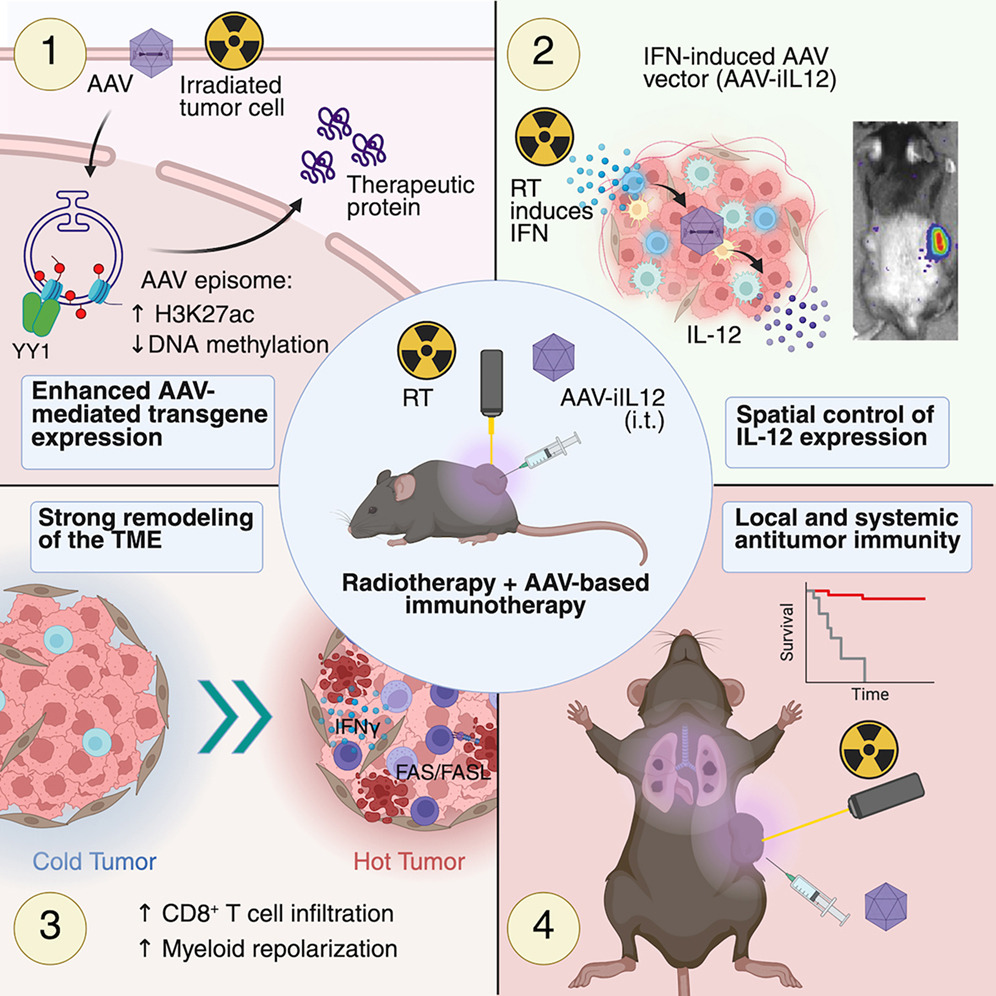
Key Results and Figure Interpretatio
- RT enhances AAV-mediated tumor transduction both in vitro and in vivo (Fig.1).
Tumor cells were irradiated (8Gy) immediately before transduction with an AAV vector (AAV8 serotype) encoding the fluorescent protein GFP under the control of the constitutive promoter CAG (AAV-cGFP). The percentage of GFP-expressing cells was consistently higher in the irradiated condition in both mouse and human cell lines (Figures 1A, 1B). Moreover, the level of expression of GFP per cell was significantly higher among transduced cells in the irradiated conditions (Figures 1C). This phenomenon was observed in a dose-dependent manner, as increasing RT doses correlated with higher levels of GFP expression (Figures 1D). The effect of IR on transgene expression was maintained for at least one hour but progressively decreased thereafter when AAV addition was delayed after RT (Figure 1E).
Of note, cell irradiation enhanced AAV-mediated transduction but had no effect on expression from non-viral vectors such as mRNA lipid nanoparticles (Figure 1F), consistent with a specific impact on AAV biology. We did not observe differences in copy numbers of vector genomes (vg) between conditions (Figure 1G), suggesting that RT enhanced transgene expression without altering the entrance of the vector into the cell. Moreover, radiation promoted the binding of YY1 to the vector genome (Figures 1J). YY1 is a transcription factor and chromatin organizer with a wide range of functionalities 45 that can regulate gene expression through direct interaction with p300/CBP, among others. Mutation of two single nucleotides in the YY1-binding motif reduced the effects of RT on AAV transduction (Figure 1K). Collectively, these findings indicate that epigenetic modification and YY1 recruitment are key mechanisms underlying the stimulatory effect of RT on AAV-mediated transduction.
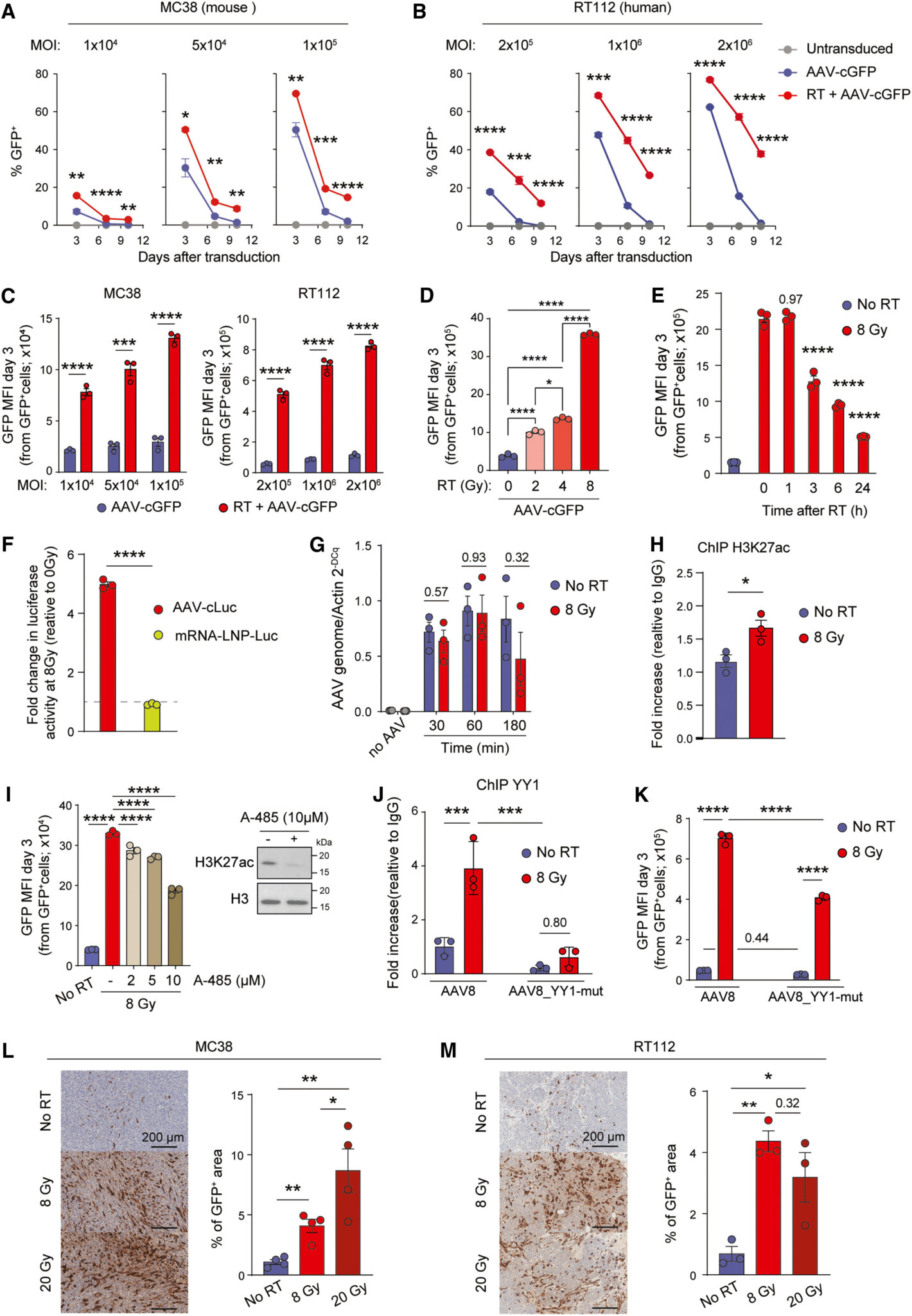
Figure 1. Radiotherapy enhances AAV-mediated tumor transduction both in vitro and in vivo.
- Design of an AAV vector enabling spatial control of transgene expression in irradiated tumors (Fig.2).
We then designed a vector that leverages the ability of IR to enhance AAV-mediated tumor transduction to develop an AAV-based immuno-gene therapy for cancer (Figure 2A). Transgene expression was spatially controlled with an inducible promoter containing IFN-stimulated response elements (ISREs) as IR causes the production of type-I IFN through the cGAS-STING pathway. stimulation with IFNs caused a marked induction of transgene expression in irradiated cells. As expected, the addition of IFN had no effect on cells transduced with AAV-cLuc (Figure 2B). In vivo BLI analysis showed that the local injection of AAV-iLuc into irradiated nodules restricted luciferase expression to the tumor tissue. Conversely, in mice inoculated i.t. with AAV-cLuc, the transgene was expressed in the irradiated tumor but also systemically (Figure 2C). As shown in previous experiments, RT enhanced the transduction of tumors inoculated with AAV-iLuc or AAViGFP (Figures 2D and S4A). Importantly, experiments in mice with two tumors, of which only one received RT, showed that the expression of the transgene was restricted to the irradiated tumor even when AAV-iLuc was given intravenously (Figure 2E). Of note, local injection of AAV-iLuc into irradiated tumors resulted in prolonged transgene expression with increasing levels of luciferase activity during the entire study period (Figure 2F). On the other hand, in the bilateral tumor system, we did not observe luciferase expression in the left tumor treated with RT 3 days after AAV-iLuc injection into the irradiated right tumor, confirming the restricted spatial control achieved with our system (Figure 2F).
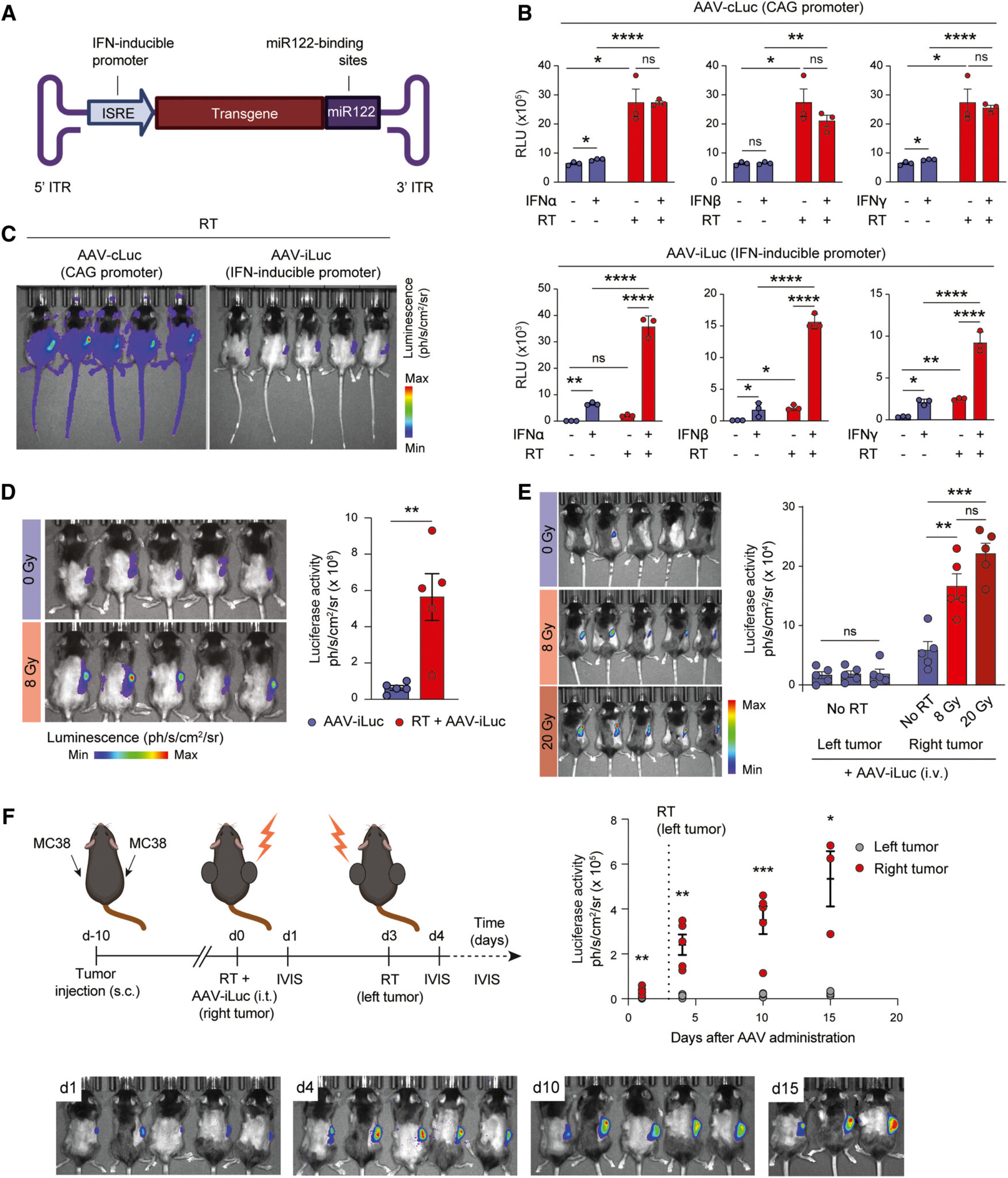
Figure 2. IFN-inducible AAV vector system enables selective transgene expression in irradiated tumors
- Integration of RT with an AAV-based cytokine delivery for cancer immunotherapy (Fig.3).
We generated vectors encoding for single-chain IL12p70 (AAV-iIL12), IL-15 and IL-15Rα (AAV-iIL15), FLT3L (AAViFLT3L), and a bicistronic construct containing sequences for both IL-12 and IL-15/IL-15Rα separated by a self-cleaving peptide P2A in a single expression cassette (AAV-iIL12-P2A-IL15) (Figure 3A). In all cases, cytokine expression was significantly enhanced by RT both in vitro and in vivo (Figures 3B and 3C). To demonstrate the biological activity of AAV-based cytokine delivery, we analyzed changes within the TME. AAV-mediated expression of IL-12, IL15/IL-15Rα, or FLT3L in irradiated tumors increased infiltration of CD8+ T cells, NK, and dendritic cells (DCs), respectively (Figure 3D). Expression of IL-15/IL-15Rα or FLT3L in combination with RT had no impact on tumor growth (Figure 3E). Conversely, both IL12-encoding vectors induced a marked antitumor control and were well tolerated (Figures 3E and S4C). Importantly, while the inducible expression of IL-12 maintained a long-term antitumor efficacy without evident signs of toxicity, constitutive expression of IL-12 under the control of the CAG promoter (AAV-cIL12) caused a dramatic weight loss in treated animals (Figures 3F and 3G). Finally, the measurement of local and systemic IL-12 confirmed that AAV-iIL12 exhibited a highly selective local expression compared to AAV-cIL12 (Figure 3H). Altogether, these findings demonstrate that AAV containing an IFN-inducible promoter achieves spatial control of transgene expression into irradiated tumors and can be exploited as an efficient immuno-gene therapy for cancer.
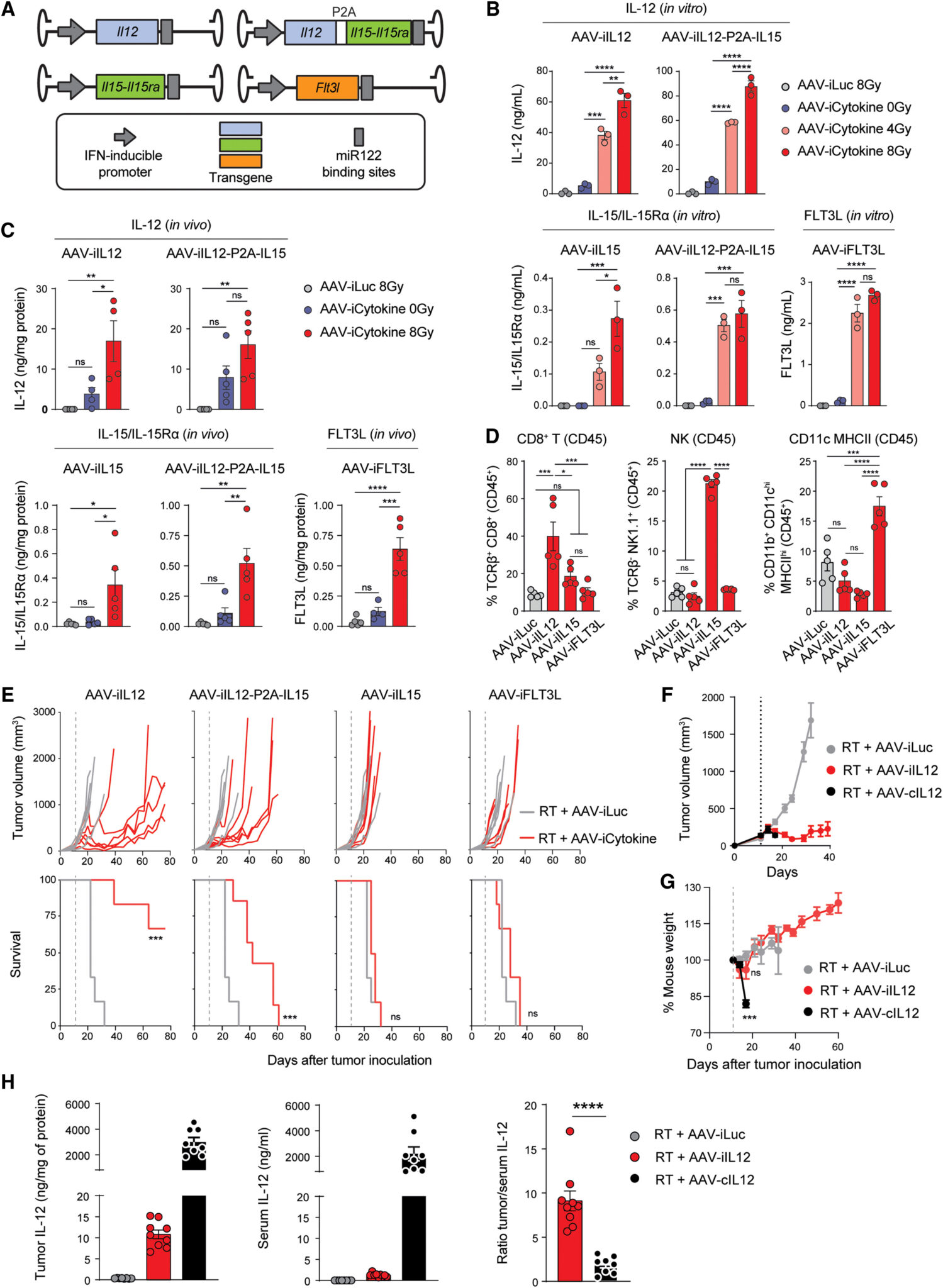
Figure 3. Integration of RT with an AAV-based cytokine delivery for cancer immunotherapy
- Combination of RT and AAV-based IL-12 delivery eradicates tumors without systemic toxicity. (Fig.4).
RT in combination with a control AAV (AAV-iLuc) had minimal effects in MC38 (colorectal carcinoma), B16 (melanoma), LLC (lung adenocarcinoma), MB49 (bladder cancer), and KPC (pancreatic cancer) tumor-bearing animals (Figures 4A–4D). Local injection of AAV-iIL12 into non-irradiated tumors showed a significant reduction of tumor growth in all tumor models, although it led to complete tumor rejection in only a small fraction of the animals. However, administration of AAV-iIL12 into irradiated tumors resulted in complete tumor clearance in all MC38 tumor-bearing mice, ∼80% of the animals in KPC and MB49 models, and 33% in the aggressive LLC lung adenocarcinoma model. In the B16 melanoma model, although no tumor rejection was achieved at these doses, RT+ AAV-iIL12 induced a robust tumor growth inhibition and a significant increase in overall survival (Figures 4B). Moreover, local administration of AAV-iIL12 after RT significantly increased the survival of treated mice in an orthotopic model of glioblastoma (Figure 4E). Finally, we tested a human version of the vector (AAV-ihIL12) in MHC-I and MHC-II double KO NSG (MHC-dKO NSG) mice reconstituted with human PBMCs. Intratumor injection of AAV-ihIL12 in irradiated tumors achieved superior antitumor responses compared to control AAV in RT122-bearing humanized mice (Figure 4F). As expected, the antitumor effects of RT+ AAV-iIL12 were dependent on the immune system (Figure 4G) and were able to generate immune memory (Figure S5I). The antitumor responses correlated with the local production of IL-12, which peaked at day 3 after treatment and remained detectable at least one week after treatment (Figure 4H). Importantly, elevated intratumoral levels of IL-12 were accompanied by low serum levels that declined to near basal levels over time (Figure 4I). Collectively, these data demonstrate that the combination of RT with AAV-mediated inducible delivery of IL-12 is a safe strategy able to activate potent antitumor immunity in a variety of preclinical tumor models
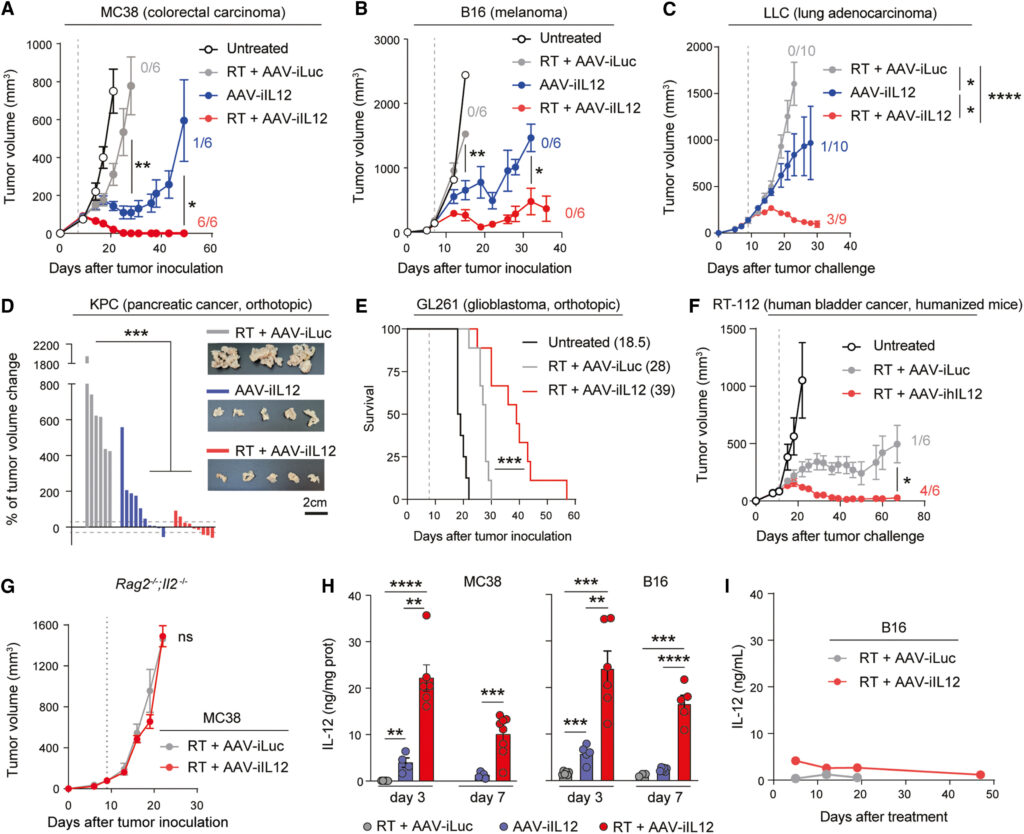
Figure 4. Therapeutic efficacy of local RT and AAV-iIL12 across multiple tumor models
- Combination of RT and AAV-iIL12 reshapes the immune composition of the TME(Fig.5)
Single-cell RNA-seq (scRNA-seq) of tumor-infiltrating CD45+ immune cells confirmed the rewiring of the TME with a strong repolarization of the myeloid compartment in tumors treated with AAV-iIL12 (Figures 5A and 5B). AAV based delivery of IL-12 altered the phenotype and proportions of myeloid subsets, with higher frequencies in pro-inflammatory monocytes and Cxcl10+ Isg15+ Inf-Mac (classically referred to as ‘‘M1’’ phenotype) and decreased the presence of suppressive populations such as myeloid-derived suppressor cells (MDSCs) or Arg1+ Spp1+ Supp-Mac (associated with ‘‘M2’’ phenotype) (Figures 5A and 5B). Gene set enrichment analysis (GSEA) performed in the bulk myeloid populations showed enhanced expression of hallmarks associated with response to type I and II IFNs, suggesting a role of these cytokines in the shift observed in AAV-iIL12-treated tumors (Figure 5C). In addition, treatment with AAV-iIL12 increased the migration of DC from tumors to tumor-draining lymph nodes (Figures 5A, 5B, and S7C). We identified several subpopulations of T and NK cells, including six distinct subsets of CD8+ T cells representing a range of phenotypes from resting to exhausted (Figures 5D and S7D). A comparison between the two treatment conditions revealed higher proportions of proliferative (Mki67+ ), effector (Ifng+ , Gzmb+ , and Prf1+ ) and stem-like exhausted CD8+ T cells (Tcf1+ , Pdcd1+ ) accompanied by fewer resting (Sell+ and Tcf7+ ) and terminally exhausted (Tox+ , Pdcd1+ , and Havcr2+ ) CD8+ T cells in the RT+ AAV-iIL12-treated condition (Figures 5D, 5E, and S7D). Additionally, NK cells from tumors treated with RT + AAV-iIL12 exhibited proliferative and effector phenotypes in sharp contrast with the resting phenotype observed in NK from control tumors (Figures 5D, 5E, and S7D). Moreover, the combined expression score for gene sets of effector signature, cytolytic activity, and IFN response on T and NK clusters was significantly increased in the AAV-iIL12- treated condition (Figure 5F).
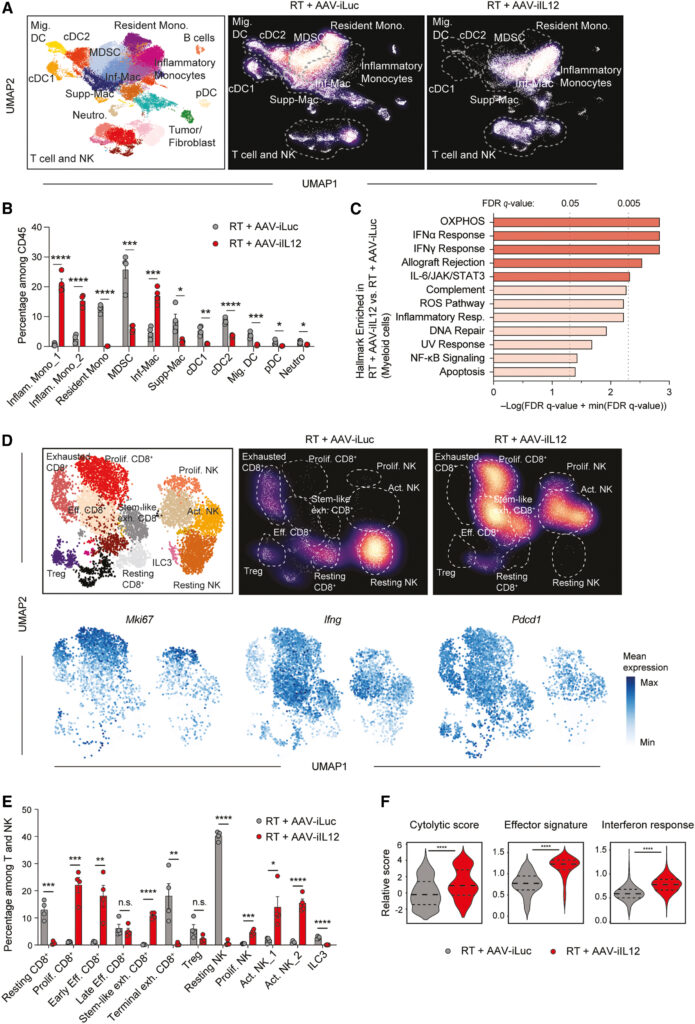
Figure 5. Combination of RT and AAV-iIL12 promotes an intense rewiring of the tumor microenvironment
- The antitumor effect of RT and AAV-iIL12 is IFNγ-dependent and FAS-mediated (Fig.6)
Even upon RT, B16 tumors showed negligible CD8+ T cell infiltration (Figure 6A). However, local administration of AAV-iIL12 triggered a strong recruitment of CD8+ T cells within the tumors, being significantly higher in tumors receiving AAV-iIL12 after radiation (Figure 6A). However, treatment with RT + AAV-iIL12 triggered the expression of IFNγ together with TNFα, GM-CSF, and IFN-inducible chemokines such as CXCL10 and CXCL16 (Figure 6B). This surge in pro-inflammatory cytokines aligned with the strong CD8+ T cell infiltration observed in treated tumors. Despite the dense T cell infiltration observed upon treatment, depletion with CD8β-targeting antibodies did not abrogate the therapeutic activity of the combination treatment with RT+ AAV-iIL12 (Figure 6C). Similar antitumor responses were observed in NK-depleted animals. Consistent with the antitumor responses observed in the absence of CD8+ T cells, the combination of RT with AAV-iIL12 elicited tumor regression in Batf3-deficient mice (Figure 6D). Accordingly, Prf1−/− mice displayed similar antitumor responses compared to C57BL/6 mice (Figure 6E), suggesting that direct anti-tumor cell cytotoxicity is dispensable for the therapeutic effect of RT+AAV–iIL12. Indeed, the blockade of IFNγ completely abolished the antitumor responses prompted by RT and local delivery of AAV-iIL12 (Figure 6F). Despite the strong IFN-sensing signature observed in the tumor cells, the antitumor effects of the RT + AAV-iIL12 remained intact in mice bearing Ifngr1-and Jak1-null B16 tumors (Figure 6G).
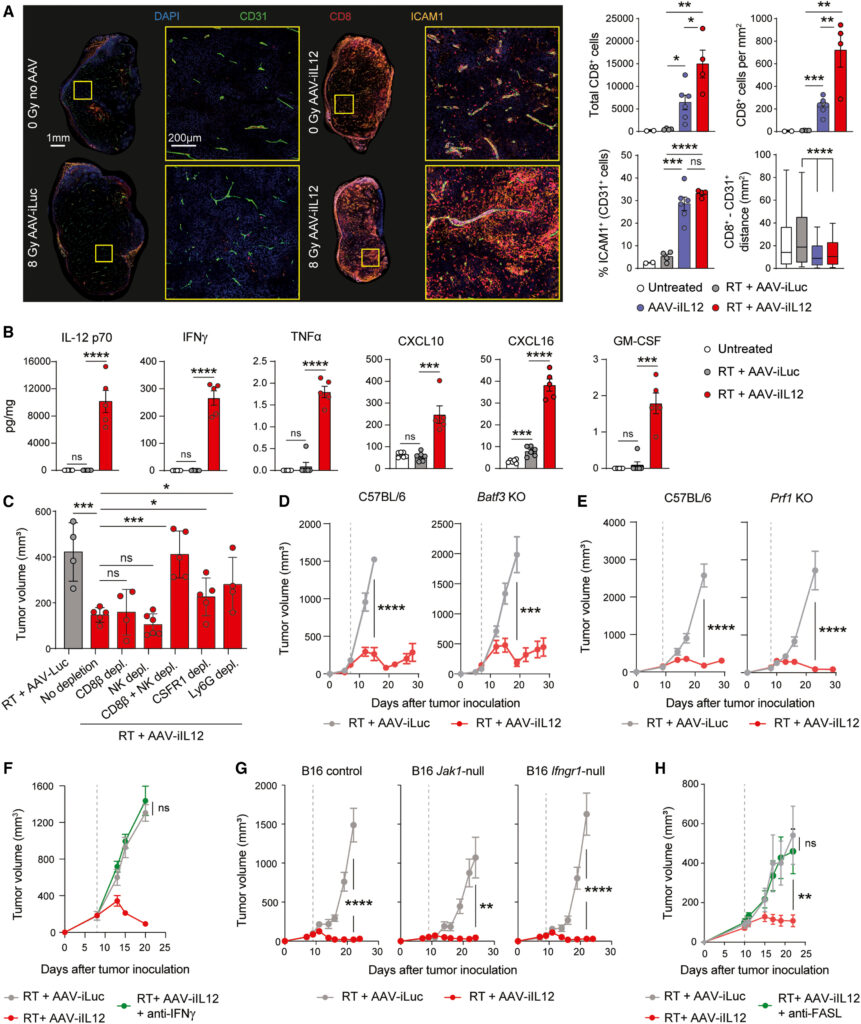
Figure 6. The therapeutic effect of RT and AAV-iIL12 is IFNγ-dependent and FAS-mediated
- Local treatment with RT and AAV-iIL12 achieves systemic antitumor immunity (Fig.7)
We next asked whether the activation of local antitumor responses with RT+AAV-iIL12 therapy could lead to systemic immunity. For that, MC38 or B16 tumors were inoculated on both flanks of the mice. Right tumors treated with RT and AAV-iIL12 responded to the therapy as observed before (Figures 7A and 7B). Although the combination reduced the growth of untreated contralateral tumors, the antitumor activity of RT and AAV-iIL12 was augmented by concomitant radiation of distant tumor nodules (Figures 7B). Multiparametric immunofluorescence performed in contralateral tumors (+/− RT but no AAV) revealed an 8-fold increase in CD8+ T cell density in animals treated with AAV-iIL12 vector (Figures 7C and 7D). Notably, radiation of contralateral tumors not only increased CD8 + T cell numbers but also increased Granzyme B (GzB) expression in tumor-infiltrating cytotoxic T cells (Figure 7E). Finally, we established a lung metastasis model with luciferase expressing B16 cells (B16-Luc cells) that were injected intravenously three days after subcutaneous inoculation of parental B16 cells as primary tumors (Figure 7F). The treatment of primary tumors with RT and AAV-iIL12 induced potent antitumor responses in both treated tumors and lungs, where no tumor activity was detected, becoming long-term survivors (Figures 7F and S9E). Taken together, these data indicate that local treatment with RT and AAV-iIL12 not only induces the regression of the treated tumor but also triggers systemic immunity that can be amplified by concomitant RT to enhance antitumor responses.
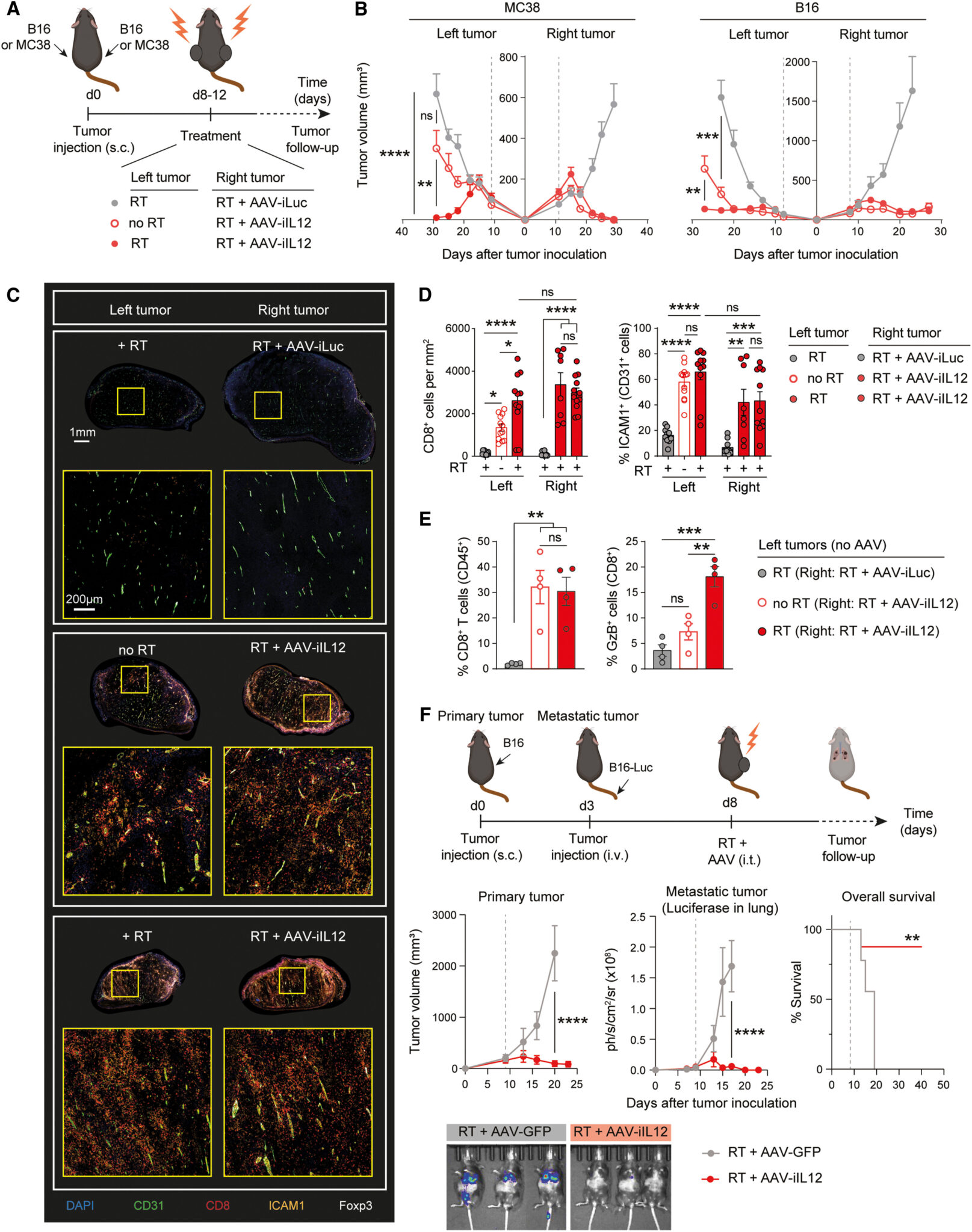
Figure 7. Local treatment induces systemic antitumor immunity
Conclusion
RT is an essential therapy against a large variety of cancers, but radio resistance and relapse of irradiated tumors remain an unmet clinical need. To achieve its full therapeutical potential, radiation injury of cancer cells should be able to prompt an effective immune response against tumor antigens and overcome the immunosuppressive mechanisms elicited by IR. Yet, multiple clinical trials testing the combination of RT with immune checkpoint inhibitors have shown little success and new approaches are much needed in particular for metastatic patients. The use of cytokines to reshape the inhibitory TME has been evaluated for decades, although their overall clinical benefit in oncology has been limited.
In summary, researchers have developed a therapeutic strategy that leverages complementary interactions between RT and AAV vector at different levels:
- enhanced transgene induction;
- enhanced spatial control of transgene expression;
- increased tumor susceptibility to immune-mediated mechanisms of tumor cytotoxicity.
Notably, the combination of RT and AAV-based immunotherapy is a versatile therapeutic platform for cancer that enables the use of vectors with different payloads and that can be combined with other forms of cancer immunotherapy. Overall, RT and AAV-based immunotherapy act synergistically to induce vigorous local and systemic antitumor immune responses resulting in tumor rejection. The immune-activating radiotherapy shown here represents an efficient and safe approach to fighting cancer with significant potential for further clinical development.
Reference
Marco, S., et al., Radiotherapy synergizes with an inducible AAV-based immunotherapy platform to program local and systemic antitumor immunity. Cancer Cell, 2026.