
In vivo site-specific engineering to reprogram T cells
Mar 27, 2026
The 2026 Nature paper by Nyberg, W.A. et al researches in vivo site-specific engineering to reprogram T cells.
Introduction
Engineered T cells, reprogrammed to express chimeric antigen receptors (CAR) or T cell receptors (TCR), have transformed cancer treatment and are being explored as therapeutics for autoimmune and infectious diseases. Enhancing T cell function through genome editing, either by disrupting endogenous genes or precisely inserting DNA payloads, has shown considerable promise. In vivo generation of CAR T cells could overcome these barriers, but current methods rely either on transient expression with limited durability, or on random integration of DNA payloads that lack specificity. Here researchers demonstrate that stable and cell-specific transgene expression can be achieved through in vivo site-specific integration of large DNA payloads. They developed a two-vector system to deliver CRISPR–Cas9 ribonucleoproteins and a DNA donor template, using enveloped delivery vehicles and adeno-associated viruses, respectively. They optimized both vectors for T cell-specific delivery and gene-targeting efficiency. By integrating a CAR transgene into a T cell specific locus, we generate therapeutic levels of CAR T cells in vivo in humanized mouse models of B cell aplasia, and hematological and solid malignancies.
Finding Highlights
- Developed a two-vector system to deliver CRISPR–Cas9 ribonucleoproteins and a DNA donor template, using enveloped delivery vehicles and AAV.
- Optimized both vectors for T cell-specific delivery and gene-targeting efficiency.
- Generate therapeutic levels of CAR T cells in vivo in humanized mouse models of B cell aplasia, and hematological and solid malignancies.
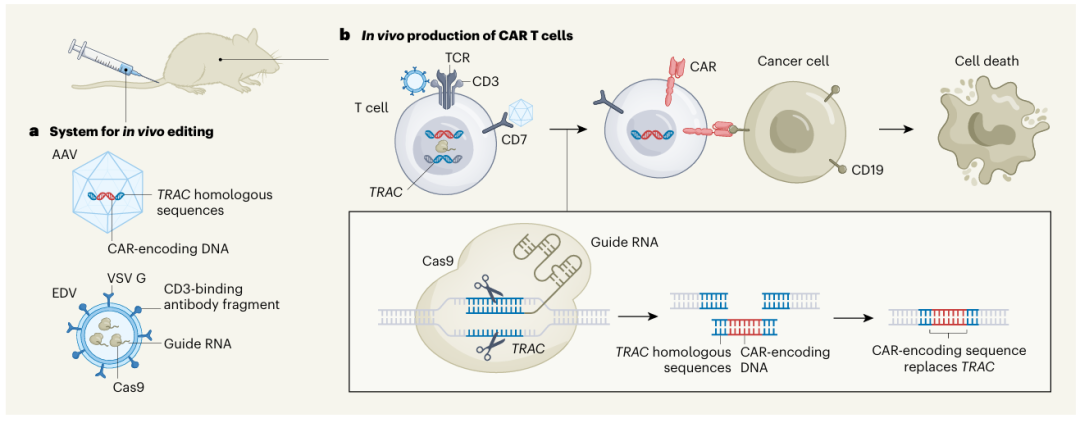
Key Results and Figure Interpretation
- Targeted transgene integration in vivo (Fig.1).
To generate TRAC-CAR T cells, researchers combined a TRAC-targeted Cas9-EDV pseudotyped with the glycoprotein G from vesicular stomatitis virus (VSVG) and TRAC-CD19 CAR HDRT packaged in AAV6 (Fig. 1a). DV alone achieved 50% TCR KO even at the lowest MOI (3×10⁴ sgRNAs per cell), confirming efficacy previously reported (Fig. 1b). EDV produced TCR KO in 67% of cells, while AAV6 alone had no effect as expected; however, AAV6/EDV treatment led to the emergence of a CAR+TCR− population (39.2% of cells Fig. 1c,d). NSG mice were engrafted with human peripheral blood mononuclear cells (PBMCs), followed by an intravenous (i.v.) injection of TRAC-targeted Cas9 EDVs plus AAV6 TRAC-CAR HDRT carrying a CD19-28z-1XX CAR transgene followed by EGFRt (Fig. 1e). Notably, around 3% of all splenic T cells in the treated mice were TRAC-CAR T cells (Fig. 1f,g), and the presence of CD19-28z-1XX CAR T cells was associated with B cell aplasia (Fig. 1f,h), demonstrating the functionality of in vivo generated CD19-targeting TRAC-CAR T cells. We used MHC-I/II double-KO NSG mice (Fig. 1i) in which xeno-GVHD is prevented, and we observed no detectable CAR T cells or splenic B cell aplasia (Fig. 1j)
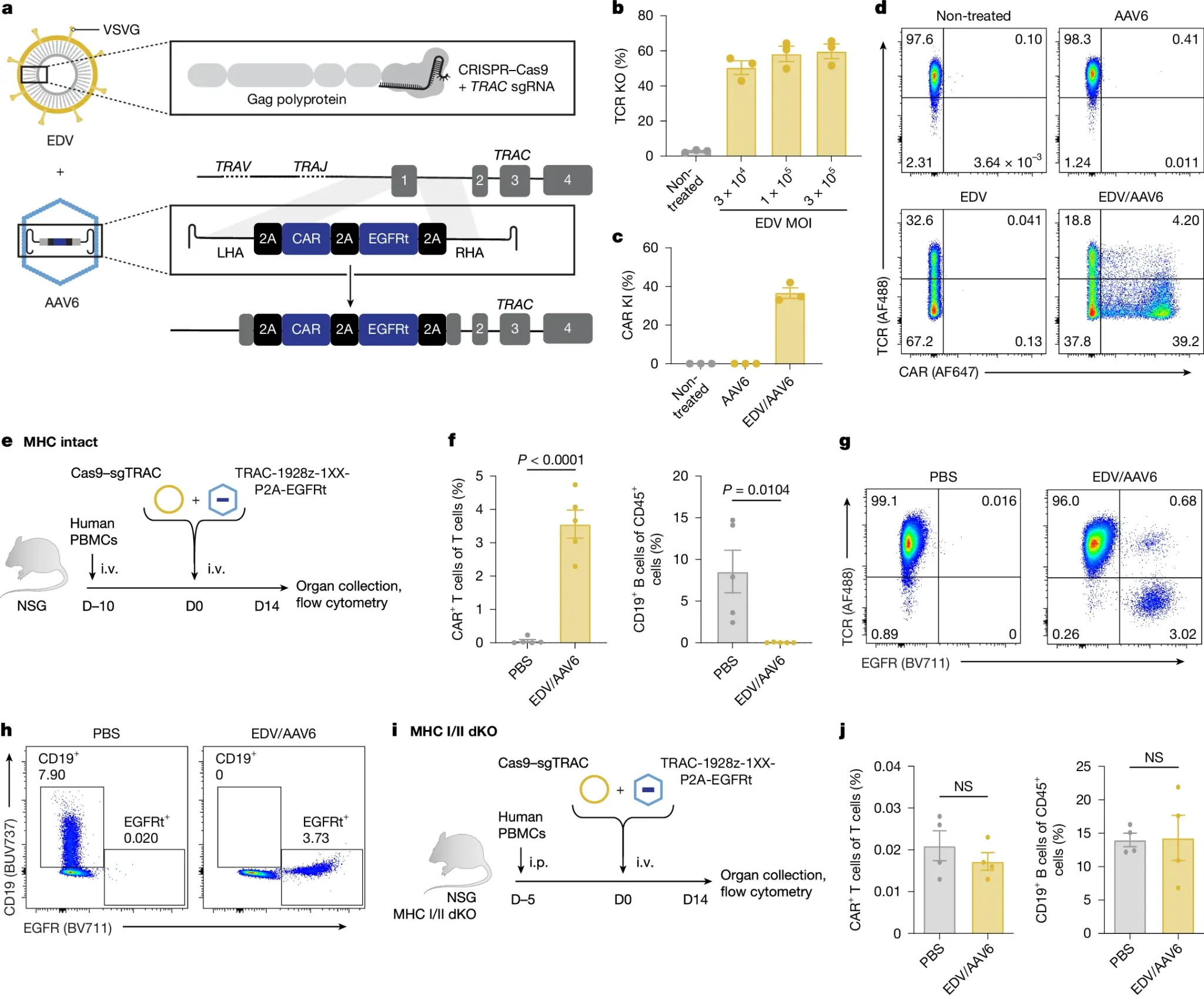
Figure 1. Co-delivery of Cas9-EDV and HDRT-AAV generates TRAC-CAR T cells in vitro and in vivo.
- Engineered vectors increase specificity and efficacy (Fig.2).
To address the sensitivity of AAV to neutralizing antibodies, we evolved an AAV6 capsid library using a strategy that we previously used to identify a mouse T cell-specific AAV4 (Fig. 2a). A sequence logo was generated based on the amino acid sequences of the variants that represented more than 0.1% of the reads in the evolved library and displayed more than a 100-fold enrichment from the parental library (Fig. 2b,c), revealing a conserved APR signature at amino acids 454 to 456 (Fig. 2c). Enrichment analysis of sgRNAs in the low-GFP fraction revealed genes required for AAV transduction (Fig. 2e and Extended Data Fig. 2f,g). To further improve the selectivity of our EDV/AAV delivery system, we restricted the EDV specificity by incorporating a mutated VSVG with ablated affinity for the LDLR family of receptors40 and added an anti-CD3 single-chain variable fragment (scFv) that confers both targeting and activation (Fig. 2h).
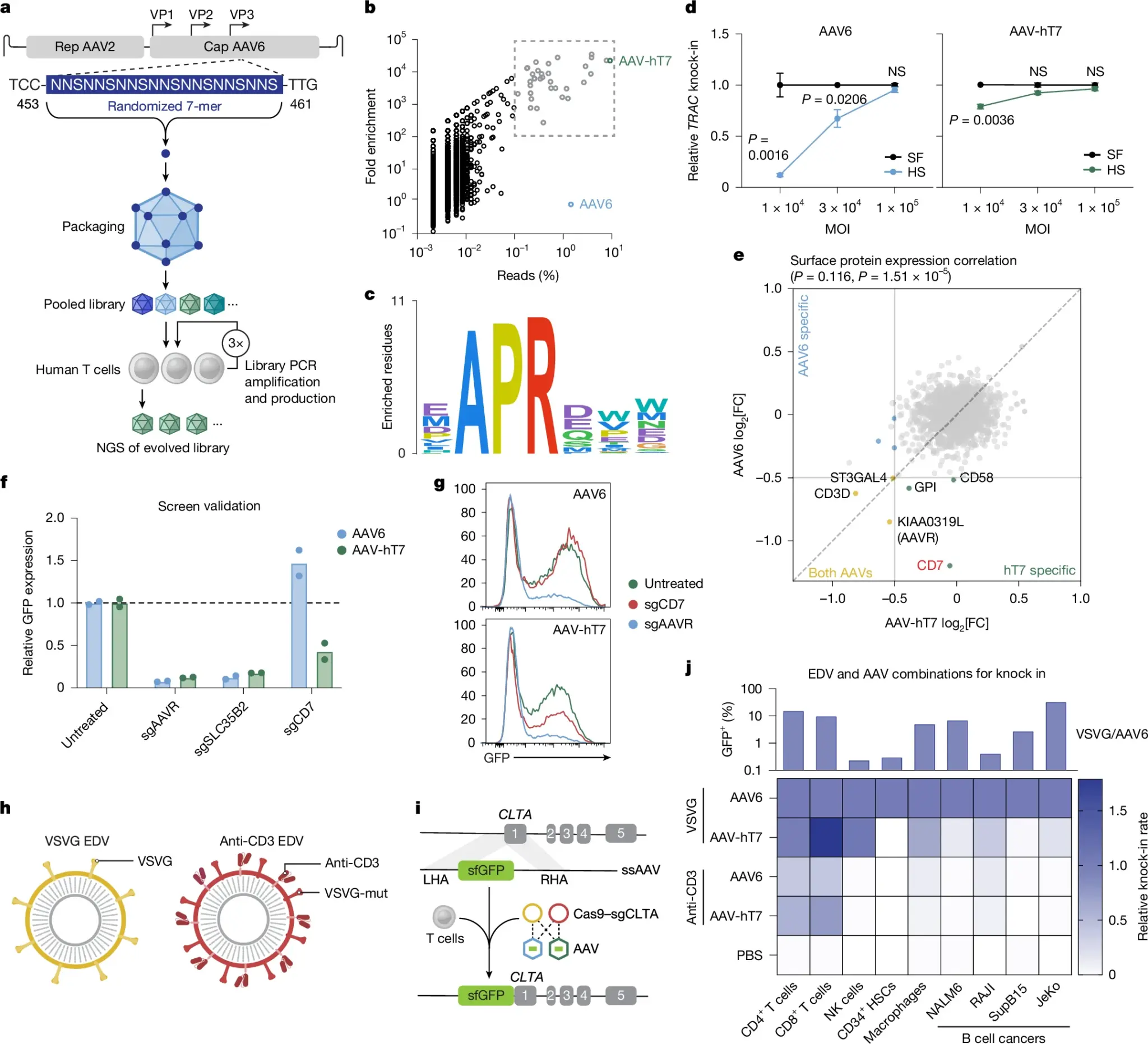
Figure 2. T cell-evolved AAV capsid and CD3-targeted EDVs improve delivery specificity
- Anti-CD3-EDV and AAV-hT7 improve in vivo knock in (Fig.3).
Five days after injection of human PBMCs, we delivered AAVs carrying a CD19-28z-1XX-P2A-EGFRt TRAC-HDRT along with EDVs containing TRAC Cas9–RNP (Fig. 3a). We observed significantly more CAR T cells in the optimized anti-CD3/AAV-hT7-treated mice compared with in all of the other groups, with CAR integrations in up to 19.7% of all splenic T cells (Fig. 3b,c). We compared three T cell groups: T cells from untreated control mice, and CAR-positive and CAR-negative T cells (determined by EGFRt expression) from the same mice treated with EDV/AAV (five mice with anti-CD3/AAV-hT7 and one mouse with anti-CD3/AAV6). For the analyzed markers, we observed no differences between untreated mice and CAR-negative T cells (Fig. 3e-k). Our data show a significantly reduced frequency of regulatory T cells in CAR+ CD4+ cells compared with the control population (Fig. 3k).
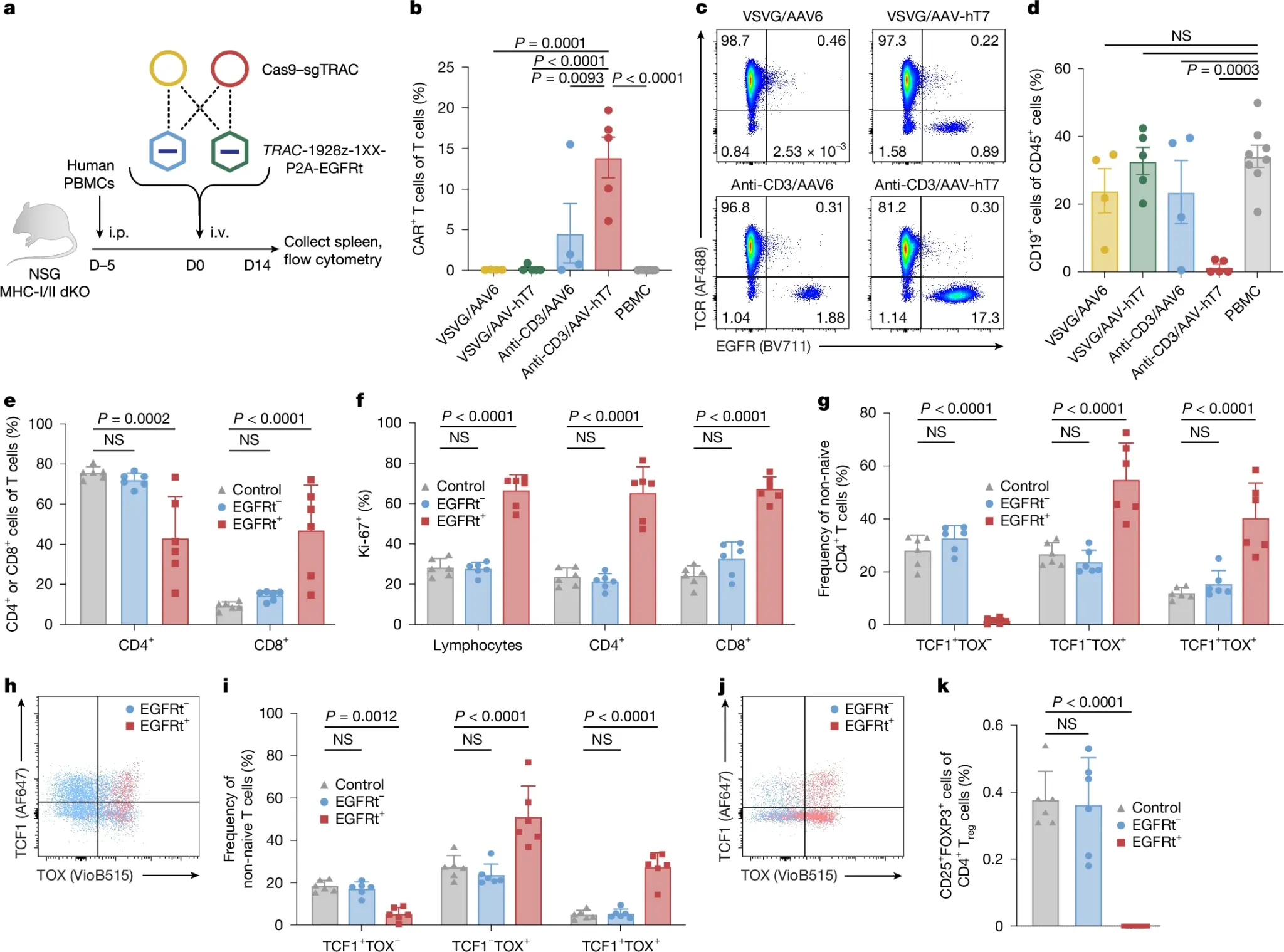
Figure 3. Improved in vivo generation of functional TRAC-CAR T cells
- In vivo TRAC-CAR T cell control of B-ALL (Fig.4).
After a single injection, 18 out of 20 mice across four donors achieved complete responses (Fig. 4b). Ex vivo manufactured TRAC-CAR T cells displayed improved tumor control compared with lentiviral CAR T cells at the low dose, but no significant difference was observed at a high dose (Fig. 4d,e). For in vivo engineering, while the efficacy was limited in mice treated with the low doses of LVV, 4 out of 6 LVV-treated mice responded at a high dose, with only one showing complete remission (Fig. 4d,e). Complete tumor control occurred in 6 out of 6 mice with EDV/AAV treatment, while either lentiviral treatment showed only a partial or limited response (Fig. 4d–f). Longitudinal blood profiling revealed marked differences in CAR T cell expansion dynamics (Fig. 4g). These results demonstrate that our engineered AAV and EDV can be used in vivo for site-specific integration of a CAR to generate TRAC-CAR T cells.
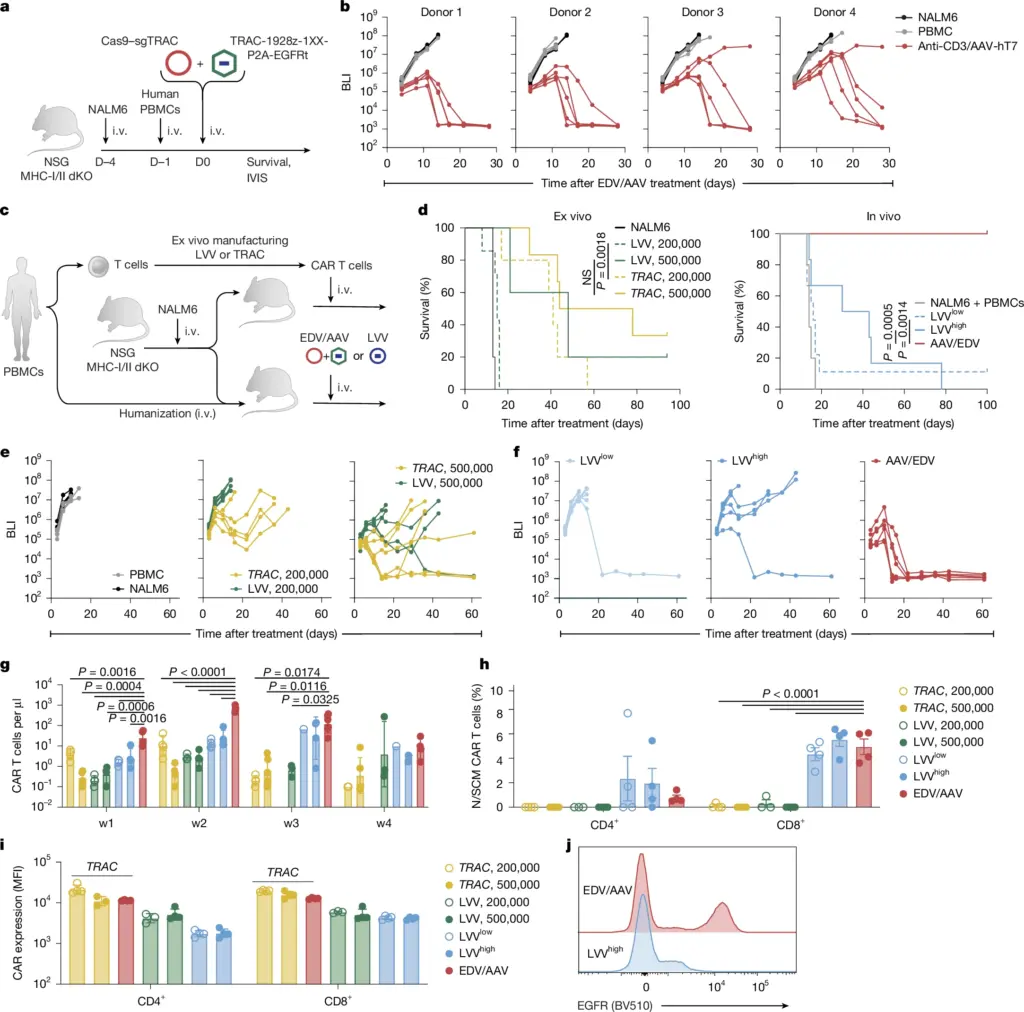
Figure 4. In vivo TRAC-targeted CAR T cells outperform in vivo lentiviral CAR T cells in a B-ALL model
- In vivo TRAC-CAR T cells in myeloma and sarcoma(Fig.5)
Researchers first engineered a TRAC-BCMA-CAR donor (HDRT) and packaged it into AAV-hT7. NSG-MHC-I/II double-KO mice were engrafted with the multiple myeloma cell line OPM2, followed by PBMC injection and EDV/AAV treatment (Fig. 5a). All EDV/AAV-treated mice (8 out of 8) achieved complete responses (Fig. 5b). After rechallenge with OPM2 cells (5 × 10⁶) at day 35 after treatment, 3 out of 4 remitted mice maintained durable tumor control, indicating the establishment of functional persistence of the in vivo generated CAR T cells (Fig. 5b).
They designed an anti-B7H3 CAR construct targeting an antigen broadly expressed across solid malignancies44, incorporating a CD28ζ−1XX signaling domain. NSG-MHC-I/II double-KO mice bearing subcutaneous MES-SA sarcomas were injected with PBMCs and treated with EDV/AAV vectors encoding the respective CARs (Fig. 5c). The anti-B7H3-CD28ζ−1XX CAR alone elicited complete responses in 5 out of 6 mice from one donor and in 3 out of 8 mice from a second donor (Fig. 5d,e). These results demonstrate the use of EDV/AAV treatments beyond haematological malignancies.
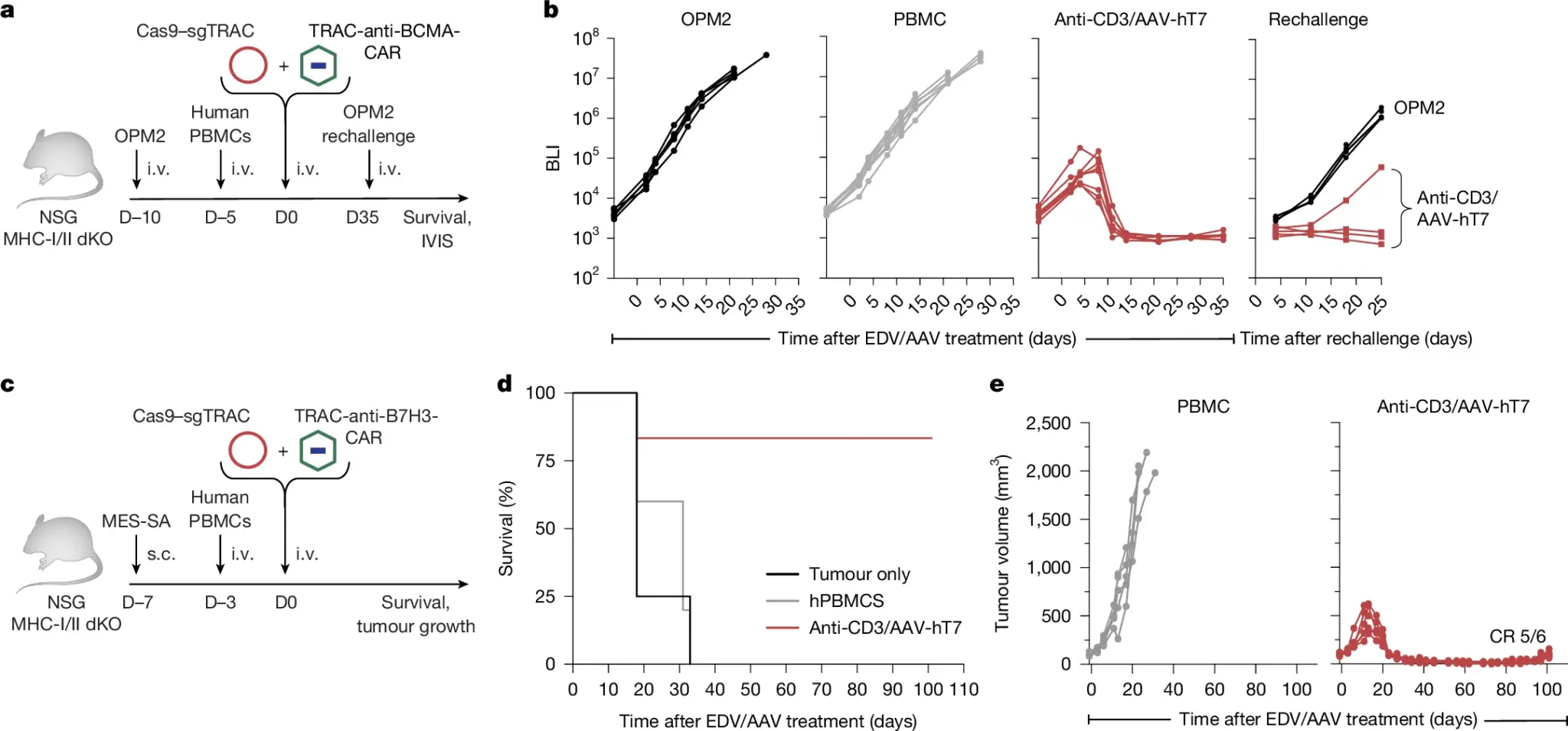
Figure 5. In vivo generated TRAC-CAR T cells confer antitumor activity in haematological and solid tumor models
Conclusion
Researchers developed a method for site-specific integration of large DNA payloads in primary human T cells in vivo. By combining CD3-targeted Cas9-EDV and pre-existing neutralizing-antibody-resistant AAVs with enhanced T cell tropism, we generated therapeutic levels of TRAC-CAR T cells in vivo that control tumor growth in multiple tumor models.
They demonstrate cell-specific insertion of large DNA payloads at a precise locus in vivo. Crucially, we also overcome major barriers to the therapeutic application of CAR T cell generation in patients, with implications for cell therapies without the need for leukapheresis and cell manufacturing. We are optimistic that this advance will have a substantial effect on the design and implementation of cell therapy trials and improve access to cutting-edge CAR T cell treatments for patients.
Reference
Nyberg, W.A., et al., In vivo site-specific engineering to reprogram T cells. Nature, 2026.