
Inter-individual variability in immune response to AAV ocular gene delivery across species impedes immunomonitoring
Mar 20, 2026
The 2026 JCI Insight paper by Duohao REN et al researches Inter-individual variability in immune response to AAV ocular gene delivery across species impedes immunomonitoring.
Introduction
Adeno-associated viruses (AAVs) have been used in inherited retinal diseases. Despite their effectiveness in gene transduction, immune responses to the AAV capsid and transgene products have been reported, which can compromise both the efficacy and safety of AAV-mediated therapies. The eye is regarded as an immune-privileged organ where immune activity is constitutively suppressed.
Immune responses have been observed in clinical trials. In clinical trial NCT00749957, 3 out of 12 patients developed ocular inflammation and 5 out of 12 patients developed anti-capsid antibodies while no patients developed anti-capsid T cell response. An intriguing point is that non-consistent immune responses were observed whatever the condition in clinical trial. This has been supposedly attributed to differences in disease stage, treatment prior to gene therapy, genetics, lifestyle and environment, which are confounding factors that can influence the correlations among the immunomonitoring parameters in the patients and the efficiency of the gene therapy. Thus, they would like to test that in controlled animal models. Moreover, it can be considered as an added value to demonstrate that the same kind of immune response variability can be found whatever the species (human clinical trial, non-human primates, mice), the site of injection, the cassette, and the dose.
Finding Highlights
- Highlight that immunomonitoring in an ocular gene transfer reveals variable immune responses, the species, the site of injection, the cassette, and the dose.
- Explored factors contributing to this variability, investigating the potential correlation among immune parameters in a controlled experimental setting.
- Highlight an inter-individual variability of immune parameters and emphasize the importance of considering inherent variability among individuals while designing personalized therapies.
Methods Description
The researchers employed a multi-methods to explored factors of immunomonitoring in ocular gene transfer:
Sex as a biological variable: In the clinical study, most subjects were male (n = 13), and in NHP study, there were 6 male and 2 female. Sex was not considered as a biological variable due to the limited availability of patients or animals. Since sex has been identified as a factor influencing AAV-induced immune responses, mice of the same sex were used to investigate additional contributors to this variability. In the murine study, female mice were selected because HY peptides are male-specific antigens capable of inducing immune responses only in female individuals while allowing the assessment of other factors contributing to the variability observed after AAV administration.
Clinical data and NHP data analysis: Immunomonitoring data from the clinical trial (NCT02064569) that includes 15 patients with LHON carrying the G11778A-ND4 mutation was analyzed. Ocular inflammation, anti-AAV2 TAb, anti-AAV2 NAb and anti-AAV2 cellular immune response were quantified. The half maximal inhibitory concentration was determined using the intercept at 50% of the regression curve and expressed as a dilution factor. A Spectralis HRA + OCT system was used to acquire OCT images. SUN classification was applied for grading the “Anterior chamber cells”. For grading the “Vitreous cells”, the NIH grading system is used. The British Medical Journal (BMJ) grading system is used for grading the “Posterior Uveitis”.
AAV vectors: AAV8-GFP-HY and AAV8-PGK-Luc2 vectors were produced by Généthon in Evry (France) using the tritransfection technique in 293T cells cultured in roller bottles. Transgenes were under the ubiquitous Phosphoglycerate kinase (PGK) promoter. HY is a male antigen which is immunogenic in female mice. AAV vectors were purified by cesium chloride gradients centrifugation, and vector titters were determined by qPCR. Endotoxin levels were below 6 EU/mL.
In vivo cell cytotoxicity assay:Spleen cells from CD45.1+CD45.2– male (expressing HY antigen) and CD45.1–CD45.2+ female (not expressing HY antigen) C57BL/6 wild-type mice were harvested as described above and stained with cell trace violet cell proliferation kit. A mixture of 3×10⁶ male cells (CTVlow) and 3×10⁶ female cells (CTVhigh) in 200 μL was injected intravenously in the experimented female C57BL/6 mice (CD45.1– CD45.2+ and not expressing HY antigen) at day 17. CD45.1– CD45.2+ CTV high female cells are used as a control of cell survival, as they are not targeted by anti-HY immune responses. Three days after injection, blood was harvested, red blood cells were lysed by adding ACK buffer, washed in PBS 1X, and leukocytes were stained for flow cytometry with an anti-CD45.1-PE antibody to analyze the male cell survival in vivo. Data were acquired on a CytoFLEX LX flow cytometer and analyzed with the CytExpert software.
Key Results and Figure Interpretation
- Inter-individual variability of immune response is observed in the human clinical trial after intravitreal AAV2 gene transfer (Fig.1).
We investigated the potential relations between the different immunomonitoring data from a human clinical trial described previously (NCT02064569) (Figure 1A). In this clinical trial, 15 patients diagnosed with ND4 Leber Hereditary Optic Neuropathy (LHON), were distributed into four cohorts and treated with an intravitreal injection of a recombinant AAV2 vector carrying the ND4 gene at 4 different doses. A composite global ocular inflammation score (OIS) was determined using 4 separate grades according to Standardization of Uveitis Nomenclature (SUN) classification (Figure 1B). In addition, total antibody (TAb) and neutralizing antibody (NAb) levels against the capsid were also measured by ELISA and NAb assays respectively in patients. TAb and NAb levels were generally increased in patients’ post-injection serum samples, with no clear dose effect (Figure 1, C and D). Immune profiles were generated for each patient, incorporating fold change of TAb and Nab against AAV2, maximal OIS and anti-capsid cellular immune responses measured by IFNG ELISpot in peripheral blood mononuclear cells (PBMCs) isolated from patients. The immunomonitoring revealed distinct patterns in patients who received the same dose, exhibiting different levels of ocular inflammation scores (OIS), cellular and humoral responses regardless of the AAV2 dose received (Figures 1, E-H).
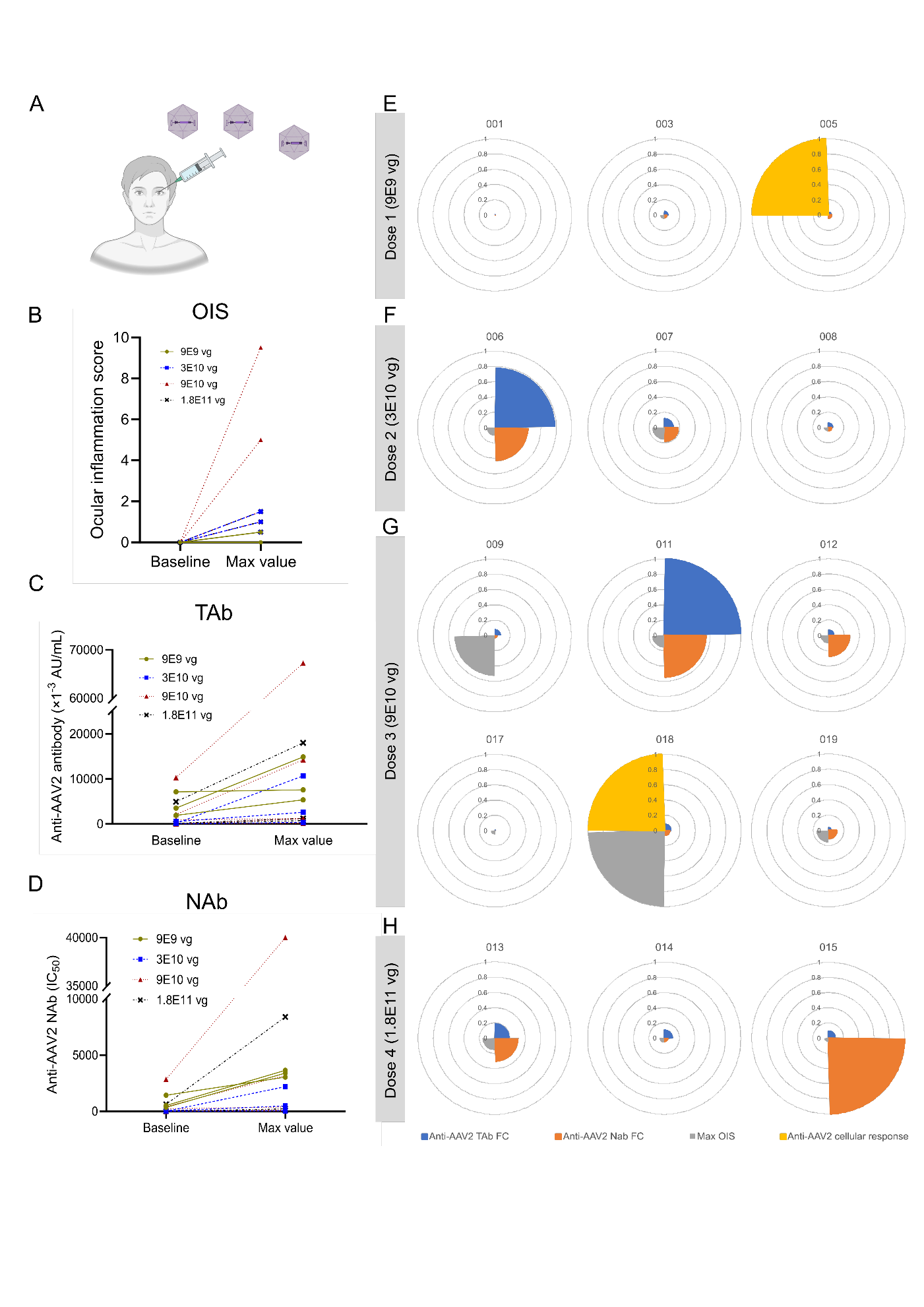
Figure 1. Inter-individual variability of immune response is observed in the human clinical trial (NCT02064569) after intravitreal AAV2 gene transfer.
- Inter-individual variability of immune response is observed in the human clinical trial and NHP model after intravitreal AAV2 gene transfer (Fig.2).
All the 8 NHPs received an intravitreal injection of 5×10¹¹ vector genomes (vg) of AAV2.7m8 encoding ChrimsonR in both eyes (Figure 2A). Ocular inflammation was assessed by slit lamp 1-month post-injection and scores were determined by SUN classification on anterior chamber cells (ACC), anterior chamber flare (ACF), vitreous haze (VH), and vitreous cells (VC). ELISA and NAb assays were used to measure capsid-specific TAb and NAb levels 2 to 3 months post-injection (PI). Both TAb and NAb against capsid in NHP sera increased after AAV2 administration (Figure 2, B and C). Normalized immune profiles of NHPs highlighted varying contributions of humoral immunity and inflammation by slit lamp, including ACC, ACF, VH, and VC to the overall response (Figure 2D). Both species exhibited variability in immunomonitoring outputs following intravitreal AAV2 injection.
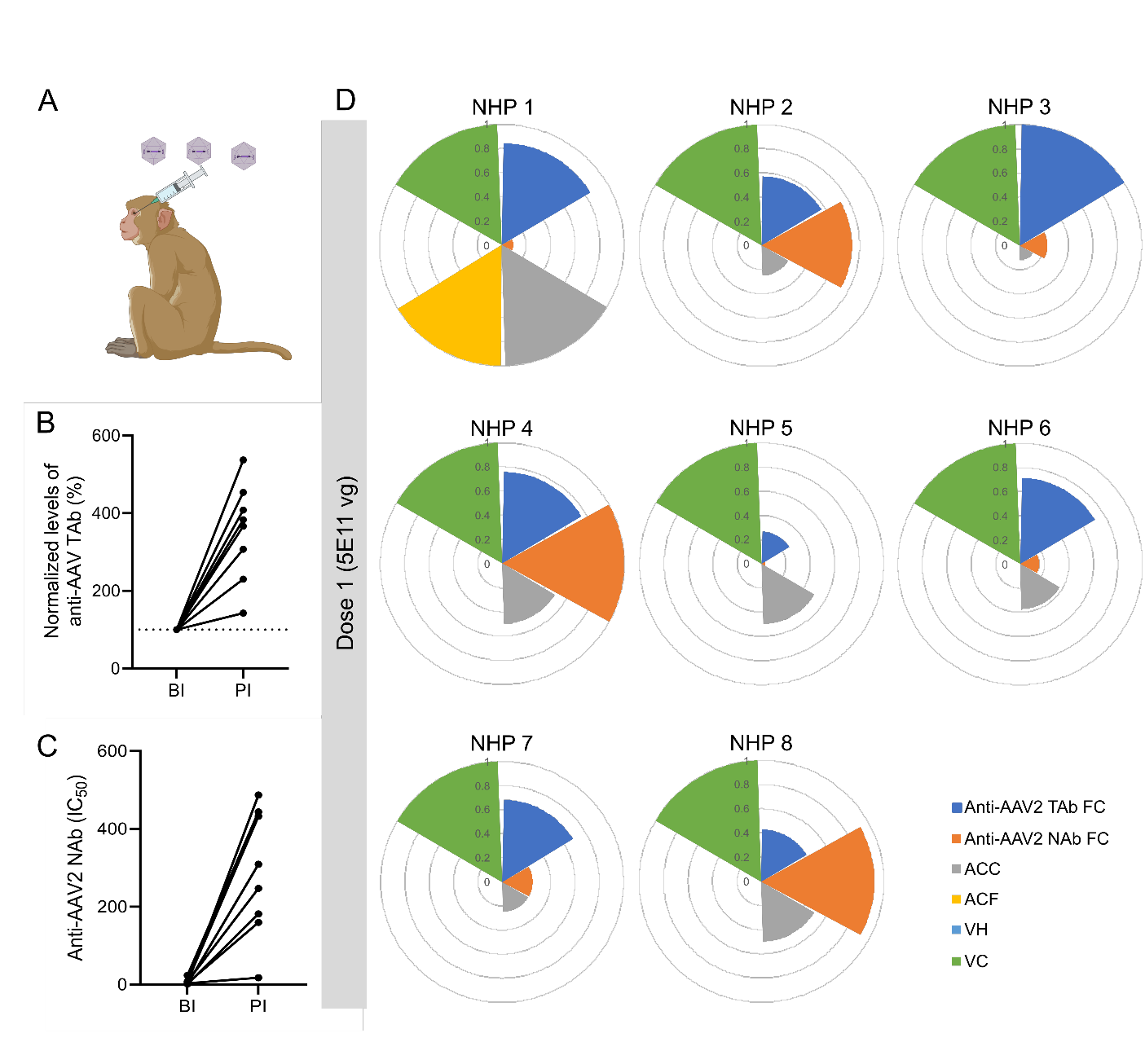
Figure 2. Inter-individual variability of immune response is observed in the NHP model after intravitreal AAV2.7m8 gene transfer
- Systemic adaptive immune responses against both capsid and transgene product are induced after 121 subretinal injections of AAV8-GFP-HY in mice (Fig.3 and Fig.4).
To comprehensively assess the humoral and cellular immune responses against both capsids and transgene products, a male peptide named HY which was known to induce systemic T cell responses in female mice was packaged into AAV8 capsid along with GFP. The AAV8 vectors (5×10¹⁰ vg/eye) were administered into the eye of female C57Bl/6 mice via subretinal injection (Figure 3A). Sera and spleens were collected 21 days post-injection as previously described to analyze the humoral and cellular immune responses against the capsid and transgene product (Figure 3A). IFNG ELISpot revealed a significant increase in activated T cells against AAV8 and transgene product in AAV8-injected mice compared to PBS-injected control mice (Figure 3, B and C).
Radar charts were generated to visualize the proportional production of these cytokines. Spleen cells from PBS-injected control mice mainly did not secrete cytokines (Figures 4, A and B). In contrast, spleen cells from AAV8-injected mice produced production of multiple cytokines (Figures 4, C and D).
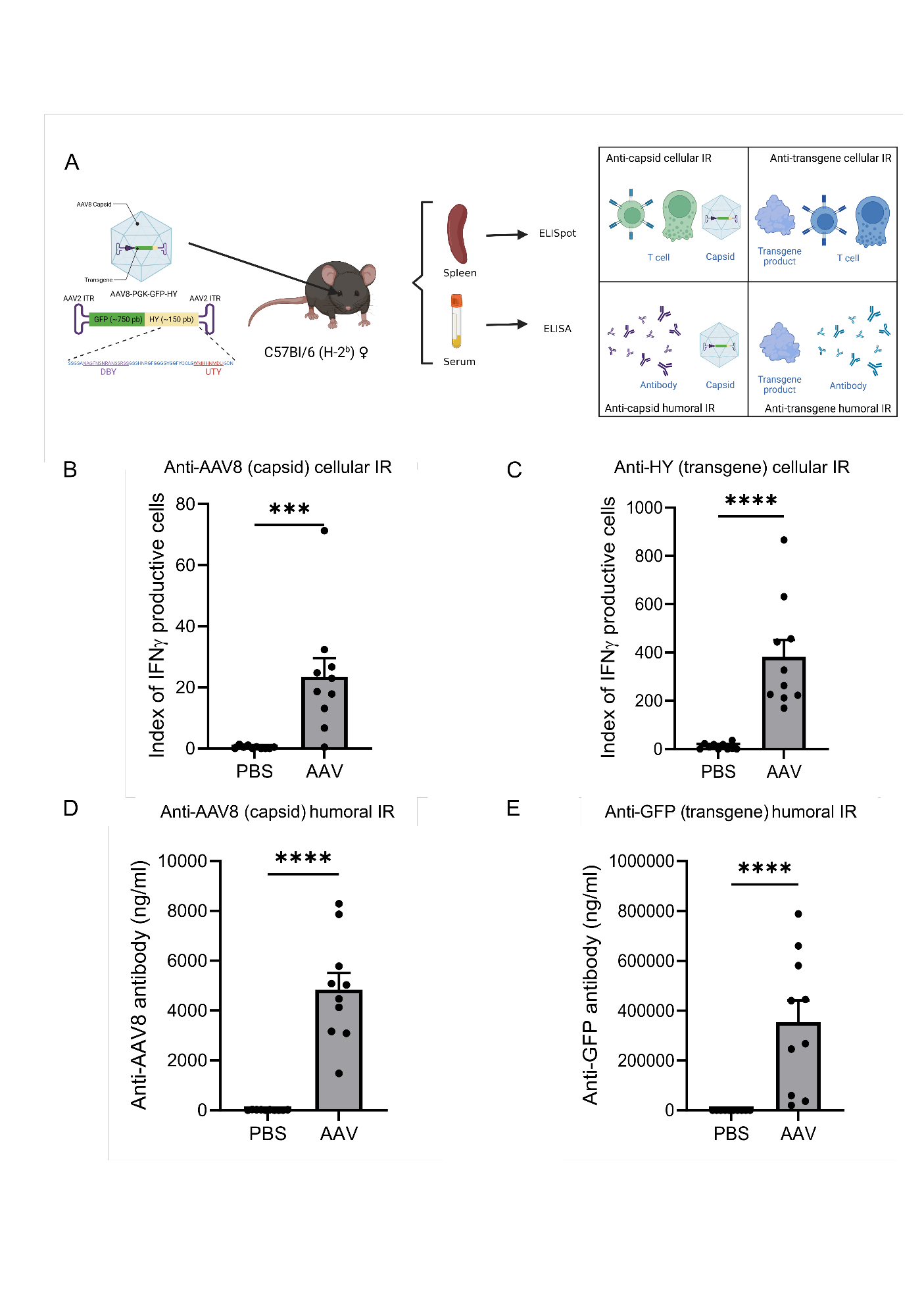
Figure 3. The functional mechanisms of six small nucleic acids. Systemic adaptive immune responses are induced after subretinal injections of AAV8-GFP762 HY in mice
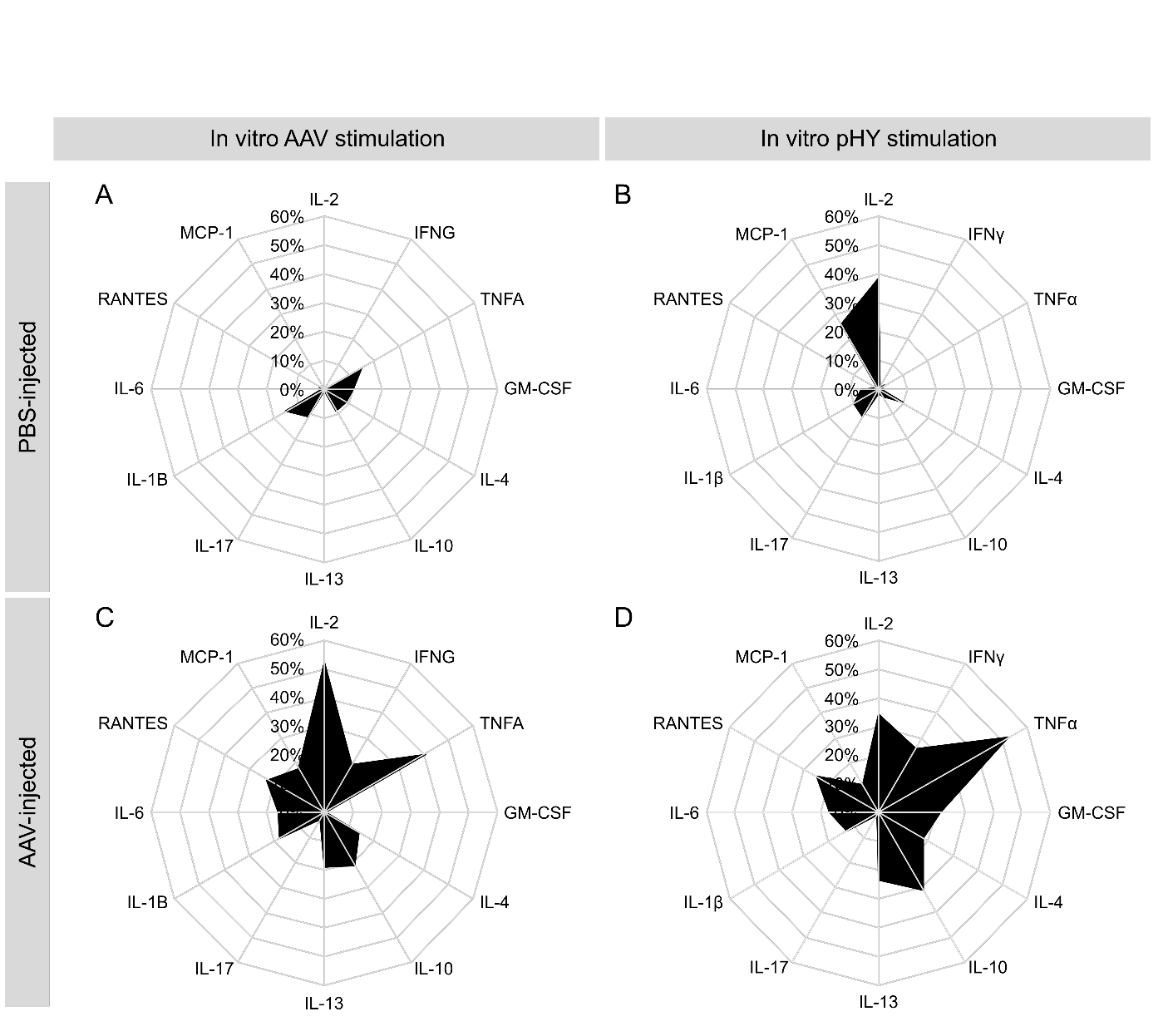
Figure 4. Global view of the systemic pro-inflammatory cytokine profile in mouse 21d post-injection (PI) of AAV8-GFP-HY
- Local transgene expression in the retina is correlated with cytotoxicity against transgene-expressing cells post-injection of AAV8-GFP-HY (Fig.5).
In AAV8-injected mice, significant expressions of the HY and GFP transgenes were observed 21 days after injection, and a correlation between the expression levels of both transgenes was identified (Figure 5, A and B). To evaluate the clearance ability of specific antigen-expressing cells in these mice, an in vivo cytotoxicity assay was performed using male spleen cells expressing the HY antigen as target cells which means the more target cells survive, the less cytotoxicity there is. We found a significant reduction (p-value = 0.0004) in the number of male target cells in AAV8-injected mice, indicating the development of 8 HY-specific cytotoxicity (Figure 5C). Direct correlations between target cell survival in the blood and retinal transgene expression were demonstrated suggesting an inverse correlation between cytotoxicity effect and transgene expression in the mice (Figure 5, D and E).
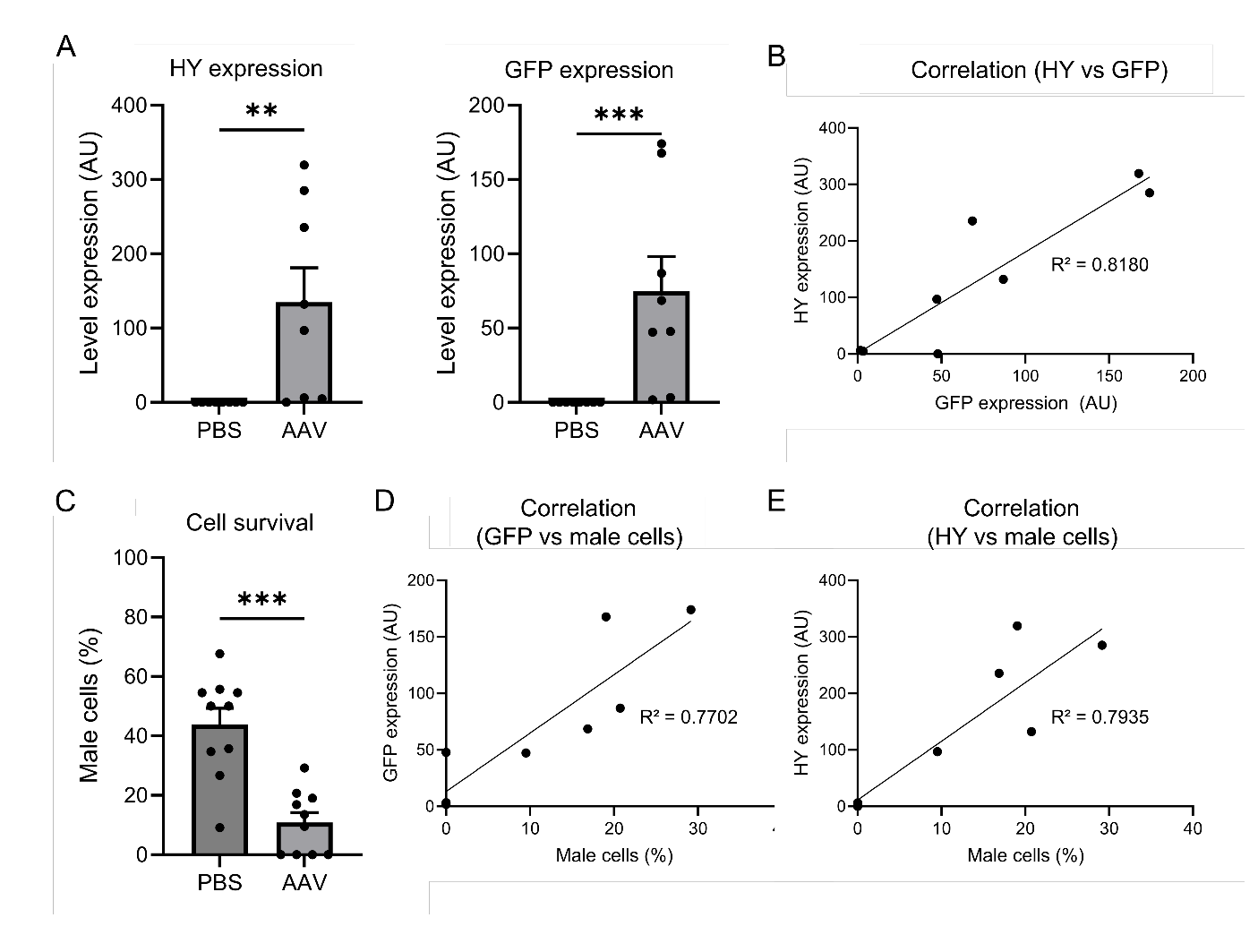
Figure 5. Local transgene expressions in the retina are correlated with cytotoxicity against transgene cells post-injection (PI) of AAV8-GFP-HY
- Local inflammation and correlated expressions between MHC II molecules and Cybb are found in the retina post-injection of AAV8-GFP-HY(Fig.6)
We observed a significant increase in the expression of both MHC II molecules 21 days after the subretinal injection (Figure 6A). Since H2-Eb1 and H2-Ab1 are co-dominant molecules, their correlated expressions were confirmed (Figure 6B). Interestingly, the expression of Cybb increased significantly in AAV8-injected mice (p-value = 0.0002) (Figure 6C), and correlations were found between Cybb and MHC II molecules expression, suggesting a link between inflammatory markers (Figure 6, D and E).
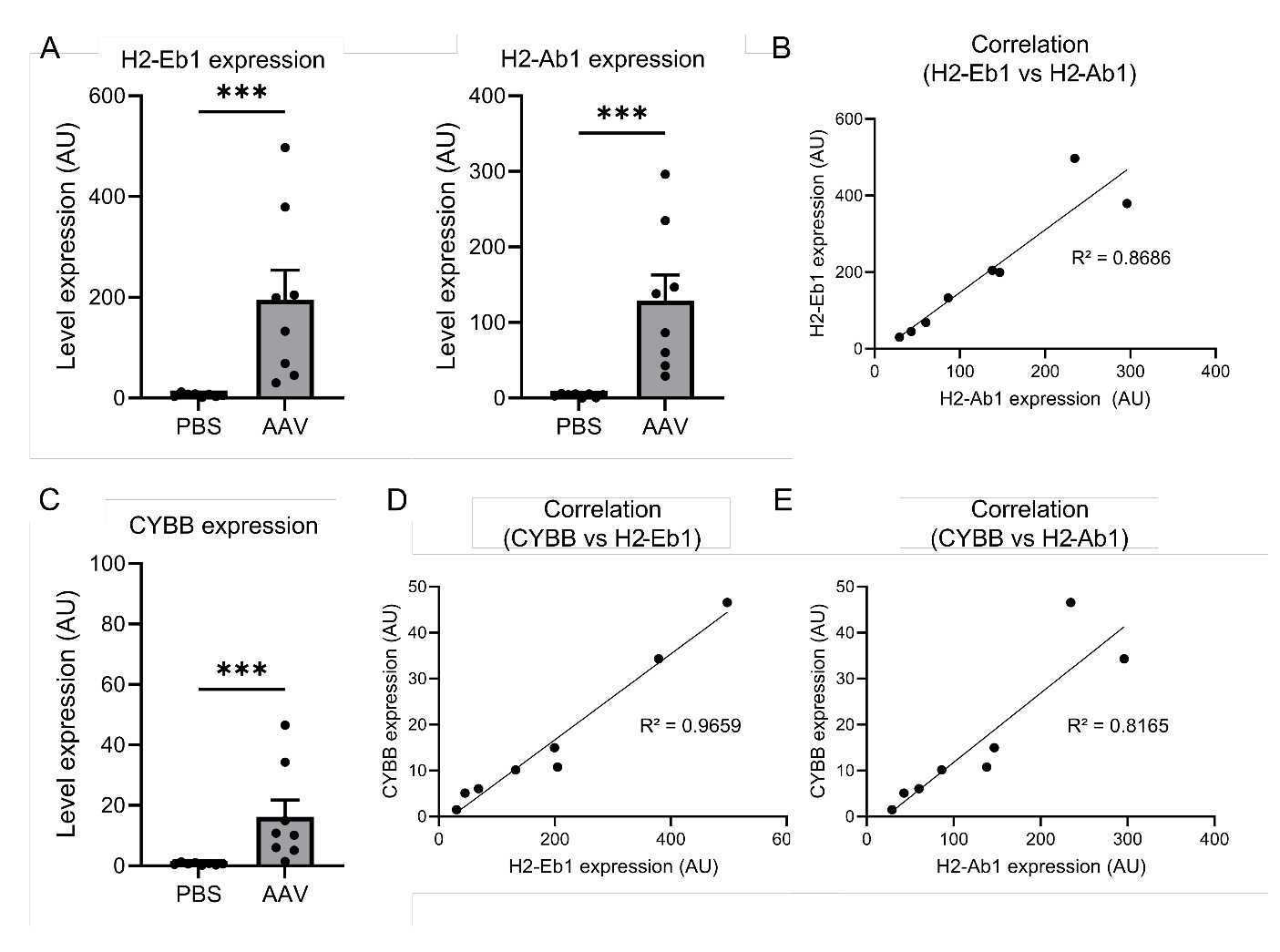
Figure 6. Local inflammation and correlated expressions between MHC II molecules and Cybb are found in the retina post-injection of AAV8-GFP-HY
- Diversity in immune responses is noticed in syngeneic mice 21d post-injection of AAV8-GFP-HY (Fig.7)
The immune profile included transgene expression (HY-Tg and GFP-Tg), local inflammation (H2-Eb1, H2-Ab1 and Cybb), humoral immune response (AAV8-Ab and GFP-Ab) and cellular immune response (%male, ELISpot-HY, ELISpot-DBY, ELISpot-UTY, ELISpot-AAV8-PGK-Luc2 and ELISpot-AAV8-PGK-GFP-HY). The cytokine profile was composed of cytokines significantly affected by AAV8 in vitro stimulation (IL-2, IFNG, TNFA and RANTES) or HY in vitro stimulation (IFNG, TNFA, IL-10 and RANTES). No similar immune profiles were found in AAV8-injected mice suggesting that the immune responses against AAV8 and its transgene product may vary among mice (Figure 7, A and B, Supplemental Table 3). The PCA results confirmed that AAV8-injected mice could be clearly separated from PBS-injected mice as expected and that the AAV8 injected group exhibited a broad distribution of the individuals which was consistent with immune and cytokine profiles, highlighting the variability of immune parameters after AAV8 subretinal injection (Figure 7C).
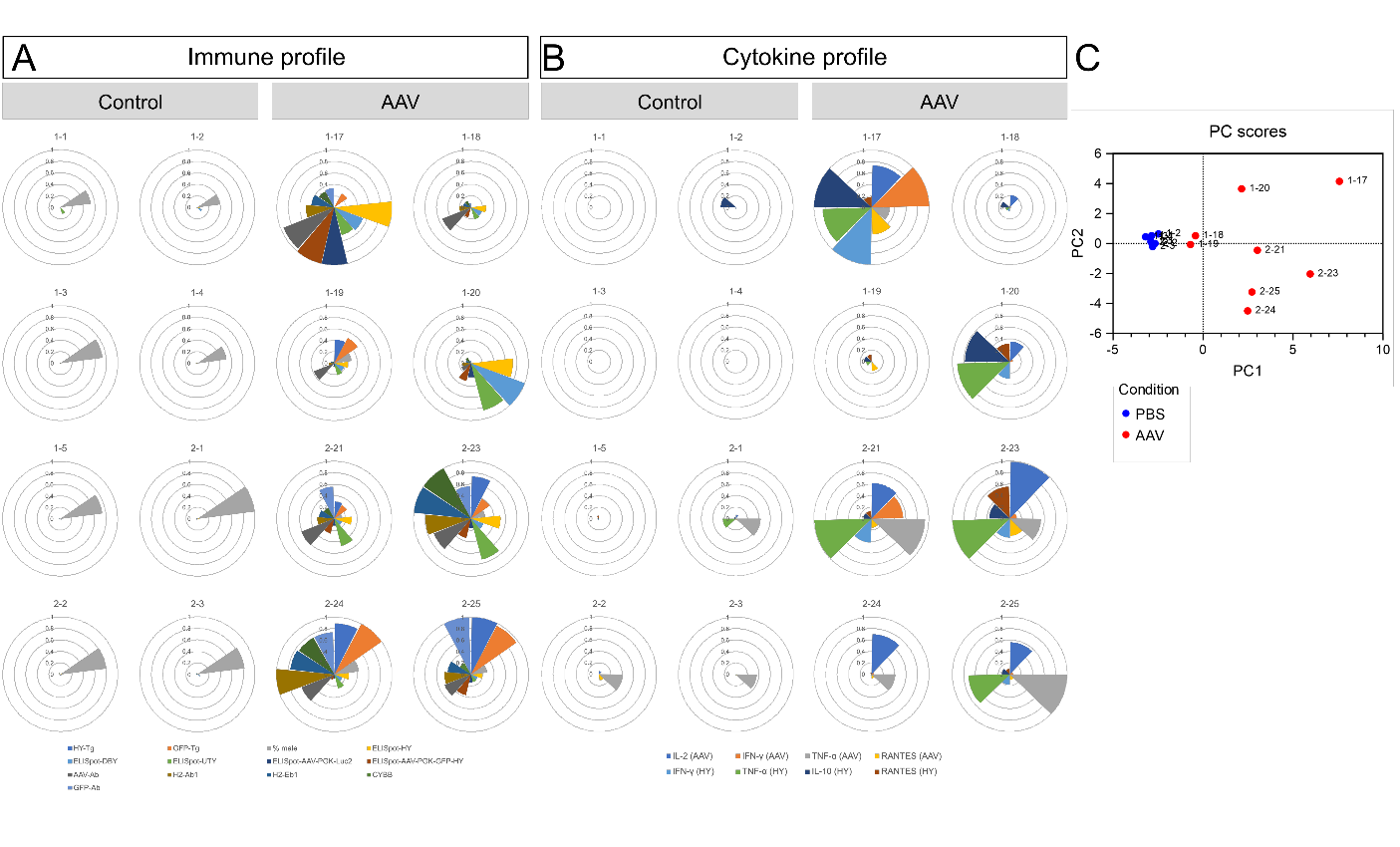
Figure 7. Diversity in immune responses is noticed in syngeneic mice 21d post-injection of AAV8-GFP-HY
- Absence of correlation between immune parameters in syngeneic mice 21 days following AAV8-GFP203 HY delivery (Fig.8)
To explore relationships among immune parameters, a correlation analysis was conducted. Distinct correlations emerged between certain parameters; for instance, anti-transgene product antibody levels showed a clear correlation with transgene expression, which in turn was linked inversely to male cell death, indicating the cytotoxic effect. However, most parameters displayed no marked correlations, particularly across the four primary domains: local transgene expression, local inflammation, systemic immune response, and cytokine profile (Figure 8, A and B). The absence of correlation between immune markers suggests that subretinal AAV8 administration leads to individualized immune responses, with marked variation between subjects. This indicates that each subject may mount a distinct immunological reaction to the treatment.
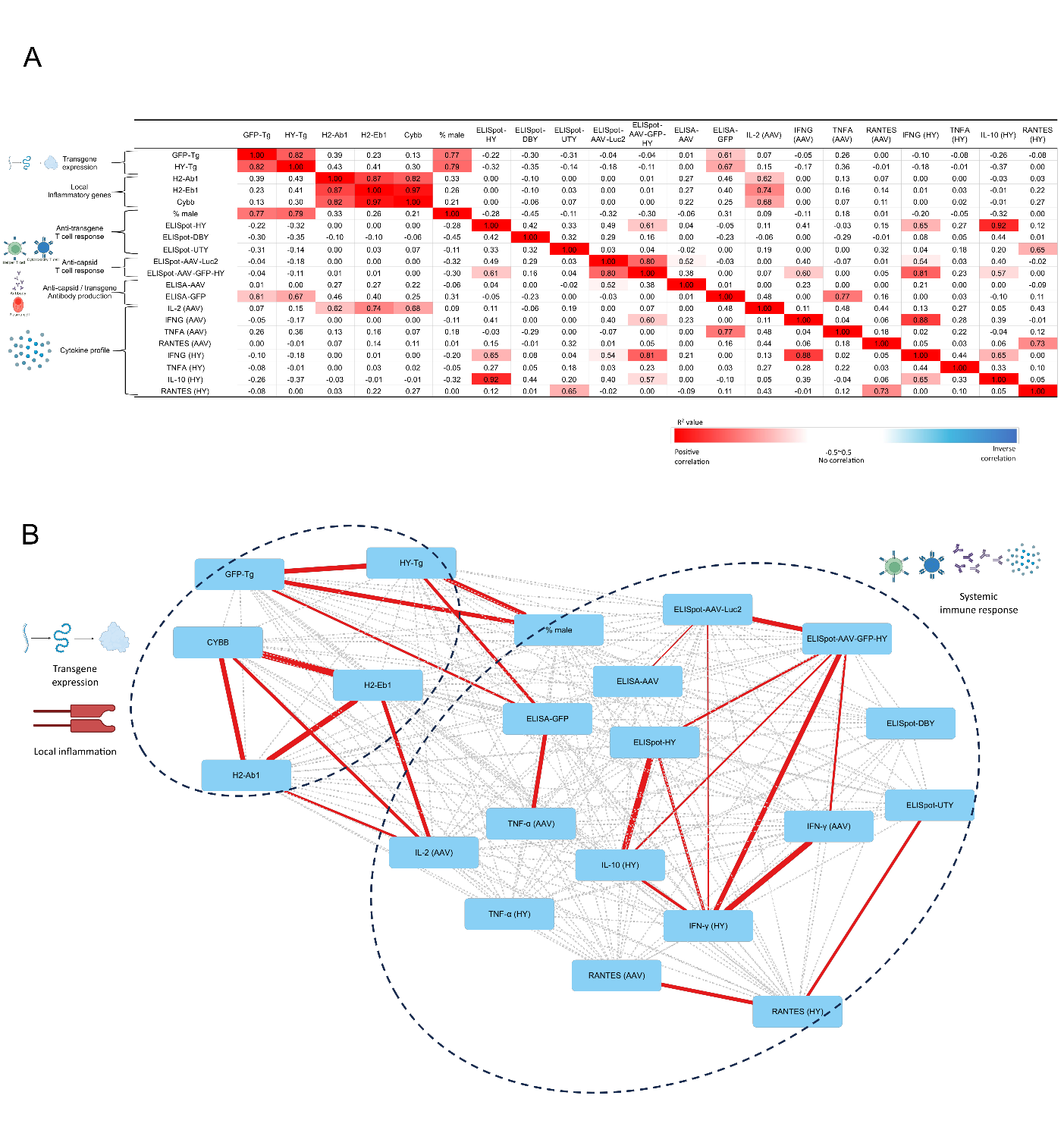
Figure 8. Immune parameters show no correlation in syngeneic mice 21 days following AAV8-GFP833 HY delivery
Conclusion
Inter-individual variability in immune responses has been observed in human clinical trials as well as in NHPs receiving ocular gene therapy. However, with our study we demonstrated that even in a syngeneic murine model where most of the factors were kept the same, high inter-individual variability in immune responses is observed. The factors and mechanisms impacting the inter-individual variability are still not well understood.
Our findings underscore the need for individualized patient care strategies, highlighting the value of a personalized medicine approach. The understanding and surveillance of individual immune response variations could inform personalized decisions about dosing, treatment selection, duration, and immunosuppressive regimens.
Reference
Ren, D., et al., Inter-individual variability in immune response to AAV ocular gene delivery across species impedes immunomonitoring. JCI Insight, 2026.