
Landscape of small nucleic acid therapeutics: moving from the bench to the clinic as next-generation medicines
Mar 13, 2026
The 2025 Signal Transduction and Targeted Therapy paper by Li Yang et al reviews landscape of small nucleic acid therapeutics: moving from the bench to the clinic as next-generation medicines.
Introduction
Compared with conventional treatments, small nucleic acid therapeutics have the potential to achieve long-lasting or even curative effects via gene editing. As a result of recent technological advances, efficient small nucleic acid delivery for therapeutic and biomedical applications has been achieved, accelerating their clinical translation. Here, we review the increasing number of small nucleic acid therapeutic classes and the most common chemical modifications and delivery platforms. We also discuss the key advances in the design, development and therapeutic application of each delivery platform.
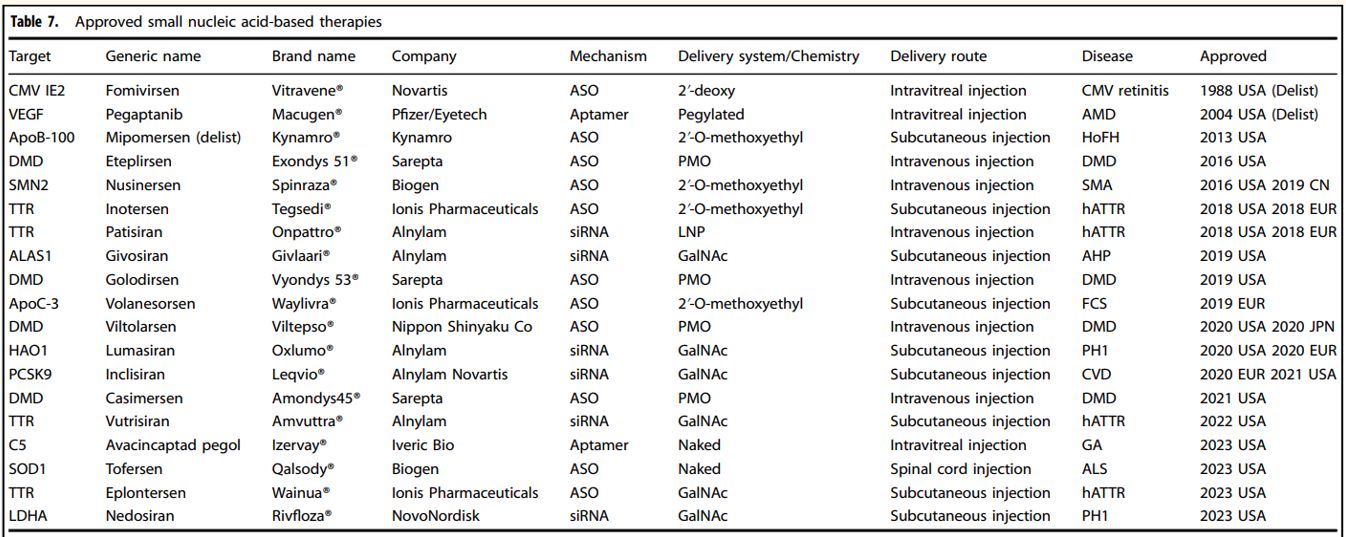
Furthermore, this review presents comprehensive profiles of currently approved small nucleic acid drugs, including 11 antisense oligonucleotides (ASOs), 2 aptamers and 6 siRNA drugs, summarizing their modifications, disease-specific mechanisms of action and delivery strategies.
We also consider strategic issues such as important safety considerations, novel vectors and hurdles for translating academic breakthroughs to the clinic. Small nucleic acid therapeutics have produced favorable results in clinical trials and have the potential to address previously “undruggable” targets, suggesting that they could be useful for guiding the development of additional clinical candidates.
Finding Highlights
- Review the increasing number of small nucleic acid therapeutic classes and the most common chemical modifications and delivery platforms.
- Discuss the key advances in the design, development and therapeutic application of each delivery platform.
- Presents comprehensive profiles of currently approved small nucleic acid drugs, including 11 antisense oligonucleotides (ASOs), 2 aptamers and 6 siRNA drugs, summarizing their modifications, disease-specific mechanisms of action and delivery strategies.
- Consider strategic issues such as important safety considerations, novel vectors and hurdles for translating academic breakthroughs to the clinic.
Key Results and Figure Interpretation
- Translating small nucleic acid-based pharmacotherapy from bench to clinic and back (Fig.1).
The development of small nucleic acid drugs begins with the design of potential nucleic acid sequences tailored to target specific diseases. Researchers then screen these sequences to identify the most effective candidates. Once optimal sequences are identified, they undergo chemical modifications to increase their stability and reduce their toxicity. These modifications optimize the drug’s pharmacokinetic properties, increasing the viability of the drug for therapeutic use. The modified small nucleic acid sequences are then encapsulated in delivery vectors. This step is crucial, as it further increases the drug’s stability in vivo and ensures that it reaches the specific target organ effectively. Extensive in vitro and in vivo evaluations have been conducted to assess the efficacy, safety, and pharmacodynamics of the drug. These evaluations help refine drug candidates before they proceed to clinical trials.
Promising drug candidates then enter clinical trials, where many patients are recruited. Medical staff meticulously recorded the responses of different subjects to the candidate drugs, noting any therapeutic effects or adverse reactions. The clinical data obtained are analyzed by researchers, often with the assistance of artificial intelligence, to obtain deeper insights into the drug’s performance. This analysis helps researchers understand the drug’s efficacy, safety profile, and potential areas for improvement. The interpreted data are fed back to the laboratory for further optimization of the drug. Researchers may tweak the chemical structure, modify the delivery vector, or make other adjustments to enhance the drug’s performance. This iterative process continues, ensuring that each cycle brings the drug closer to its optimal form. This cycle of design, testing, feedback, and optimization is repeated until the drug meets the desired standards of efficacy and safety, ultimately leading to its approval and use in clinical settings.
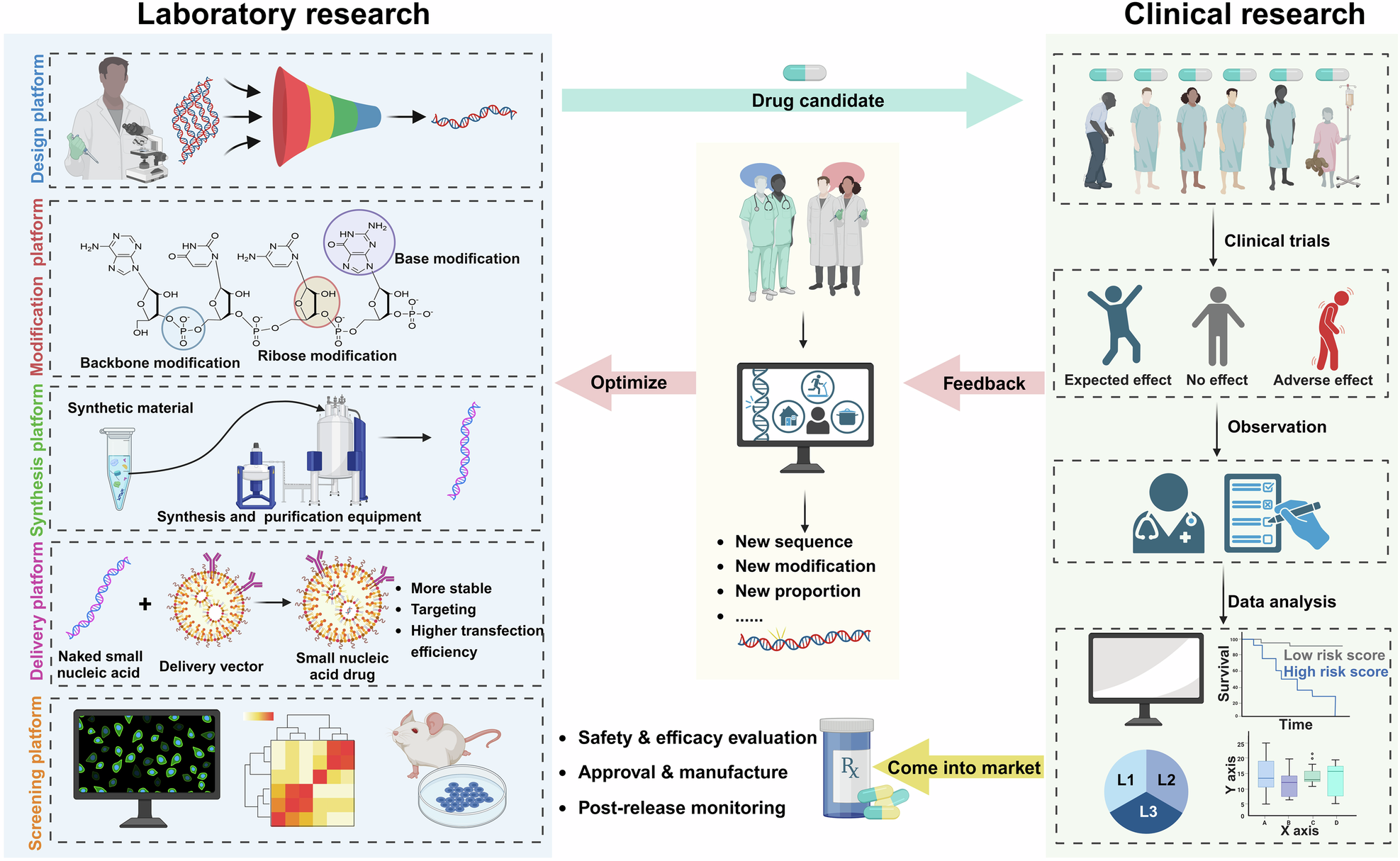
Figure 1. Translating small nucleic acid-based pharmacotherapy from bench to clinic and back
- Timeline of milestones from the discovery of small nucleic acid drugs to their clinical use (Fig.2).
A timeline highlighting crucial breakthroughs depicts the evolution from foundational research to clinical application. As the performance of antisense oligonucleotides (ASOs) has improved, the scope of therapeutic opportunities has broadened, now encompassing both rare and common diseases and virtually any delivery route. The bar graph illustrates the number of clinical trials for small activating RNAs (saRNAs), microRNAs (miRNAs), small interfering RNAs (siRNAs), and antisense oligonucleotides (ASOs) over the years. Each bar represents the beginning of enrollment recorded in the ClinicalTrials.gov database, providing a clear picture of the growing momentum in nucleic acid therapeutic research (up to the middle of 2024). RSV respiratory syncytial virus, RNA RNA interference, HCV hepatitis C virus, LNA locked nucleic acid, GalNAc N-acetylgalactosamine.
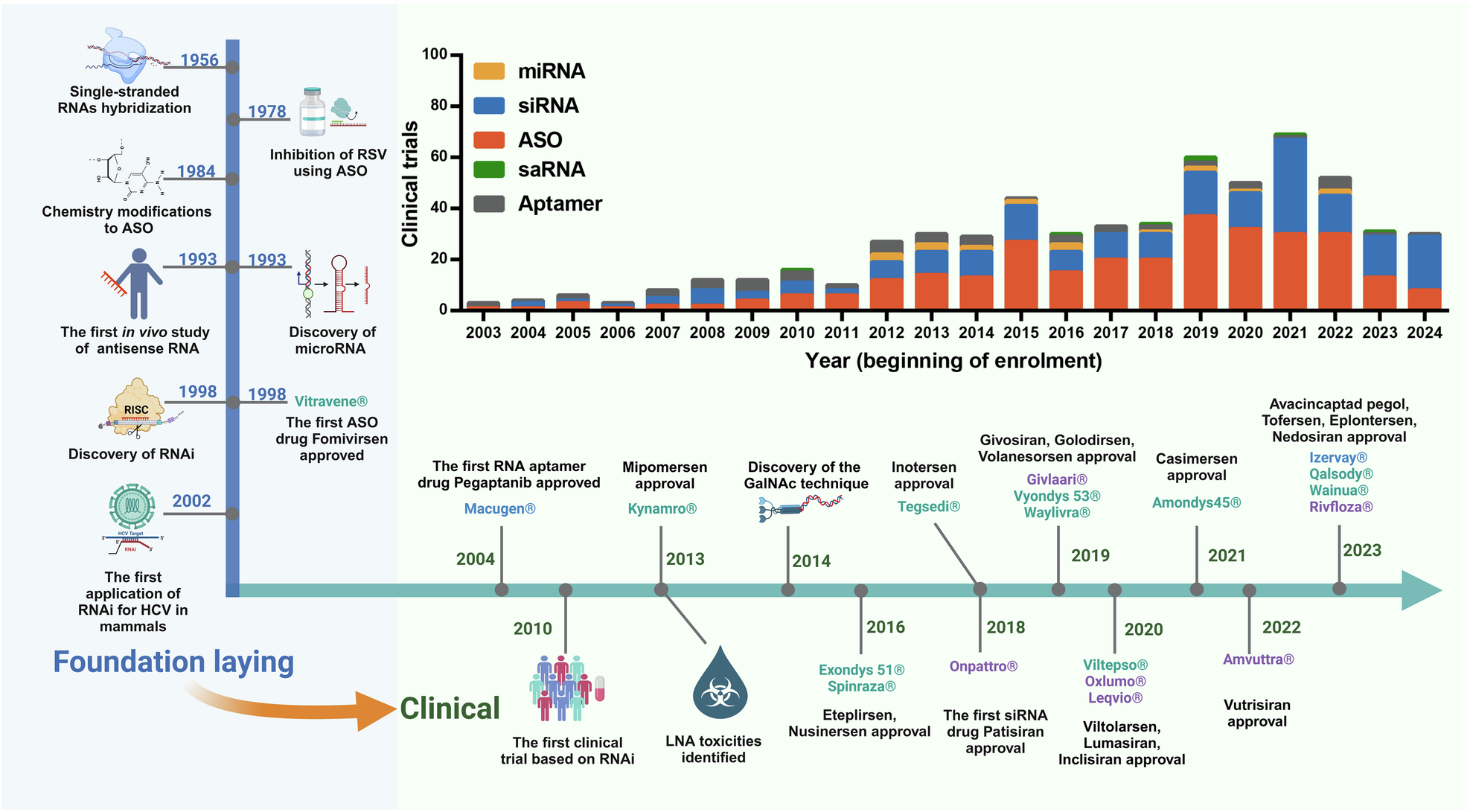
Figure 2. Timeline of milestones from the discovery of small nucleic acid drugs to their clinical use.
- The functional mechanisms of small nucleic acids (Fig.3).
The functional mechanisms of six small nucleic acids.
a ASOs: ASOs are short synthetic nucleic acid sequences that bind to complementary mRNA molecules. This binding can block the translation process or promote the degradation of the mRNA, thereby reducing the expression of the targeted protein.
b Aptamers: Aptamers are short, single-stranded nucleic acids that bind specific targets with high affinity and specificity. They function by folding into unique three-dimensional structures, allowing them to interact with proteins, small molecules, or cells effectively.
c siRNAs: siRNAs are double-stranded RNA molecules that guide the RNA-induced silencing complex (RISC) to complementary mRNA targets. This interaction leads to the cleavage and degradation of mRNAs, resulting in the silencing of specific genes.
d miRNAs: miRNAs are endogenous, single-stranded RNA molecules that regulate gene expression posttranscriptionally. They bind to complementary sequences in the 3’ untranslated regions (UTRs) of target mRNAs, typically causing translational repression or mRNA degradation, thus modulating the expression of multiple genes.
e PIWI-interacting RNAs (piRNAs) are small, single-stranded RNA molecules, approximately 24–30 nucleotides long. They interact with PIWI proteins to regulate gene expression, silence transposable elements, and maintain genome stability in germline cells.
f saRNAs: saRNAs are synthetic short RNA molecules designed to upregulate gene expression. They bind to specific promoter regions of target genes, recruiting transcriptional activators or altering the chromatin structure to increase transcriptional activity, thereby increasing the production of specific proteins.
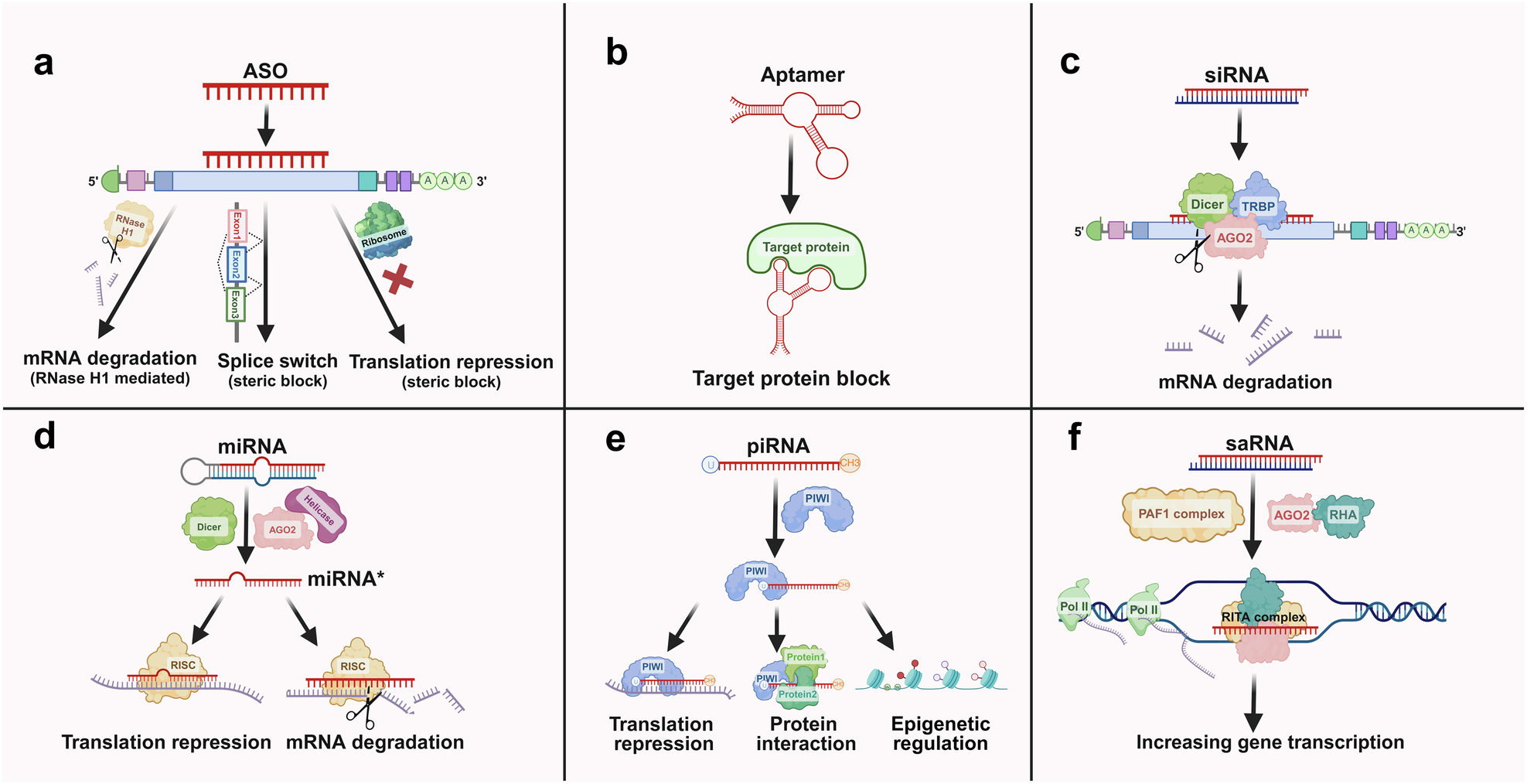
Figure 3. The functional mechanisms of six small nucleic acids.
- Chemical modifications used for small nucleic acids (Fig.4)
Common modifications can be divided into three categories: ribosome modifications, nucleobase group modifications and backbone modifications. Modifications of ribosomes are always performed on the 2’ ends of ribose sugars (blue box) and sugar chains (orange box). In modifications of the base group, uracil, adenine and cytosine are the common objects (purple box), and the ribose sugar can be completely replaced (red box). The PO linkage of the backbone can be changed, including the nonbridging O atom (cyan box), 3’-bridging O atom (green box) and total PO linkage (golden box), to reduce the net anionic charge of small nucleic acids.
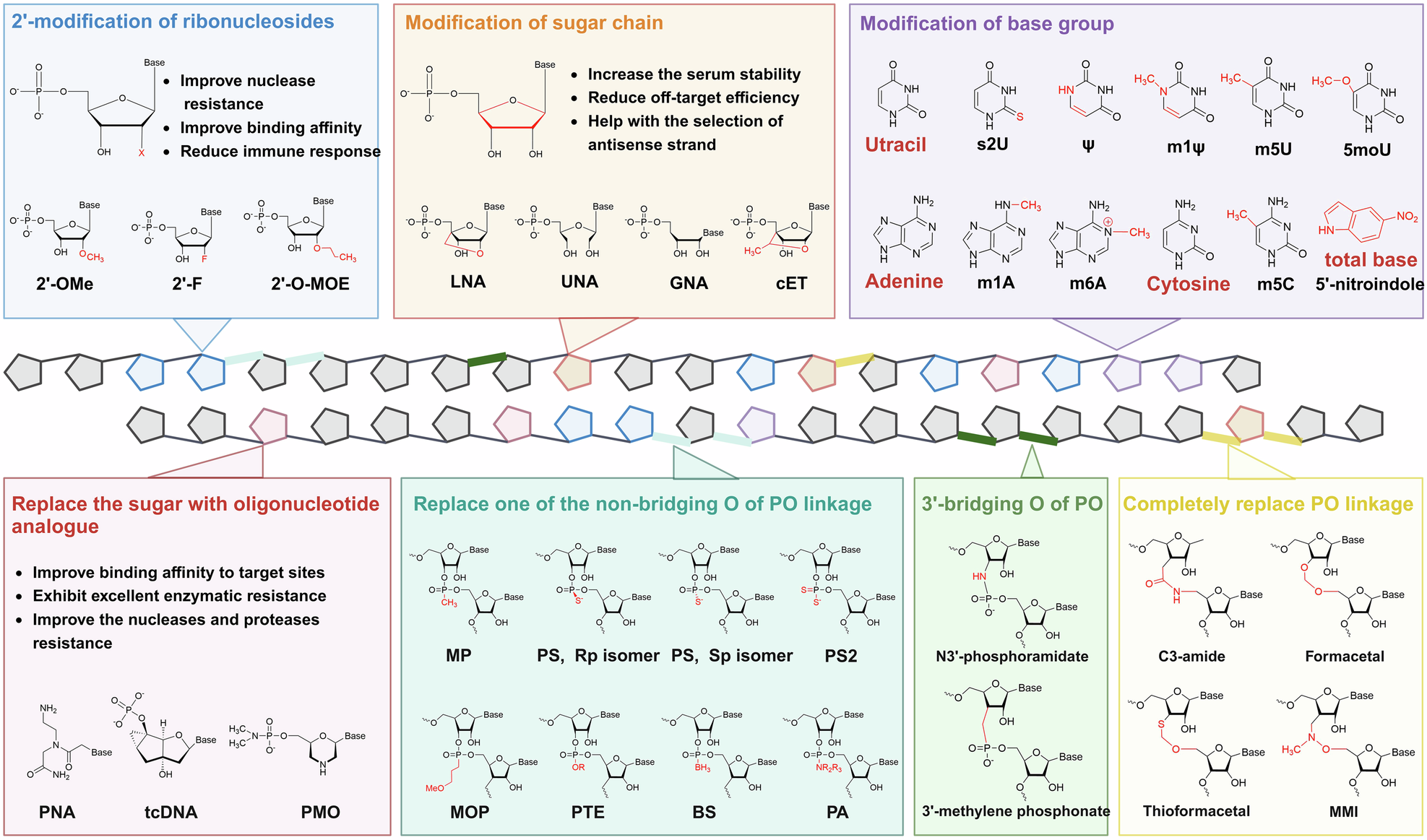
Figure 4. Chemical modifications used for small nucleic acids
- Technologies for the delivery of small nucleic acids (Fig.5 and Table 6).
The six types of common nonviral delivery vectors include lipid-based nanoparticles (LNPs), polymers, peptides, exosomes, conjugates (GalNAc) and inorganic nanoparticles. There are four major endocytosis pathways, including macropinocytosis, caveolin-mediated endocytosis, clathrin-mediated endocytosis and direct membrane fusion. c Schematic diagram of endosomal escape. After internalization, endocytic vesicles develop into early endosomes and late endosomes and subsequently fuse with lysosomes to induce lysosomal degradation. Only a small fraction (usually less than 1%) of small nucleic acids can escape from the endosome to the cytoplasm.
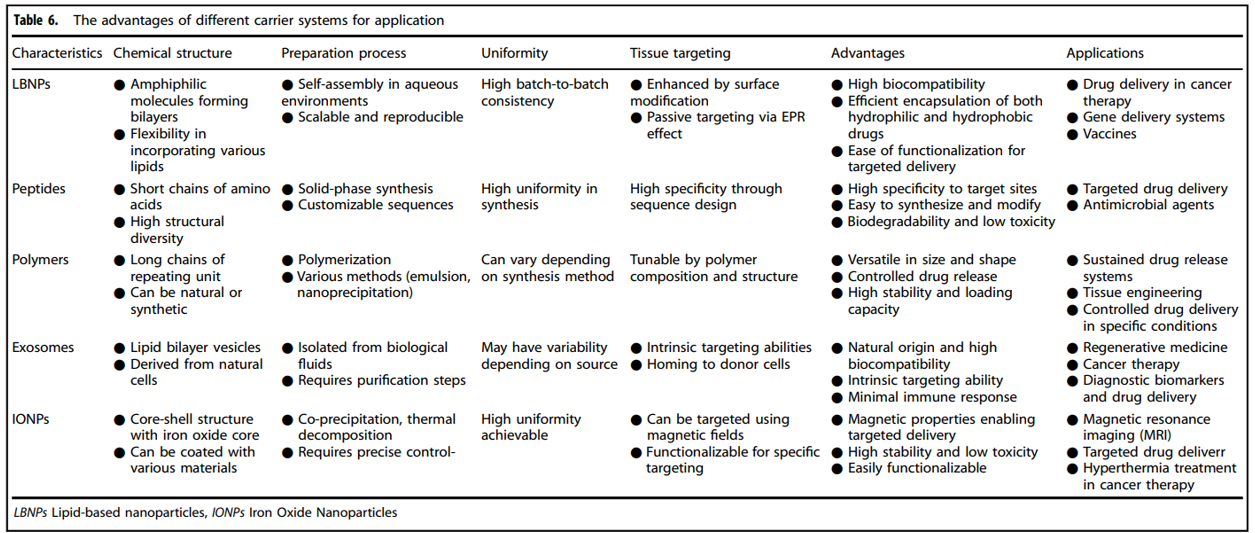
Nano-systems play a crucial role in the delivery of small nucleic acids, as they enhance the stability, targeting, and efficacy of these therapies. Each type of carrier system offers unique benefits that make it suitable for specific applications. In conclusion, leveraging the unique properties of various carrier systems can significantly enhance the effectiveness of small nucleic acid therapies, facilitating their translation from bench to clinic and back again (Table 6)
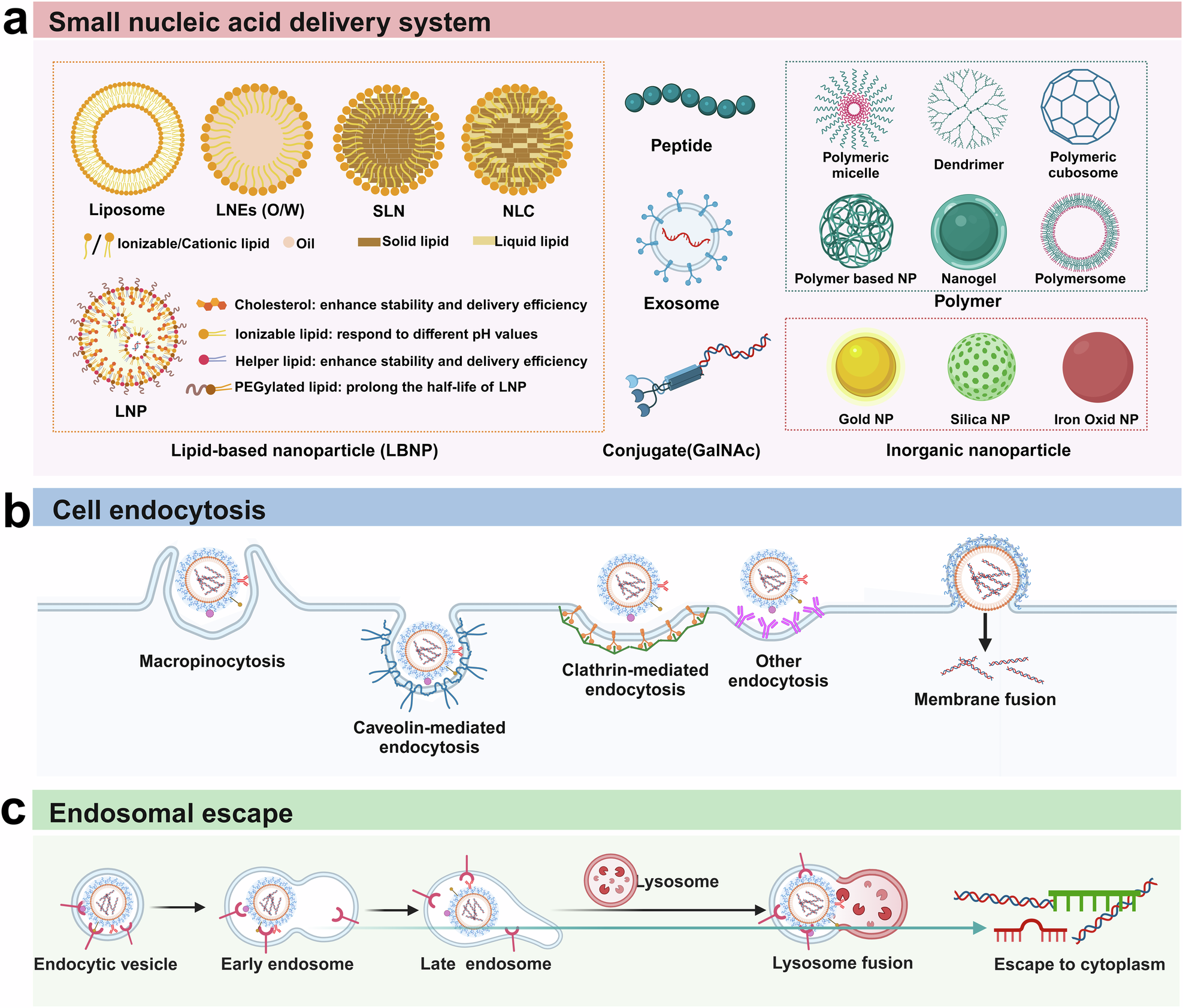
Figure 5. Technologies for the delivery of small nucleic acids.
Table 6. The advantages of different carrier system
- Characteristics of small nucleic acid drugs used in clinical trials (Fig.6 and Table 7)
Small nucleic acids represent promising therapeutic options for various diseases, and their clinical translation is advancing with the approval of multiple ASOs and siRNA drugs for clinical use (Table 7). This section reviews the clinical trial outcomes and the current status of each drug that has been approved or is in the clinical trial phase. Various administration routes for small nucleic acid drugs, including subcutaneous, intravitreal, intravenous, inhalation, and oral administration. Administration routes of small nucleic acid drugs on the market, clinical and different target organs of small nucleic acid drugs in clinical trials
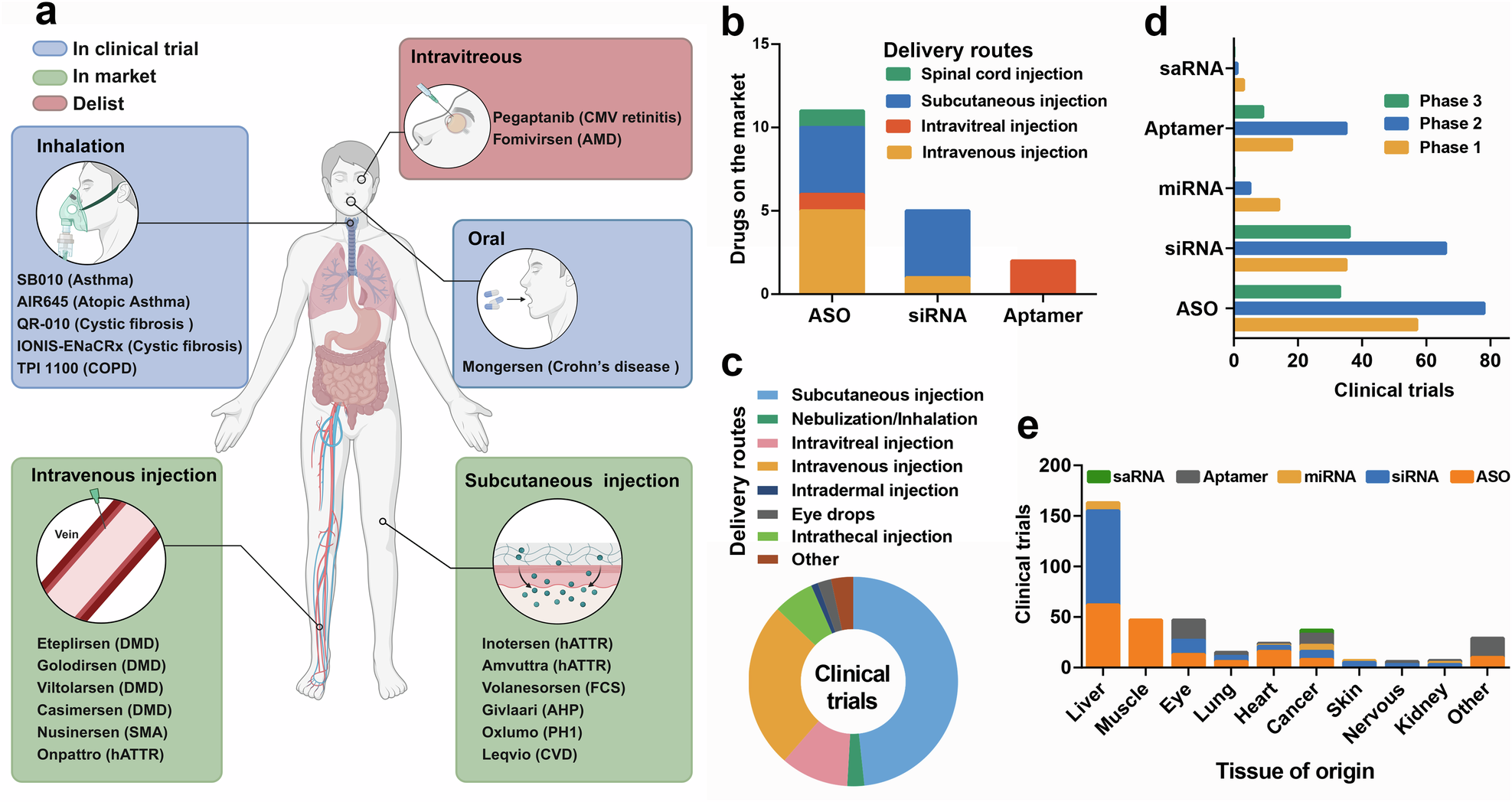
Figure 6. Summary of the characteristics of small nucleic acid drugs used in clinical trials.
Table 7. Approved small nucleic acid-based therapies
- The challenges and future directions of small nucleic acid drugs (Fig.7)
Various challenges in the development of small nucleic acid drugs persist. First, the development of new drugs is expensive and time-consuming. In addition, NPs may cause adverse immune effects, such as an inflammatory cytokine storm. Moreover, cost and regulatory challenges exist. In addition, insufficient organ and cell selectivity reduce the effectiveness of small nucleic acid drugs. Many ideas have been proposed to solve these barriers as future directions for small nucleic acid drugs. The first is the application of artificial intelligence (AI) in drug discovery. The second is improving the safety profile, which should focus on both the delivery vector and the sequence of small nucleic acids. The third is surface modifications of nucleic acid drugs for delivery to specific cell types. Finally, vectors are screened to deliver nucleic acid drugs more efficiently.
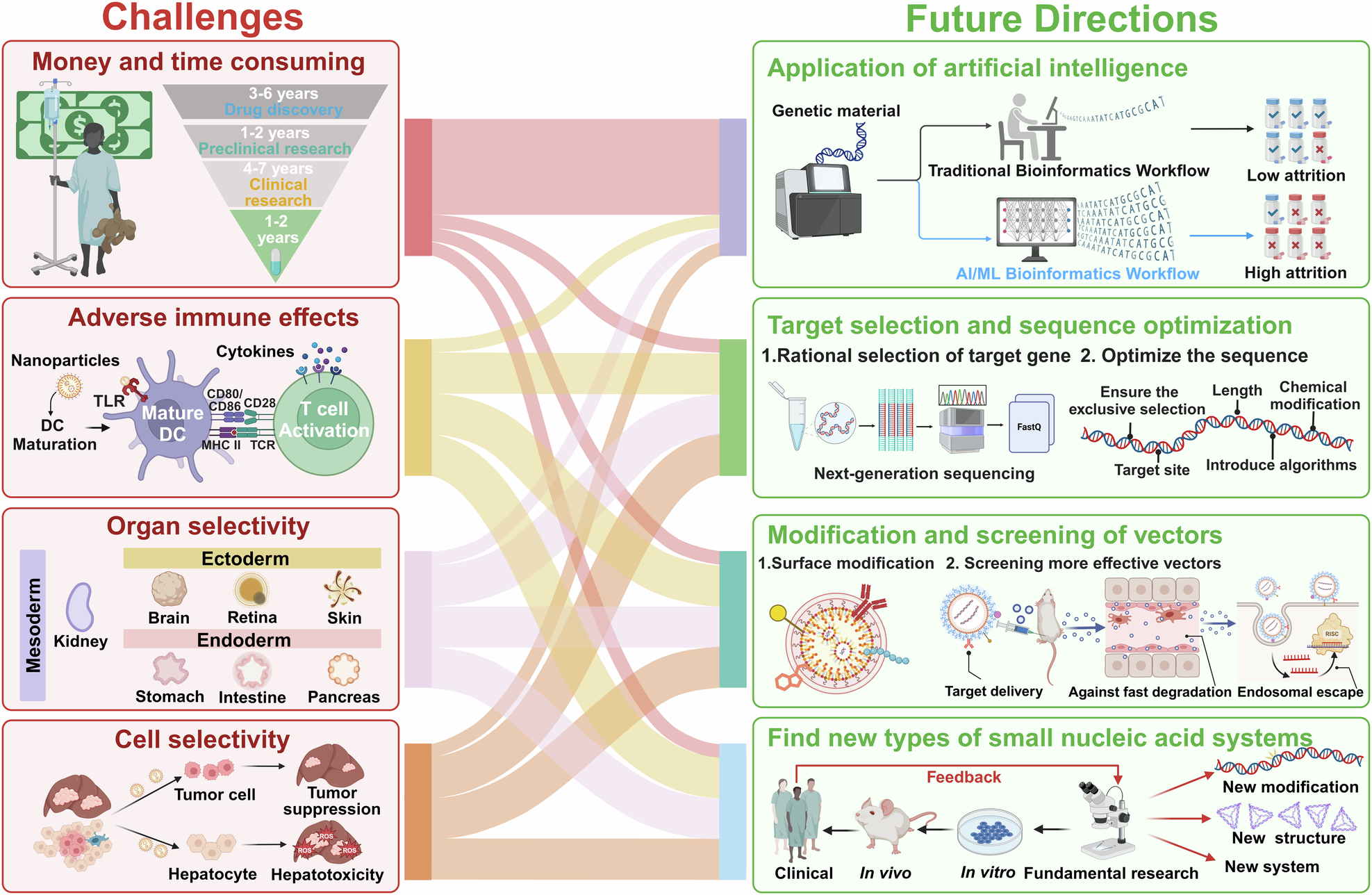
Figure 7. The challenges and future directions of small nucleic acid drugs.
Conclusion
Nucleic acid therapeutics use engineered sequences of nucleotides to selectively modulate gene expression. The most prominent nucleic acid drugs are those based on antisense oligonucleotides (ASOs), aptamers, short interfering RNAs (siRNAs) and microRNAs (miRNAs), which enhance the effects and delivery of drug materials, revolutionize precision medicine and increase the efficacy of existing pharmaceuticals. In recent years, small nucleic acid-based therapeutic modalities have expanded the platforms available for clinical oligonucleotide drug development. ASO drugs were first used on the market to control the expression of target genes.
To date, numerous well-studied nucleic acid systems have been selected for clinical therapies, shedding light on the treatment of intractable diseases. In terms of fundamental studies, the discovery of new types of small nucleic acid systems is essential. Several novel systems have been developed, with laboratory data showing encouraging results, positioning them as potential candidates for clinical trials.
Reference
Liu, M., et al., Landscape of small nucleic acid therapeutics: moving from the bench to the clinic as next-generation medicines. Signal Transduct Target Ther, 2025. 10(1): p. 73.