
Engineered UGA Suppressor tRNA: A Breakthrough in Disease-Agnostic AAV Gene Therapy
Feb 27, 2026
The 2025 nature biotechnology paper by Dan Xu et al presents An engineered UGA suppressor tRNA gene for disease-agnostic AAV delivery.
Introduction
Nonsense mutations, accounting for approximately 11% of all human pathogenic mutations, occur when a sense codon is converted into a premature termination codon (PTC)-UGA, UAG or UAA during gene transcription. This genetic alteration triggers two detrimental biological consequences: nonsense-mediated mRNA decay (NMD), which degrades the mutant mRNA, and the premature termination of full-length protein synthesis, ultimately leading to the loss of protein function. Among these PTCs, UGA stop codons generated by C to T transitions of the CGA arginine codon are the most prevalent, representing nearly 20% of all human pathogenic nonsense variants. This mutation type is widely distributed across numerous rare and ultrarare genetic diseases, posing significant challenges to clinical treatment due to the small patient population of individual diseases and the lack of universal therapeutic strategies.
Recombinant adeno-associated virus (rAAV) has emerged as a leading delivery vector in the field of gene therapy, with previous success in delivering UAG-targeting suppressor tRNAs (sup-tRNAs) for in vivo nonsense mutation suppression. However, extending this approach to UGA-targeting sup-tRNAs has long been hindered by a critical technical barrier: constitutive expression of UGA-sup-tRNA in HEK293 cells (the primary cell line for rAAV production) severely inhibits the synthesis of Rep and Cap proteins essential for rAAV packaging, resulting in extremely low vector yields. This limitation has significantly restricted the development and clinical translation of UGA-sup-tRNA therapies.
Xu et al reported an engineered UGA suppressor tRNA gene for disease-agnostic AAV delivery. This study successfully addresses the rAAV production bottleneck of UGA-sup-tRNA through rational molecular engineering, develops a disease-agnostic AAV-NoSTOP(UGA) gene therapy platform, and validates its therapeutic efficacy in multiple disease models.
Finding Highlights
- High-Efficiency UGA-Sup-tRNA Candidate (hNFS-R8/mNFS-R8) was developed.
- The cumate operator (CuO)-Cym repressor (CymR) transcriptional silencing system was developed to increasing rAAV yield to approximately 10% during rAAV production.
- Optimization of rAAV Production System and Vector Genome: CRISPR-mediated gene editing was used to construct HEK293 cell lines stably expressing CymR (represented by the M20 cell line), which further improved the packaging efficiency of UGA-sup-tRNA rAAV. The VG4 vector genome design (two CuO-hNFS-R8 cassettes in opposing orientations separated by an mCherry cassette) eliminated recombination between repeated sequences, achieving near-homogeneous vector genomes.
- Tissue-Specific Therapeutic Efficacy: Muscle-tropic MyoAAV-mediated delivery of the engineered UGA-sup-tRNA gene restored 7–17% of wild-type (WT) enzymatic activity in the heart and skeletal muscles of disease mouse models, significantly higher than the therapeutic effect in the liver. This tissue preference is attributed to the higher steady-state expression level and aminoacylation efficiency of sup-tRNA in muscle tissues.
- Disease-Agnostic and Durable Therapeutic Effects: The engineered UGA-sup-tRNA exhibited significant therapeutic efficacy in two distinct lysosomal storage disorder mouse models (IduaW401X(TGA) and Cln2R207X(TGA)) and restored target protein enzymatic activity to approximately 10% of the normal level in patient-derived fibroblasts. A single administration maintained stable therapeutic effects for at least 20 weeks, demonstrating good durability.
- Favorable Safety Profile: In wild-type mouse experiments, the UGA-sup-tRNA rAAV therapy did not cause obvious histological damage to major tissues (including heart and skeletal muscles with high sup-tRNA expression), and had no significant impact on mouse body weight and clinical blood chemistry indicators, indicating a safe therapeutic window.
Methods Description
The researchers employed a multi-step process to develop and test UGA suppressor tRNA:
Sup-tRNA Design, Screening and Functional Evaluation: based on 21 human tRNA^Arg isodecoders in the genomic tRNA database, 25 sup-tRNAArg variants (R1-R25) were constructed by mutating the anticodon to 5’-UCA-3’, including 4 variants with intronic sequences removed. Dual-luciferase reporter assay digenic PTC reporter assay was used to evaluate the UGA PTC readthrough efficiency of each variant in HEK293 cells and mouse liver by detecting the activity/expression of the reporter protein.
rAAV Production, Optimization and Characterization: traditional triple transfection method was used for initial rAAV production, and the low-cis triple transfection strategy (reducing the amount of pCis to 1-10%) was applied for preliminary optimization. CRISPR-mediated gene editing was used to integrate the CymR gene into the AAVS1 locus of HEK293 cells to construct stable cell lines.
Establishment and Treatment of Animal Disease Models: CRISPR-Cas9 gene editing technology was used to construct the IduaW401X(TGA) knock-in mouse model on the C57BL/6J background, and the commercially available Cln2R207X(TGA) mouse model was purchased and bred in-house. rAAV9 or MyoAAV vectors carrying the engineered UGA-sup-tRNA gene were intravenously administered to the model mice at a dose of 3.5×10¹² vector genomes per mouse.
Detection of Enzymatic Activity and mRNA Level: IDUA and TPP1 enzymatic activity assays were performed using fluorogenic substrate methods, with the relative enzymatic activity normalized to the wild-type mouse tissue/fibroblast levels (defined as 100%).
Sup-tRNA Expression and Aminoacylation Efficiency: total RNA was extracted from mouse tissues using TRIzol, and mature tRNAs were isolated by 8% TBE–urea PAGE. Aminoacylated and uncharged tRNAs were distinguished by periodate oxidation and β‑elimination. Sup-tRNA expression (normalized to CCT‑4) and aminoacylation efficiency were quantified by adaptor ligation and nanopore sequencing.
Safety Assessment: Major mouse tissues were analyzed by H&E staining for histological damage. Mouse body weight was monitored, and serum biochemistry (rodent expanded tox panel) was measured to comprehensively evaluate therapy safety.
Key Results and Figure Interpretation
1.Identification of Optimal UGA-Sup-tRNA Construct (Fig. 1)
Among 25 sup-tRNAArg variants screened by dual-luciferase assay, R8 showed the highest UGA PTC readthrough. Potential transcription interference was found between the U6 promoter and endogenous tRNA promoter. The team then compared U6-R8 with R8 containing natural flanking sequences (hNFS-R8/mNFS-R8).
In HEK293 cells, hNFS-R8 and mNFS-R8 yielded much higher PTC readthrough than U6-R8. Mouse hydrodynamic injection confirmed this trend: hNFS-R8 and mNFS-R8 restored ~40% and ~30% WT GLuc activity, versus only ~15% for U6-R8 (Fig. 1c). Western blot and IHC of liver tissue validated these results (Fig. 1d and e). Thus, R8 with natural flanking sequences was selected as the optimal sup-tRNA, and 2xhNFS-R8 was used for further studies.
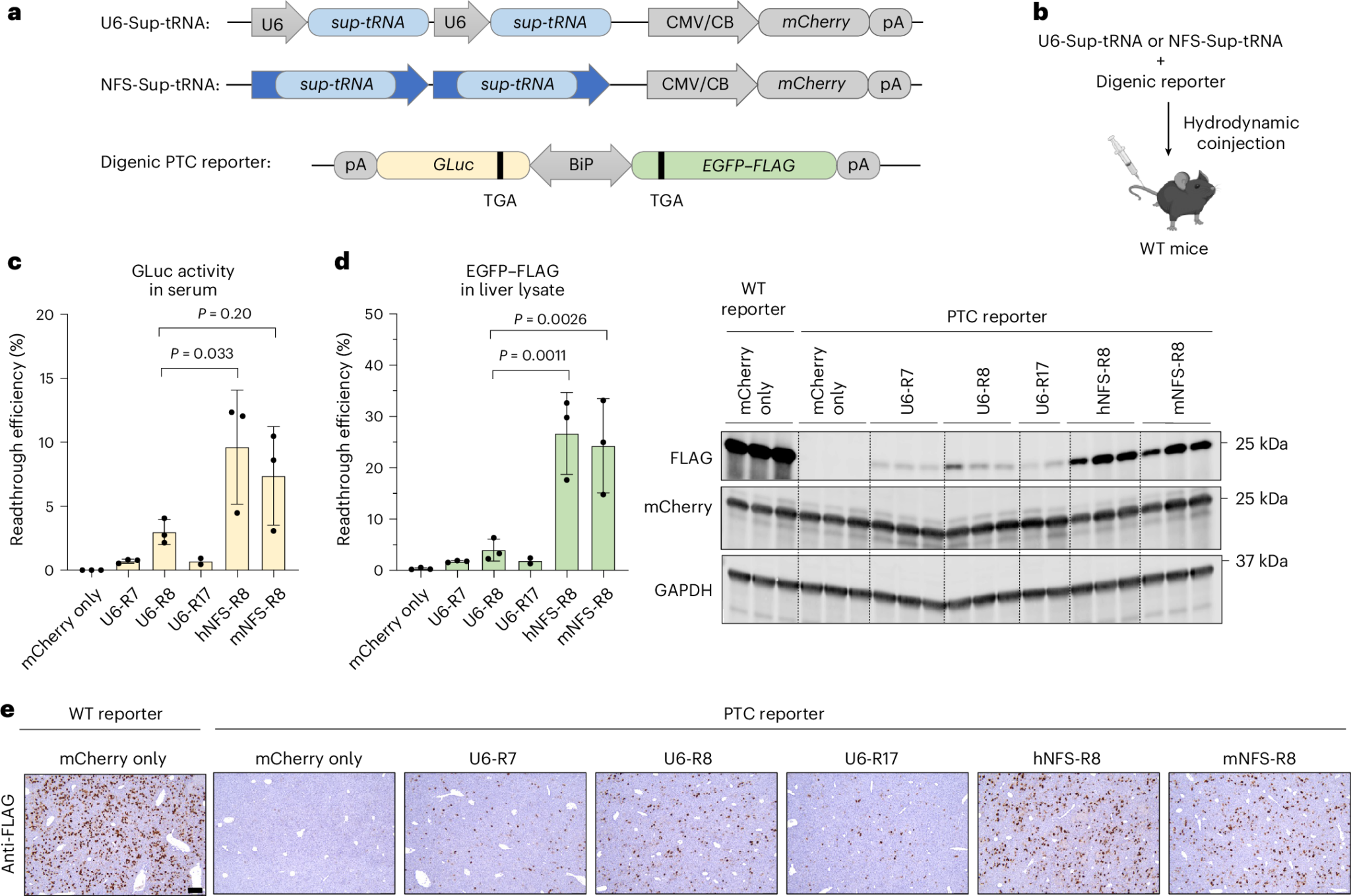
Figure 1 An NFS context augments UGA-sup-tRNAArg potency
2.CuO-CymR System Rescues rAAV Production (Fig. 2)
Based on the transcriptional regulation mechanism of tRNA, the research team inserted the CuO operator near the transcription start site (TSS) of sup-tRNA and co-expressed the CymR repressor, which forms a steric hindrance to block the recruitment of transcription factors and Pol III, thereby silencing sup-tRNA expression (Fig. 2a).
CuO-CymR system reduced the steady-state level of UGA-sup-tRNA by more than 80% (Fig. 2d) and significantly inhibited the PTC readthrough function of sup-tRNA in HEK293 cells (Fig. 2b,c). This system effectively restored the expression of Rep and Cap proteins (Fig. 2f) and increased the rAAV yield to approximately 10% of the normal level (Fig. 2g).
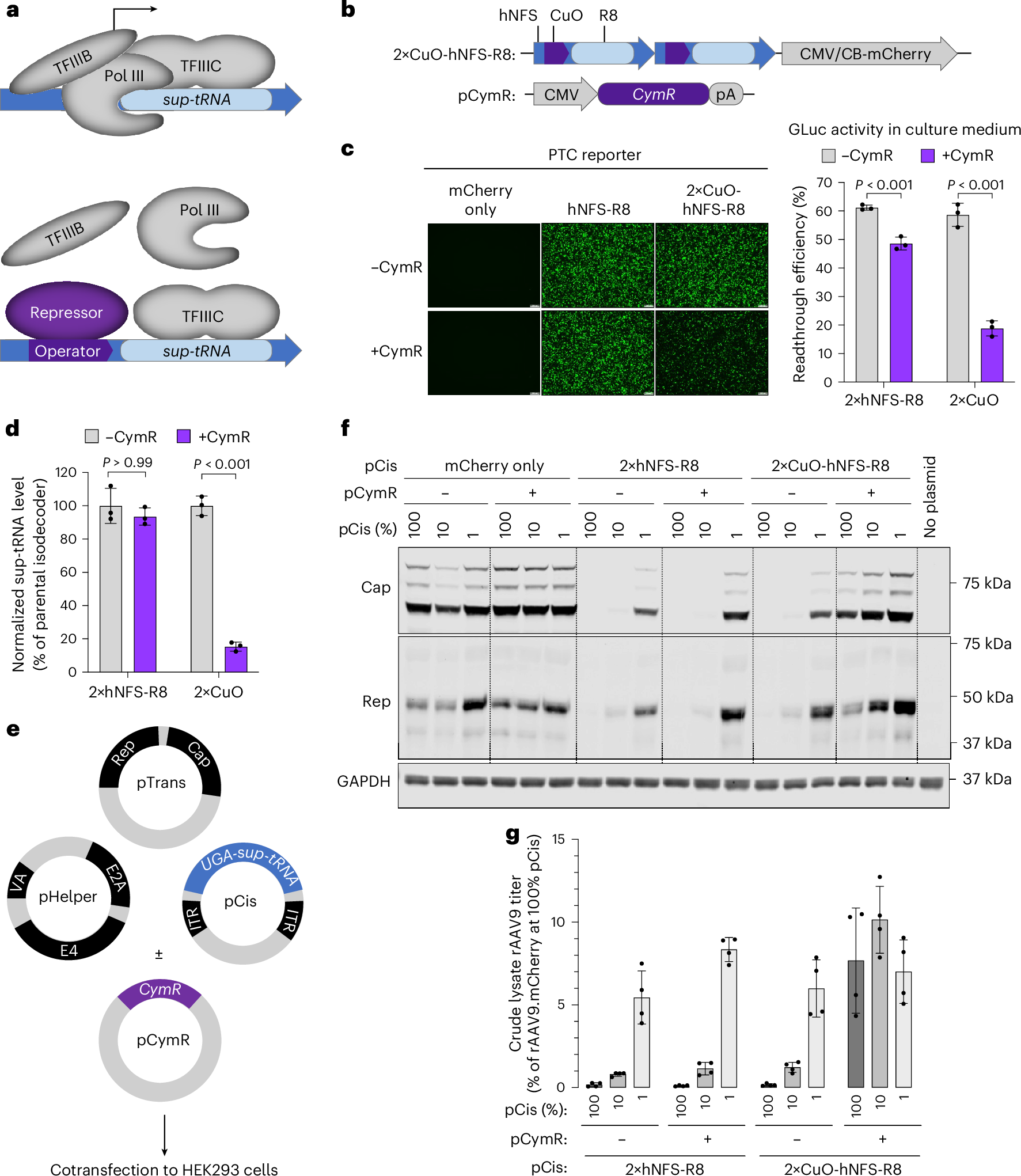
Figure 2 CuO-CymR improves rAAV packaging by suppressing sup-tRNA function.
3.Optimization of Stable Cell Lines and Vector Genome (Fig. 3)
Four cell lines (M3, M6, M13, M20) significantly improved the titer of rAAV9.2xCuO-hNFS-R8, among which the M20 cell line had the best performance (Fig. 3a) and was selected for large-scale rAAV production.
Adding the pCymR plasmid during transfection led to two drawbacks: low-level encapsidation of CymR DNA into rAAV and exacerbated vector genome recombination (Fig. 3b and c). VG4, which positioned two CuO-hNFS-R8 cassettes in opposing orientations and separated by the mCherry cassette, completely eliminated recombination products between repeated sequences, achieving near-homogeneous full-length vector genomes (Fig. 3d and e).
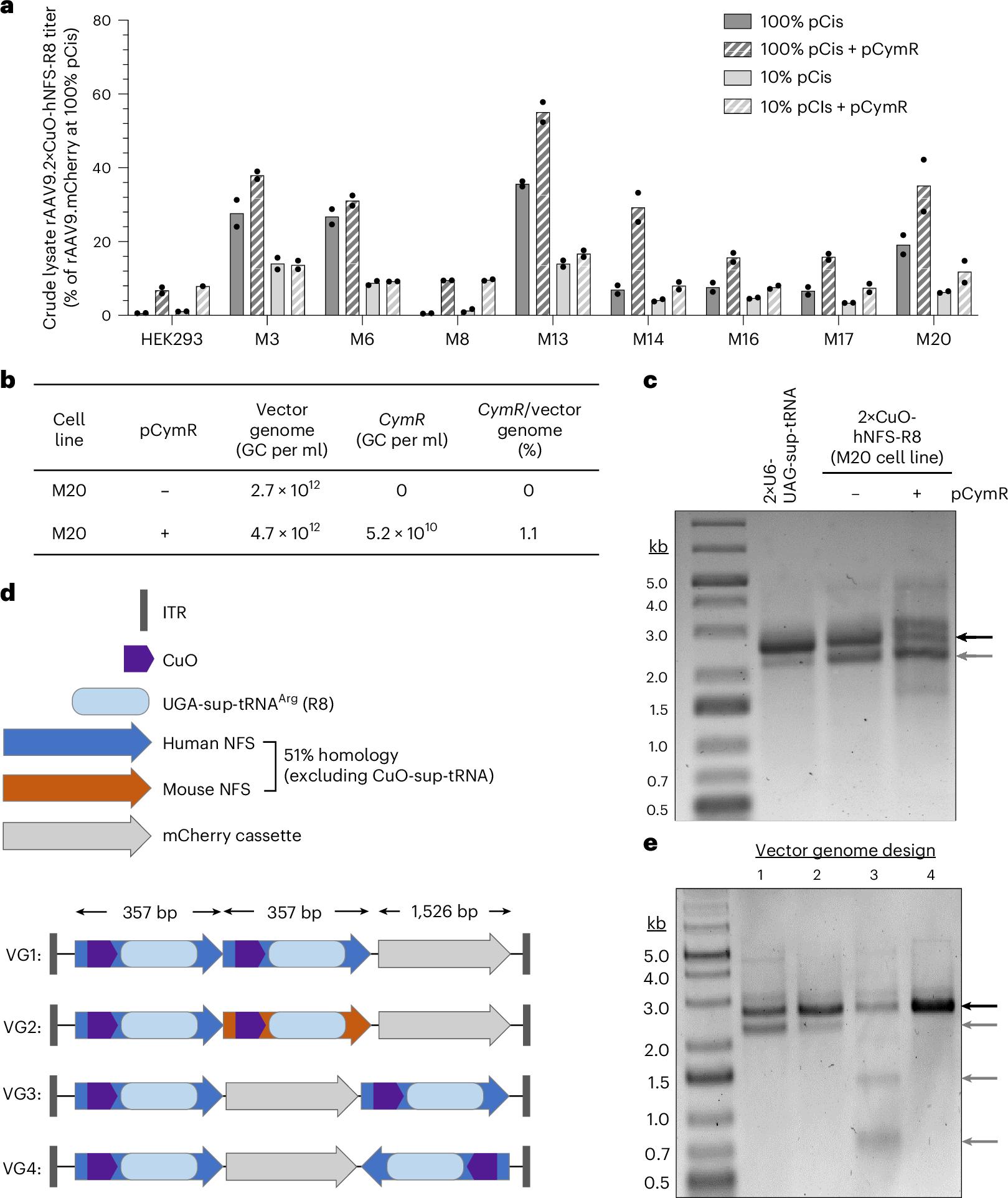
Figure 3 Optimization of rAAV yield, purity, and vector genome homogeneity.
4.Tissue-Specific Therapeutic Efficacy in Disease Mouse Models (Fig. 4)
A single intravenous administration of rAAV9.2xCuO-hNFS-R8(VG4) restored only 1.4% of WT IDUA activity in the mouse liver, and the efficacy in the heart and skeletal muscles was even lower (≤0.5%) (Fig. 4b). In contrast, MyoAAV-mediated delivery of the same construct restored 7–17% of WT IDUA activity in the heart and skeletal muscles (quadriceps, TA muscle) (Fig. 4c) and significantly inhibited NMD to restore Idua mRNA levels (Fig. 4d). Further detection revealed that MyoAAV had lower delivery efficiency in the liver than rAAV9 (Fig. 4e), which was the main reason for the low liver efficacy.
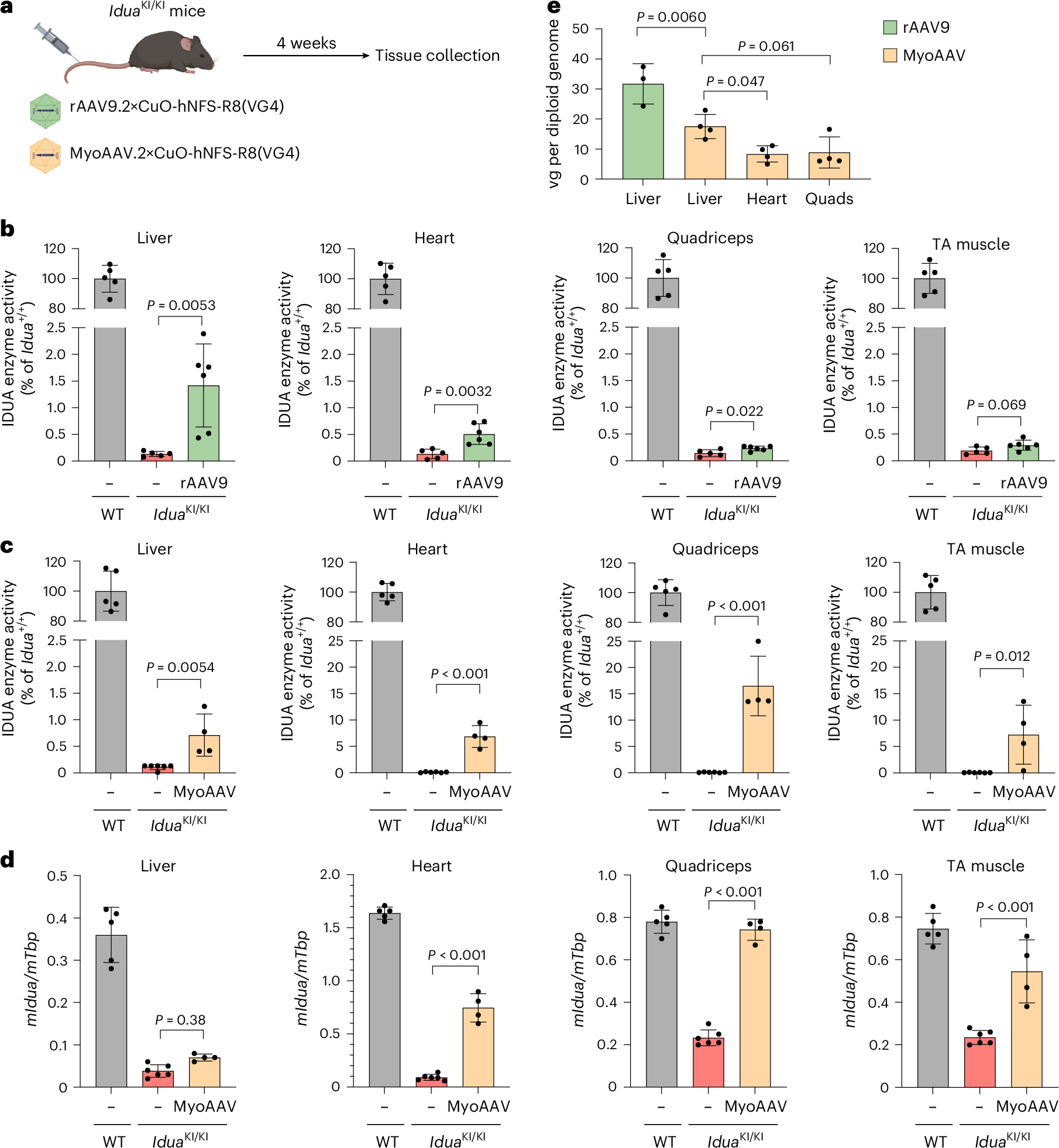
Figure 4 AAV-NoSTOP(UGA) restores IDUA activity in IduaKI/KI mice
5.Tissue Preference of Sup-tRNA Function (Fig. 5)
The results showed that the steady-state expression level of sup-tRNA in the heart and quadriceps was significantly higher than that in the liver (normalized to parental isodecoder or total CCT isodecoders) (Fig. 5b). Although the anticodon mutation reduced the aminoacylation efficiency of sup-tRNA compared with the parental isodecoder, the aminoacylation efficiency of sup-tRNA in the heart and quadriceps was still significantly higher than that in the liver (Fig. 5c). In addition, the parental isodecoder CCT-4 also showed the same tissue-specific expression and aminoacylation pattern (Fig. 5c,d), suggesting that the performance of sup-tRNA in different tissues can be predicted by its parental tRNA.
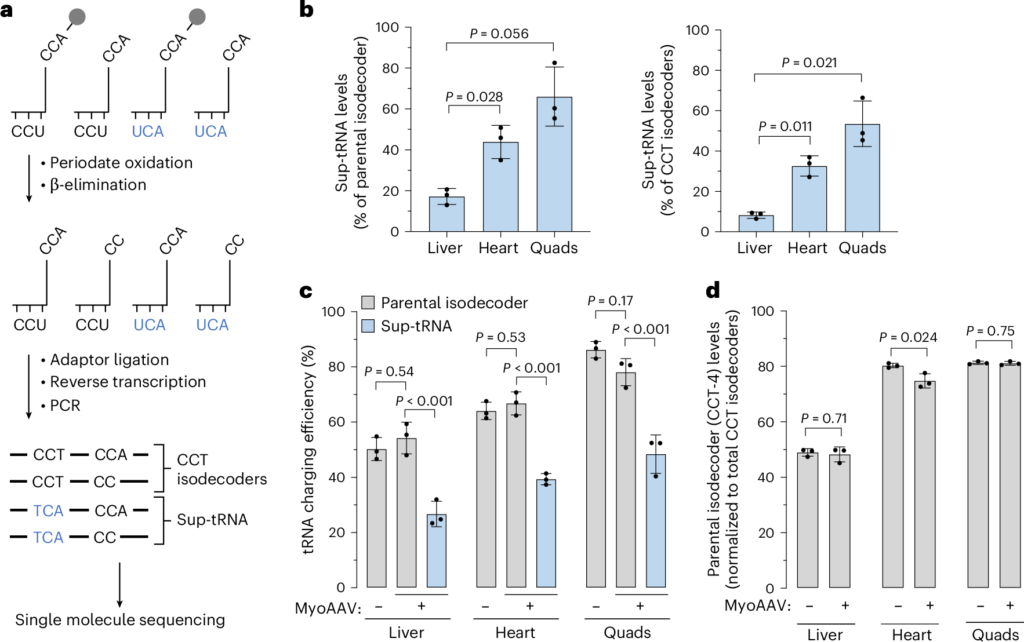
Figure 5 Sup-tRNA expression level and charging efficiency across various tissues.
6.Validation of Disease-Agnostic Therapeutic Potential (Extended Data Fig. 10)
The engineered UGA-sup-tRNA was tested in Cln2R207X(TGA) mice to validate its disease-agnostic effect. MyoAAV delivery restored 7-12% of WT TPP1 activity in heart and skeletal muscle, inhibited NMD, and rescued Tpp1 mRNA levels (Fig.6 a-c). In CLN2 patient fibroblasts, lentiviral CuO-hNFS-R8 restored TPP1 activity to 11% of normal (Fig.6 d, e). These results confirm the broad therapeutic potential of this UGA-sup-tRNA for UGA nonsense mutation diseases.
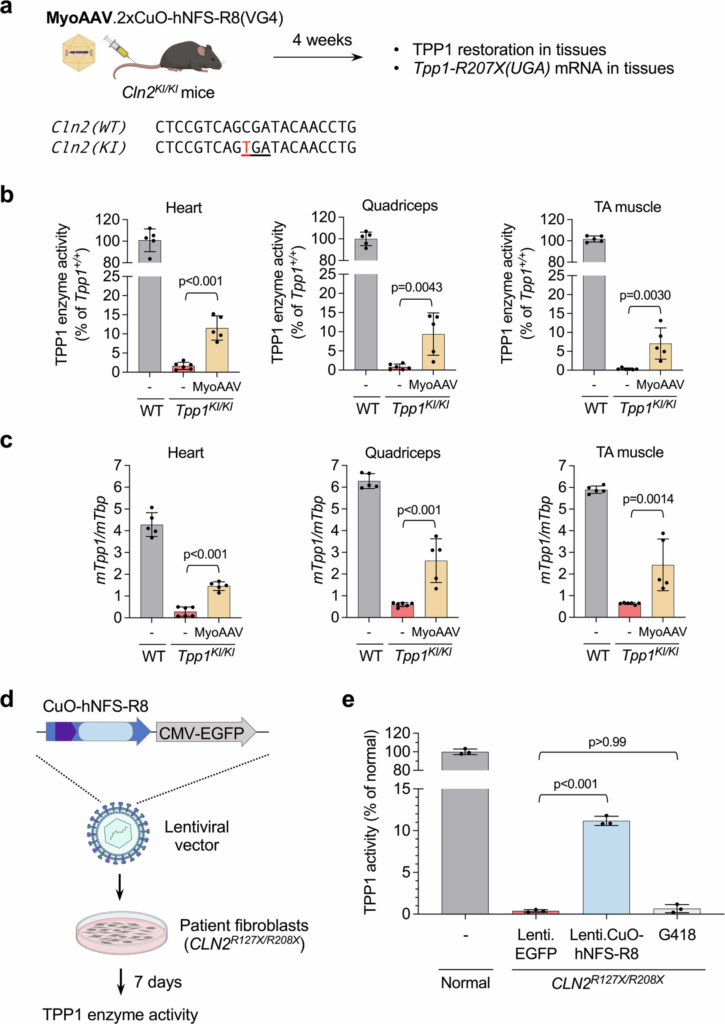
Figure 6 AAV-NoSTOP(UGA) restores TPP1 activity in Cln2-R207X(TGA) mice and in patient-derived fibroblasts.
Conclusion
Xu et al. report a major breakthrough in nonsense mutation gene therapy, overcoming the longstanding bottleneck of UGA‑sup‑tRNA rAAV production. By optimizing tRNA engineering, rAAV production, and vector design, they established the AAV‑NoSTOP(UGA) platform. Key innovations include the high‑efficiency R8 sup‑tRNA with natural flanking sequences, a CuO‑CymR silencing system to restore rAAV yield, and improved stable cell lines for uniform vector production.
The engineered UGA‑sup‑tRNA showed durable, muscle‑preferred therapeutic efficacy in two lysosomal storage disease mouse models and restored target enzyme activity in patient fibroblasts, due to superior tRNA expression and aminoacylation in muscle. The therapy exhibited favorable safety in wild‑type mice, supporting clinical translation.
This work broadens sup‑tRNA gene therapy and provides a scalable, one‑size‑fits‑many strategy for ~20% of genetic diseases driven by UGA nonsense mutations, including rare disorders. Future directions include enhancing readthrough, refining AAV tropism, and addressing immunity for repeated dosing. The transcriptional silencing system can be extended to other sup‑tRNAs and tRNA‑based therapies. Overall, this study advances nonsense mutation therapy and offers new hope for affected patients.
Reference
Xu, M., Liu, H., Wang, J. et al. An engineered UGA suppressor tRNA gene for disease-agnostic AAV delivery. Nat Biotechnol (2026). https://doi.org/10.1038/s41587-025-02982-5