
In vivo generation of CAR T cells: biology, delivery platforms, clinical promise, and translational challenges
June 26, 2026
The 2026 Blood Immunology & Cellular Therapy by Volta, L., et al., researches In vivo generation of CAR T cells: biology, delivery platforms, clinical promise, and translational challenges.
Introduction
The in vivo generation of chimeric antigen receptor (CAR) T cells represents a potentially transformative advancement in adoptive immunotherapy, offering a promising alternative to conventional ex vivo manufacturing. By delivering CAR transgenes directly into circulating T cells within the patient’s body, this approach aims to streamline treatment logistics, reduce production costs, and broaden accessibility. A variety of gene delivery platforms are under active investigation, including viral vectors such as lentivirus and adeno-associated virus, as well as nonviral systems such as lipid nanoparticles. These technologies are being optimized to enhance the specificity, efficiency, and safety of gene transfer. Several challenges will arise as in vivo CAR T-cell generation is translated to the clinic. These include relatively novel risks such as specificity (risk of off-target genetic modification) and efficiency (low number of genetically modified cells), along with more conventional risks such as redirection of T cells against undesired targets and long-term depletion of healthy cellular counterparts. Strategies under development to mitigate these concerns include the use of transient expression systems (eg, messenger RNA), targeted delivery mechanisms to minimize off-target activity, and the incorporation of immune evasive features to reduce vector clearance. Additionally, ensuring compatibility with scalable and good manufacturing practice–compliant manufacturing pipelines is essential for clinical development. Ongoing preclinical research is focused on refining delivery precision, minimizing adverse immune responses, and establishing long-term safety profiles. If these efforts prove successful, in vivo CAR T-cell therapies could overcome many of the current limitations of ex vivo approaches and redefine the landscape of cell-based cancer treatment by offering more accessible treatment options.
Finding Highlights
- The in vivo generation of chimeric antigen receptor (CAR) T cells represents a potentially transformative advancement in adoptive immunotherapy, offering a promising alternative to conventional ex vivo manufacturing.
- A variety of gene delivery platforms are being optimized to enhance the specificity, efficiency, and safety of gene transfer.
- Ensuring compatibility with scalable and good manufacturing practice–compliant manufacturing pipelines is essential for clinical development.
Key Results and Figure Interpretation
- Ex vivo CAR T-cell therapy (Fig.1 and Fig.2).
To date, 7 CAR T-cell therapies directed against either CD19 or B-cell maturation antigen have been approved for clinical use in the United States, summarized in Figure 1.
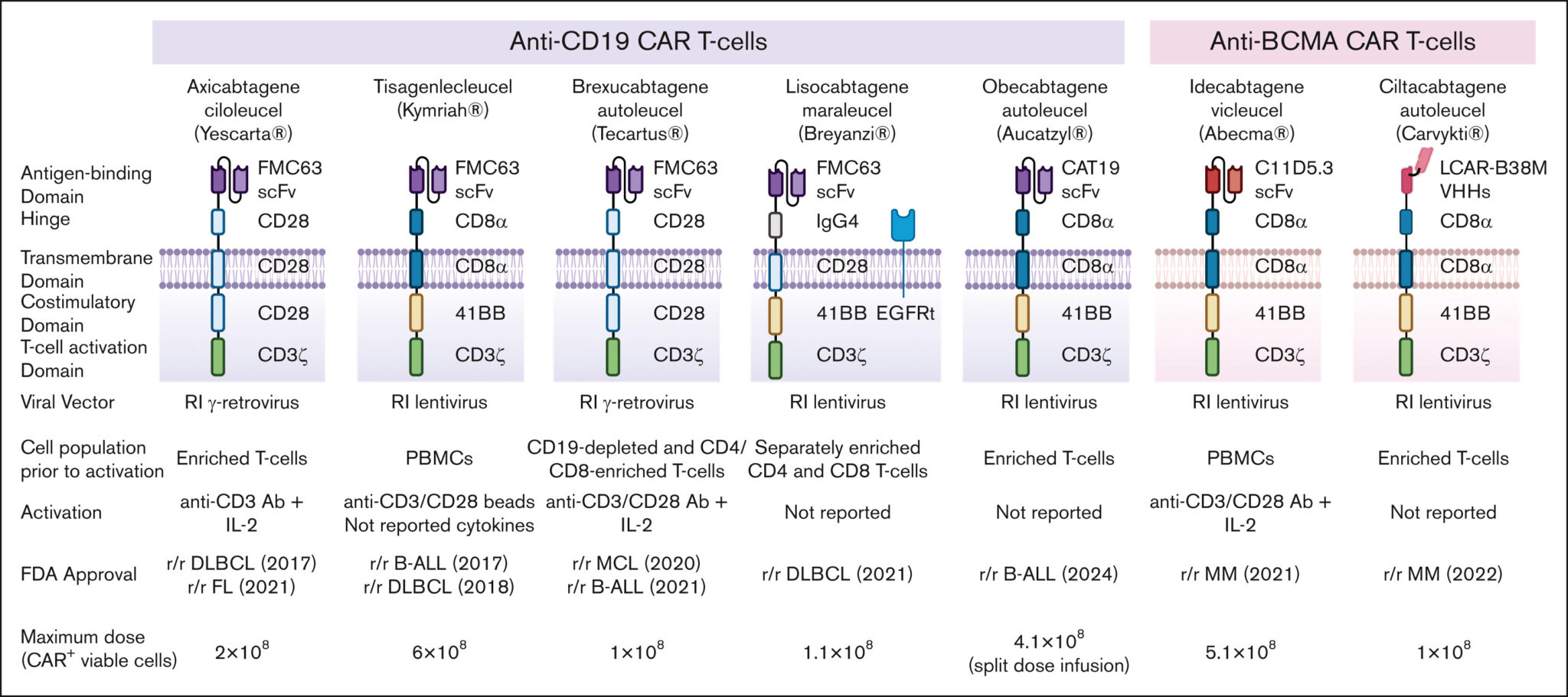
Figure 1. Clinically approved CAR T-cell products.
All currently approved CAR T-cell therapies rely on an ex vivo manufacturing process in centralized manufacturing facilities (Figure 2A). Autologous T-cells are first collected from the patient through leukapheresis in a clinical setting, and the specific population of interest is further enriched from the leukapheresis product. Selected cells undergo activation, typically using antibodies that target CD3 and CD28, along with cytokine supplementation to promote cell proliferation, and are genetically modified using γ-retroviral or lentiviral vectors to introduce the CAR transgene. After transduction, the cells are expanded in culture to produce a therapeutic dose. Upon completion of quality control and release testing, the engineered cells are cryopreserved and returned to the clinical site for administration. The interval between T-cell collection and reinfusion, known as the “vein-to-vein” time, typically ranges from 6 to 12 weeks. During this period, patients with aggressive disease may require bridging therapy to maintain disease control. Before CAR T-cell infusion, patients receive a lymphodepleting chemotherapy regimen, typically fludarabine and cyclophosphamide, designed to eliminate endogenous lymphocytes that compete for homeostatic cytokines or exert immunosuppressive effects, such as regulatory T cells. This preparative strategy reduces immune mediated barriers, creating a more permissive environment that supports CAR T-cell engraftment, expansion, and persistence in vivo.
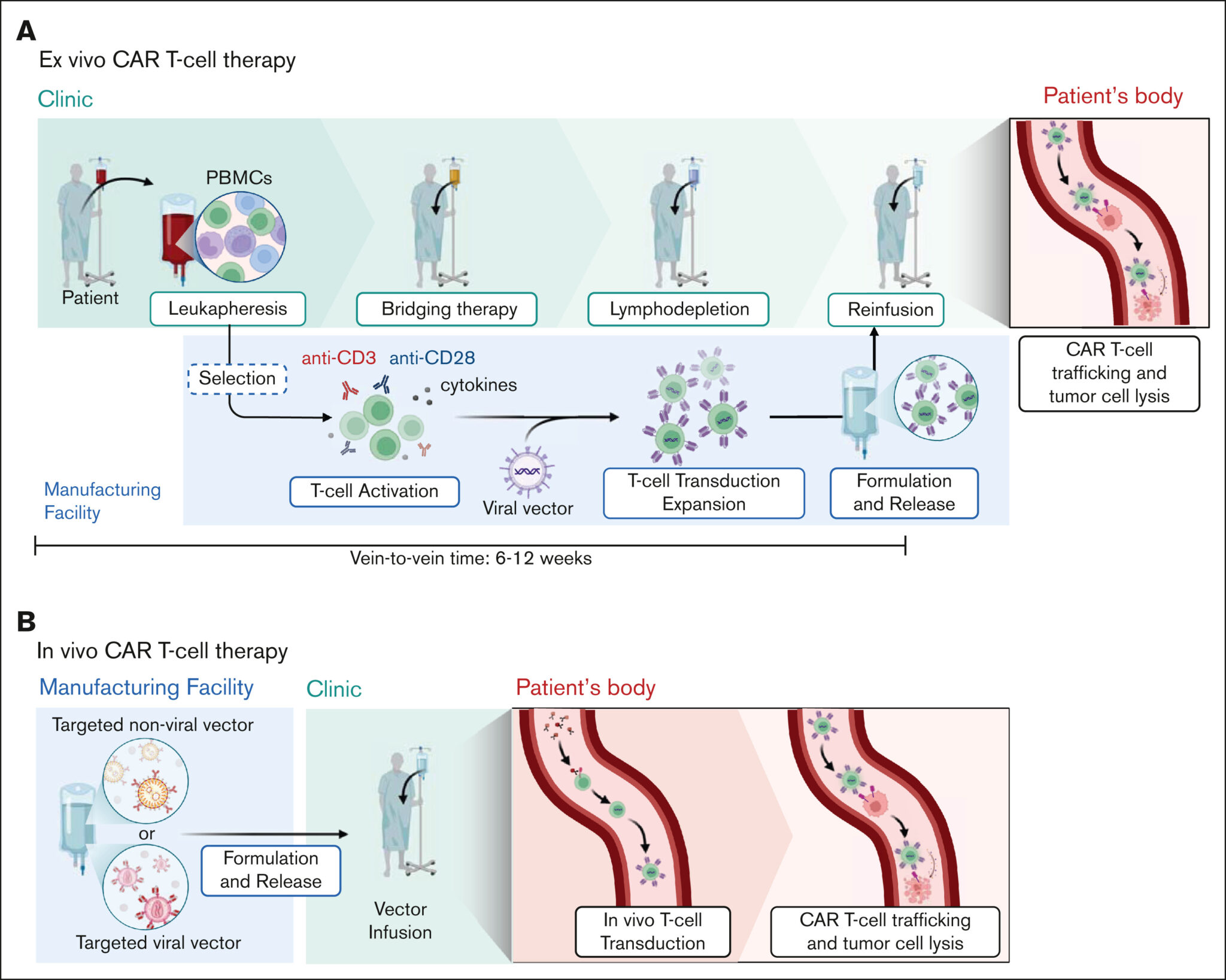
Figure 2. Schematic of ex vivo vs in vivo CAR T-cell therapy.
- Surface-engineered vectors for receptor-targeted gene delivery (Table 1).
In the context of in vivo CAR T-cell therapy, ensuring that gene delivery is restricted to T-cells is critical to prevent off-target transduction. Therefore, the specificity of any newly developed T-cell-targeted vector must be rigorously evaluated. One promising strategy involves receptor-targeted vector design, wherein viral or nonviral carriers are engineered to bind surface molecules that are uniquely or predominantly expressed on T-cells, such as the TCR, CD3, CD4, CD5, CD7, or CD8. This approach confers selectivity at the level of cellular entry, enabling specific (or at least preferential) transduction of cells expressing the intended receptor. Several preclinical platforms are currently under investigation for in vivo CAR T-cell generation. These include viral vectors, such as lentivirus (LV) or adeno-associated virus (AAV), as well as nonviral vectors, like LNPs and polymer-based nanoparticles, each offering distinct advantages and challenges with respect to efficiency, persistence, and safety (Table 1).
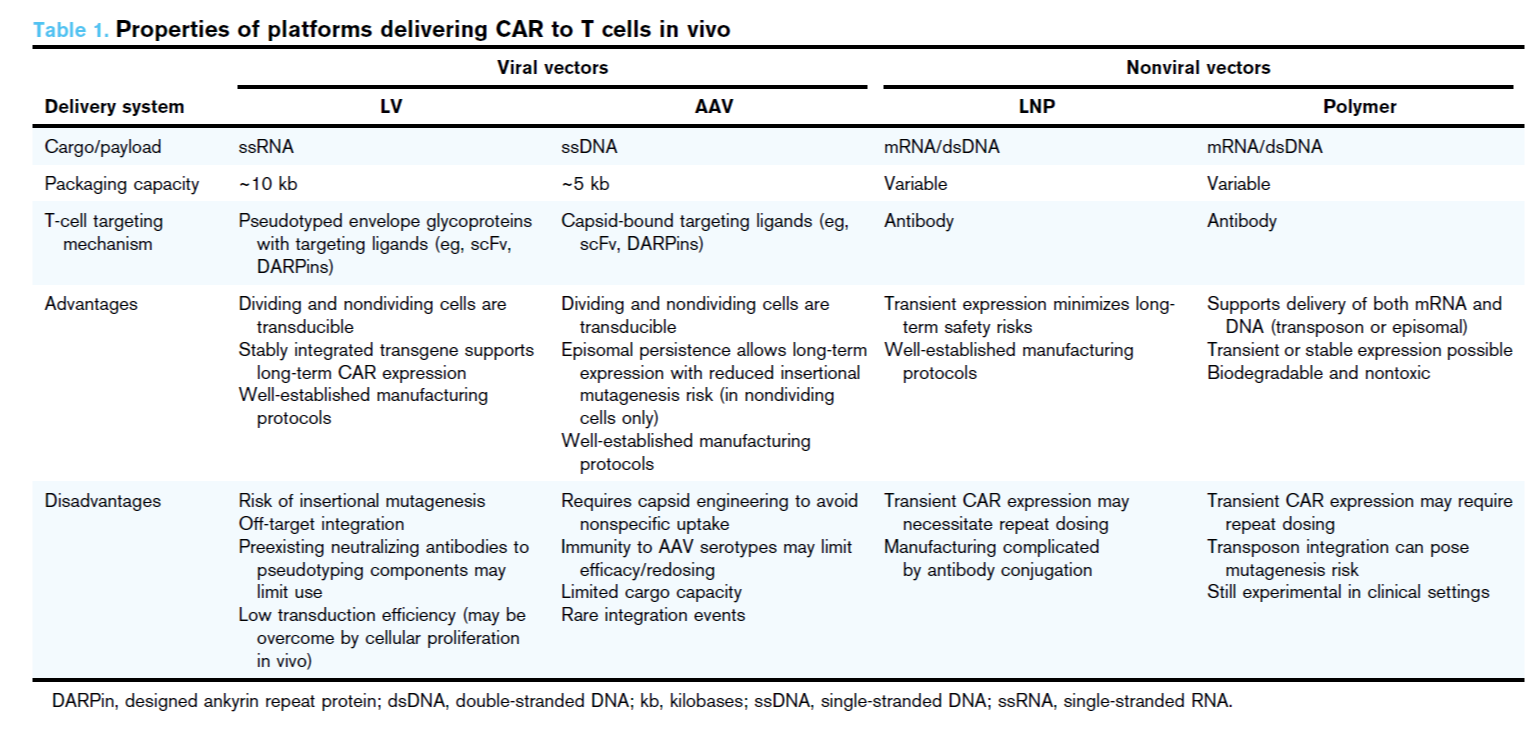
Table 1. Properties of platforms delivering CAR to T cells in vivo
- Lentiviral vectors (Fig.3).
CAR therapy mostly relies on lentiviral or retroviral vectors for ex vivo transduction. Lentiviral vectors lead to stable integration and expression of the CAR transgene that is carried in the form of single-stranded RNA in the virions (Figure 3A). When T-cells are transduced ex vivo to prepare CAR T cells, LVs are usually pseudo typed with the vesicular stomatitis virus glycoprotein (VSVG), which binds to the low-density lipoprotein receptor (LDL-R), mediating both receptor binding and membrane fusion. LDL-R expression is broad, making it efficient for the engineering of purified cell populations. However, in vivo applications in which the virus is administered systemically would expose many cell types to transduction. Engineering of LV-incorporated envelope proteins for receptor targeting involves a step-wise approach consisting of the abrogation of the native viral attachment function, followed by the expression of a targeting ligand (binder), either fused to, or independent of, the envelope, to confer T-cell specificity. To prevent natural viral tropism, several strategies have been pursued. For instance, single amino acid substitutions in the VSV-G, such as K47Q, R54A, or I182E disrupt native receptor binding. The redirected tropism is then achieved through incorporation of anti– T-cell binders, in the form of scFvs, nanobodies, or designed ankyrin repeat proteins, which engage specific T-cell surface molecules (eg, CD3, CD4, or CD8). At the same time, the pseudotyped glycoprotein machinery enables membrane fusion once the target is engaged. In addition to the vesiculovirus glycoprotein VSV-G and cocal-G (a glycoprotein closely related in structure to VSV-G), both of which perform receptor attachment and membrane fusion functions, researchers have also examined viral envelopes in which these attachment and fusion roles are divided between 2 separate glycoproteins.
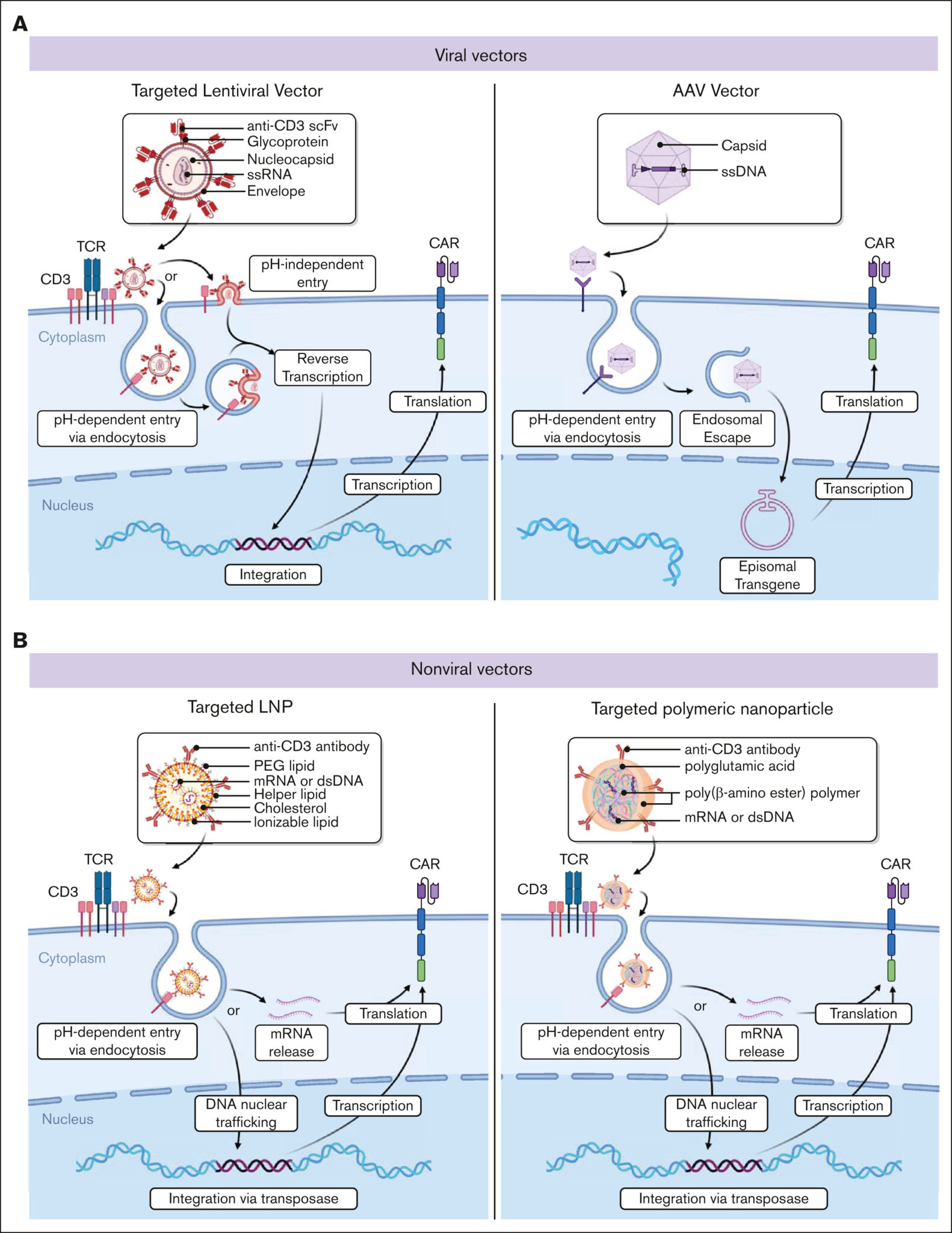
Figure 3. Mechanisms of in vivo CAR T-cell generation using viral and nonviral delivery vectors, using CD3ε as an example.
- AAV vectors.
AAVs are nonenveloped vectors consisting of an icosahedral protein capsid that encloses a single-stranded DNA genome (Figure 3A). Their favorable safety profile, including the absence of viral genes, low immunogenicity, and a minimal risk of insertional mutagenesis due to predominantly episomal persistence, has made AAVs a widely used platform in gene therapy, leading to their US Food and Drug Administration (FDA) approval for the treatment of certain genetic disorders. After interaction with their specific cell-surface receptors, AAVs enter cells via clathrin-mediated endocytosis, with intracellular trafficking and nuclear delivery pathways varying depending on the capsid serotype. Once inside the nucleus, the viral single-stranded DNA is converted into double-stranded DNA, which exists as an episome available for transcription. This episomal expression can be sustained for weeks to months, and in some cases even years, particularly in nondividing cells. Cellular entry and transduction efficiency are strongly influenced by serotype-specific binding characteristics. To improve targeting specificity, capsid engineering approaches have been used, including rational capsid modification and the insertion of scFvs or designed ankyrin repeat proteins, that have enabled the generation of AAVs with enhanced tropism toward T cells.
- Lipid-based and polymeric vectors
Lipid-based and polymeric nanoparticles have emerged as promising platforms for the in vivo delivery of CAR-encoding nucleic acids to T cells in preclinical models. Among these, LNPs are fully synthetic carriers typically composed of 4 components: ionizable cationic lipids, helper lipids, polyethylene glycol lipids, and cholesterol (Figure 3B). These components can be varied to modulate particle size, stability, circulation time, and biodistribution. LNPs have been widely applied for efficient messenger RNA (mRNA) delivery into diverse cell types due to their ionizable lipid component, which maintains a neutral charge at physiological pH, keeping LNPs stable in the blood, and acquires a positive charge under acidic conditions, thereby facilitating endosomal escape. Upon IV administration, LNPs interact with serum proteins and rapidly form a protein corona, often enriched with apolipoprotein E, which promotes their uptake by hepatocytes via LDL-R–mediated endocytosis. As a result, LNPs exhibit preferential accumulation in the liver, a passive property that has been leveraged for the FDA-approved delivery of small interfering RNAs to hepatocytes. Despite this success, the natural liver tropism of LNPs presents a major challenge for redirecting gene delivery to nonhepatic tissues, such as T cells. To overcome this limitation, the lipid composition has been optimized, and the particle surface engineered to include targeting ligands, such as antibodies or antibody fragments. For example, LNPs conjugated to anti-CD3, -CD4, -CD5, -CD7, or -CD8 antibodies have been used to bind T cells and promote receptor-mediated endocytosis. Polymeric nanoparticles, such as those formulated with biodegradable poly (β-amino ester) polymers, offer an alternative platform for CAR gene delivery (Figure 3B).
- Delivery challenges (Fig.4)
A critical prerequisite for gene transfer to be both efficient and specific is that the vector reaches and engages an appropriate antigen on the T-cell surface. Nonviral nanoparticles generally rely on receptor-mediated endocytosis, and without uptake, their nucleic acid cargo cannot reach the cytosol (for mRNA) or nucleus (for DNA). Likewise, LVs pseudotyped with vesiculovirus or alphavirus glycoproteins (eg, VSV-G, cocal-G, or SINV E1) require endosomal entry for successful low-pH–triggered membrane fusion, so they must be retargeted to receptors that internalize upon ligand binding. In line with this, CD45-targeted LVs pseudotyped with a receptor-blinded VSV-G variant failed to transduce T cells due to the lack of CD45 internalization after antibody binding. In contrast, paramyxovirus-based LVs, such as those pseudotyped with MV or NiV glycoproteins, fuse directly at the plasma membrane in a pH-independent manner, enabling them to target noninternalizing receptors. An overview of the main pseudotyping strategies and receptor-targeting designs used across fusogenic LV platforms is provided in Figure 4. Interestingly, although both MV-LVs and NiV-LVs function at the cell surface, only NiV-LVs require binding to membrane-proximal receptor epitopes, whereas MV-LVs remain functional even when targeting more distal epitopes. It is therefore essential to consider the vector entry mechanism, along with receptor internalization and epitope proximity, when designing viral and nonviral platforms for in vivo CAR T-cell delivery.
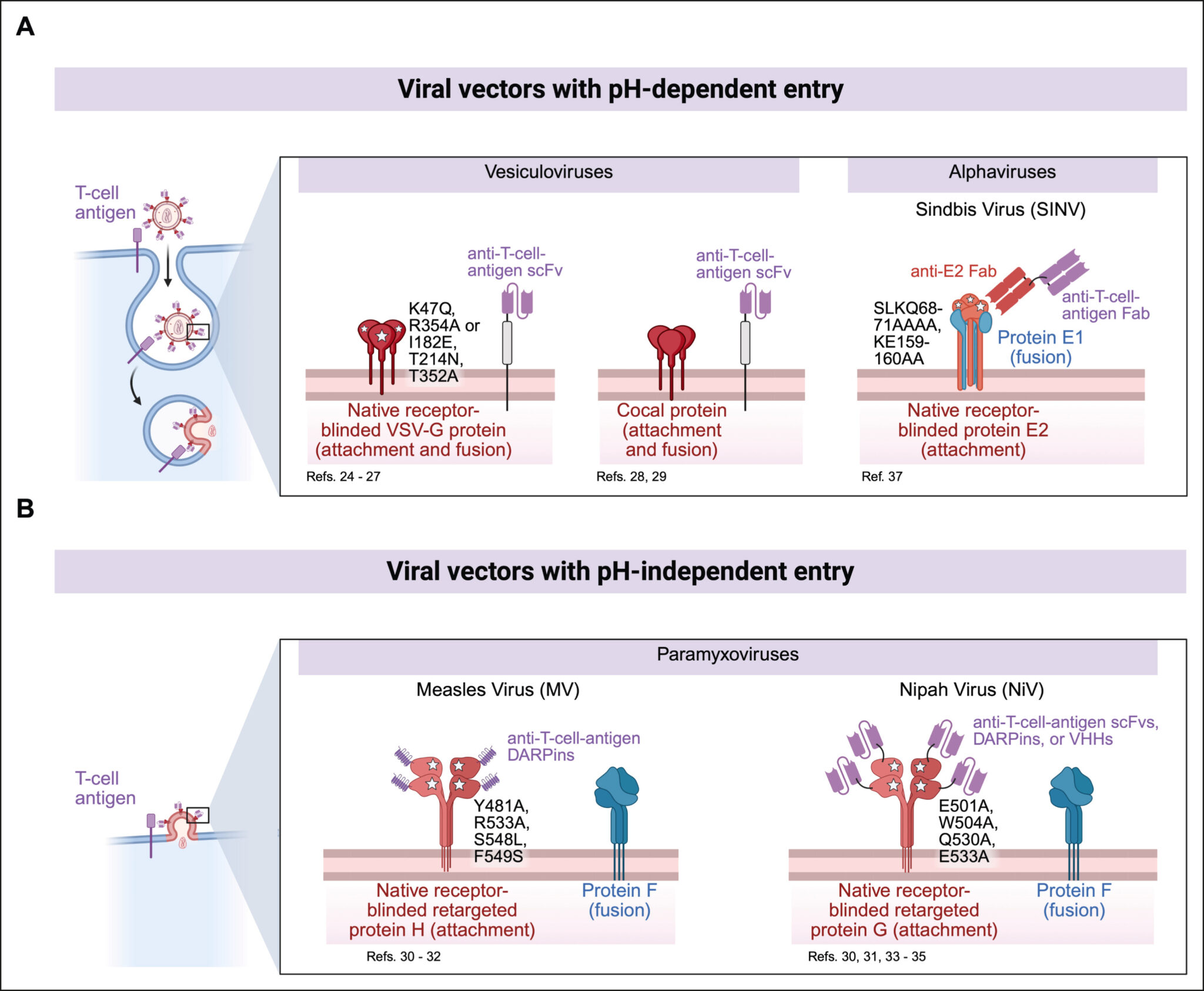
Figure 4. Fusogenic glycoproteins used to functionalize viral vectors for in vivo T-cell targeting.
Conclusion
Several biotechnology companies dedicated to in vivo CAR T-cell generation have been established in recent years, reflecting growing commercial and translational interest in this emerging field. Companies developing LVP-based in vivo CAR T-cell platforms include Interius BioTherapeutics (part of Kite, a Gilead Company), Umoja Biopharma (in collaboration with AbbVie), Shenzhen Genocury Ltd, EsoBiotec (now acquired by AstraZeneca), Kelonia, Sana Biotechnology, Ensoma, and Exuma Biotech. In parallel, developers focusing on LNP-RNA–based platforms include Capstan Therapeutics, Immorna, Shenzhen MagicRNA, Orna Therapeutics, Sanofi, and Tessera Therapeutics. The technological principles underlying these approaches, including delivery platforms and targeting strategies, have been comprehensively reviewed elsewhere. Consequently, multiple first-in-human trials have now been initiated, and the initial clinical results from 2 of these studies further underscore the therapeutic potential of in vivo CAR T-cell strategies. Xu et al describe an anti-TCR, immuneshielded lentiviral vector encoding an anti–B-cell maturation antigen CAR delivered systemically without previous apheresis or lymphodepletion to 4 patients with relapsed or refractory multiple myeloma, demonstrating encouraging efficacy, with stringent complete or partial responses in all patients, and detectable CAR T cells in the peripheral blood and tumor sites. However, acute inflammatory reactions and grade 3 CRS were observed in 3 patients within 2 days after infusion, highlighting the importance of close clinical monitoring. Wang et al report 3-month data from a first-in-human trial in which a CD8-targeted LNPs encapsulating anti-CD19 CAR mRNA was administered as a single or sequential infusion to 5 patients with refractory systemic lupus erythematosus. Circulating B-cell depletion was achieved within 7 to 10 days in the higher-dose cohort, accompanied by reduced disease activity at the last follow-up. No grade 3/4 CRS or other severe adverse events were observed, indicating a favorable short-term safety profile. In summary, these combined efforts to address immune evasion, enhance targeting precision, and achieve scalable manufacturing will be essential to translating in vivo CAR T-cell engineering from preclinical promise into clinical reality.
Reference
Volta, L. and S.I. Gill, In vivo generation of CAR T cells: biology, delivery platforms, clinical promise, and translational challenges. Blood Immunology & Cellular Therapy, 2026. 2(1).