
Characterization of AAV vectors: A review of analytical techniques and critical quality attributes
July 03, 2026
The 2024 Molecular Therapy: Methods & Clinical Development by Kontogiannis, T., et al., researches Characterization of AAV vectors: A review of analytical techniques and critical quality attributes.
Introduction
Standardized evaluation of adeno-associated virus (AAV) vector products for biotherapeutic application is essential to ensure the safety and efficacy of gene therapies. This includes analyzing the critical quality attributes of the product. However, many of the current analytical techniques used to assess these attributes have limitations, including low throughput, large sample requirements, poorly understood measurement variability, and lack of comparability between methods. To address these challenges, it is essential to establish higher-order reference methods that can be used for comparability measurements, optimization of current assays, and development of reference materials. Highly precise methods are necessary for measuring the empty/partial/full capsid ratios and the titer of AAV vectors. Additionally, it is important to develop methods for the measurement of less-established critical quality attributes, including post-translational modifications, capsid stoichiometry, and methylation profiles. By doing so, we can gain a better understanding of the influence of these attributes on the quality of the product. Moreover, quantification of impurities, such as host-cell proteins and DNA contaminants, is crucial for obtaining regulatory approval. The development and application of refined methodologies will be essential to thoroughly characterize AAV vectors by informing process development and facilitating the generation of reference materials for assay validation and calibration.
Finding Highlights
- It is essential to establish higher-order reference methods that can be used for comparability measurements, optimization of current assays, and development of reference materials.
- It is important to develop methods for the measurement of less-established critical quality attributes, including post-translational modifications, capsid stoichiometry, and methylation profiles.
- The development and application of refined methodologies will be essential to thoroughly characterize AAV vectors by informing process development and facilitating the generation of reference materials.
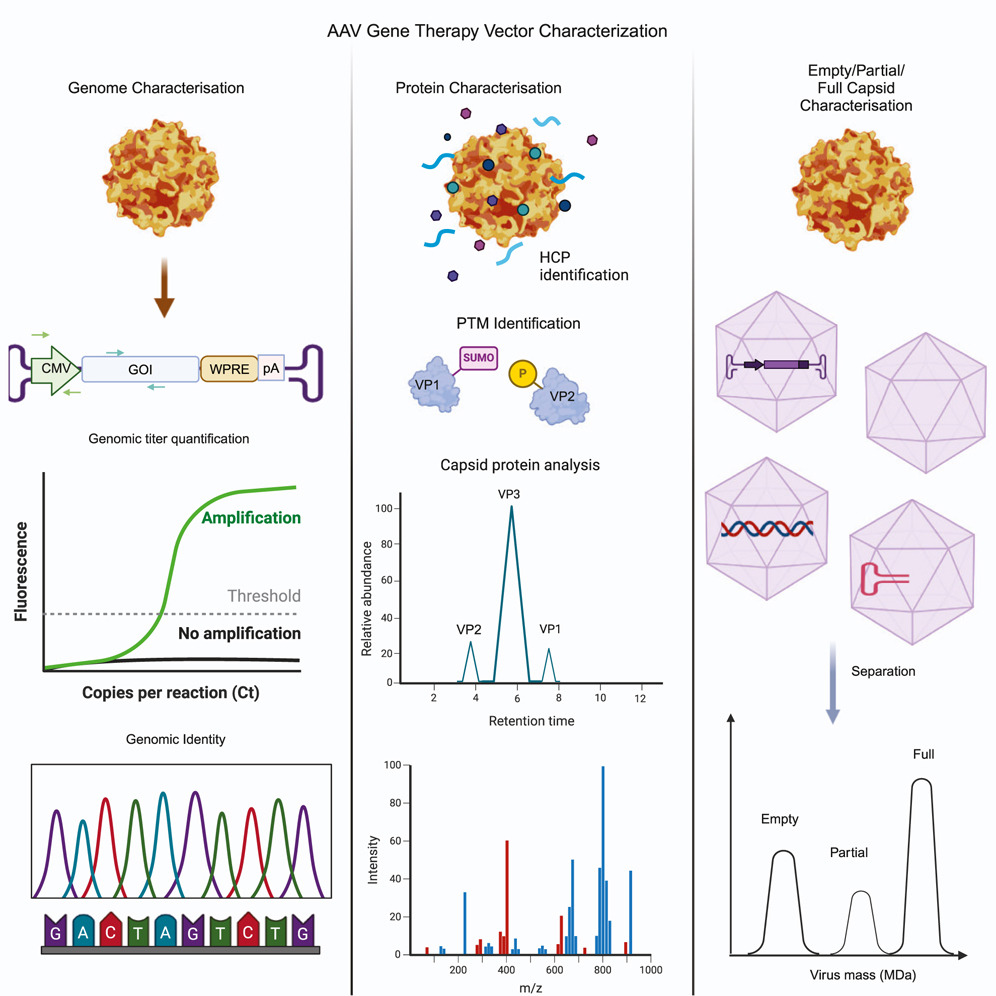
Key Results and Figure Interpretation
Viral vectors and measurement challenges.
This review focuses on the analytical methods used to measure the CQAs of AAV vectors that originate from adeno-associated viruses. The AAVs belong to the Parvoviridae family and are small (20 nm) non-pathogenic, non-enveloped, icosahedral viruses that package 4.8-kb ssDNA. Their genome consists of two main genes, rep and cap, flanked by T-shaped hairpin structures called inverted terminal repeats (ITRs) (Figure 1).
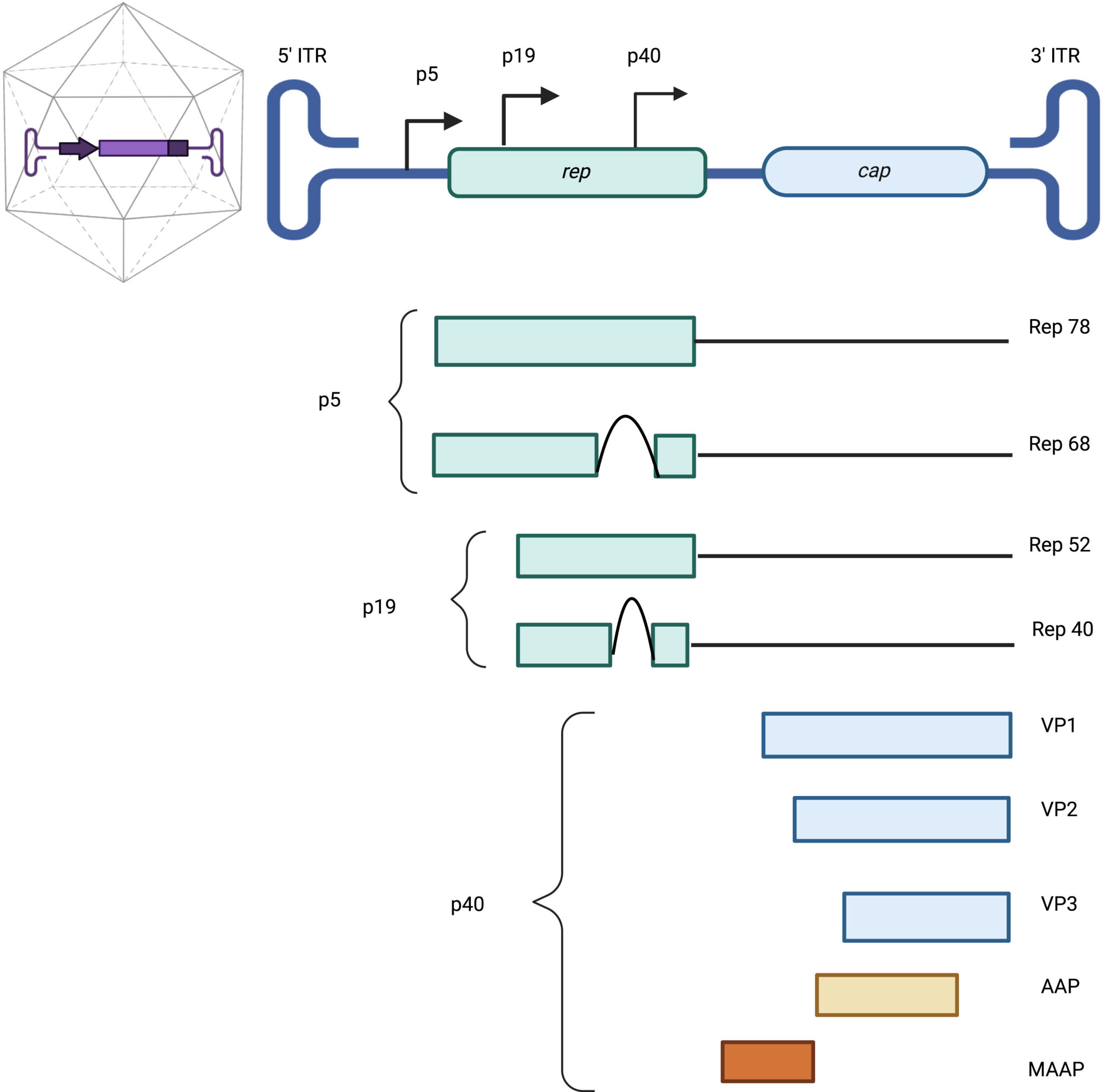
Figure 1. Schematic of the genome organization of wild-type AAV.
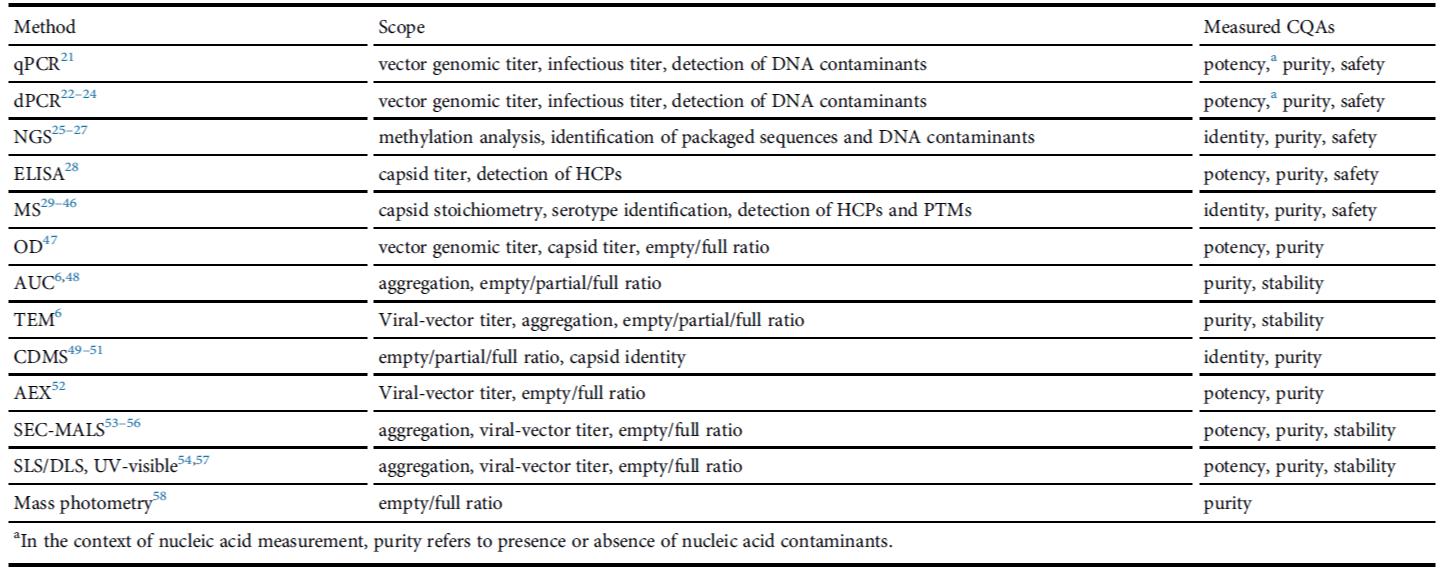
Table 1 provides an overview of the current methods used for the characterization of viral vectors.
Table 1. Summary of analytical techniques used for viral-vector characterization
PHYSICAL TITER
The viral-vector product is evaluated using assays that quantify the physical and infectious titer of the viral vector. Physical titer is a measurement of the total amount of viral-vector particles that are present in the preparation and can be expressed as genome or capsid titer based on the measurement method used. The genome titer (often expressed as genome copies per milliliter [GC/mL]) is usually compared to capsid titer to estimate the percentage of capsids packaged with the recombinant genome. Empty (or partial) genome capsids are ineffective and thus manufacturing processes attempt to limit or eliminate these, but analytical methods must be sufficient to determine those particles that have no, or partial, genomes within them.
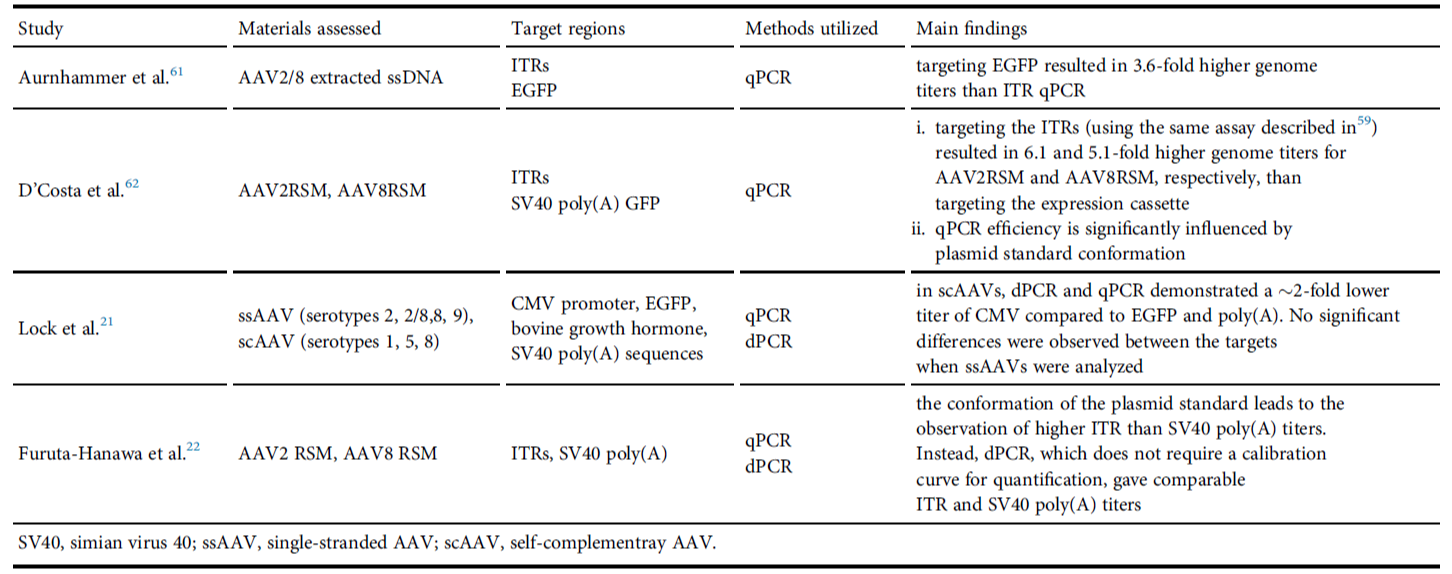
For AAV genome titration, the commonly employed method to quantify vector genomes is by qPCR, and more recently with digital PCR (dPCR), using assays targeting the transgene or elements of the transgene cassette such as the ITRs, woodchuck hepatitis virus posttranscriptional regulatory element (WPRE), promoters, enhancers, and terminators. However, the limitation of this method is that the design of the vectors may vary depending on the application. Therefore, the same assays often cannot be used for different vector designs. Aurnhammer et al. designed a qPCR method for AAV titration that targeted a 62-nucleotide (nt) sequence of the AAV2 stem region of the ITRs wit with a limit of detection (LOD) of 50 copies. In studies evaluating methods for quantifying genomes extracted from purified AAV virions following removal of plasmid DNA, factors such as assay design and primer/probe location were found to significantly influence qPCR and dPCR results, potentially leading to overestimation or underestimation of viral titers (Table 2).
Table 2. Summary of findings from studies investigating the effect of primer/probe location and genome conformation in AAV titration
INFECTIOUS TITER
Not all viral particles are infectious. The total amount of viral particles capable of transducing cells is called infectious titer. A widely used approach to determine the infectious titer involves measuring transgene expression following infection of a permissive cell line with the AAV vector. Techniques for measuring transgene expression include, but are not limited to, ELISA for protein quantification, RT-qPCR for mRNA levels, and fluorescence-activated cell sorting (FACS) for fluorescence analysis for fluorescent transgenes.
Genetic identity
Verifying the genetic identity of recombinant viral vectors is important for ensuring high product quality and safety. Identification experiments are particularly necessary in settings where various viral vectors are produced, and serotype identification becomes essential.70 The verification of the genetic identity of viral vectors is achieved using nucleic acid analysis techniques such as next-generation sequencing (NGS). Guerin et al. used the Illumina MiSeq system to determine the genetic identity of packaged sequences.
Methylation status
The methylation status of recombinant AAV genomes is an area that has not been thoroughly investigated. In one of the few studies to date, Tóth et al. conducted bisulfite PCR sequencing and showed that methylation levels were negligible in wild-type AAV2 genomes. Specifically, in packaged AAV genomes, the ratio of methylated cytosines ranged from 0% to 1.7%, with an average of 0.6%. Rumachik et al. reported similar results with whole-genome bisulfite sequencing of rAAV genomes. In this study, it was shown that rAAV genomes are hypomethylated and the methylation percentage observed was similar between HEK293-produced and Sf9-produced vectors. Interestingly, a study has shown that AAV genome integrated into the host-cell DNA is hypermethylated.
AAV CAPSID IDENTITY AND STOICHIOMETRY
Capsid protein identity is another critical factor of AAVs that should be characterized thoroughly. Common methods of characterization used for serotype identification are ELISA and western blot. Mass spectrometry (MS) combined with high-performance liquid chromatography (HPLC) or capillary electrophoresis (CE) have emerged recently as higher-order and complementary approaches for serotype identification and capsid composition analysis because of their high reproducibility, accuracy, and robustness. In addition, tandem MS (MS/MS) can be used for peptide mapping and PTM identification in viral-vector analyses.
AAV capsid PTM mapping and identification
Identification of PTMs of viral-vector proteins is an important analytical task that has received much less attention to date than for biotherapeutic proteins and thus requires further investigation for better characterization of gene therapy products. The presence of particular PTMs can affect the interaction of viral vectors with cellular components and therefore impact its infectivity and tropism.40 PTMs may also impact stability, propensity to aggregate, interactions with host-cell proteins, and other attributes and are thus a CQA. Monitoring of PTMs and an understanding of these and how they change during bioprocessing can inform process development and help ensure product quality and consistency. For example, oxidation of capsid proteins is an important PTM to monitor during downstream processing because it represents a usual degradation pathway for proteins. High levels of oxidation could lead to loss of activity and stability of the gene therapy product.
A number of studies have been reported with the aim of identifying PTMs on AAVs due to their potentially important impact on viralvector quality and safety. A summary of the PTMs identified in different AAV serotypes is presented in Table 3.
Table 3. Summary of PTMs found on the capsids of the AAV serotypes (1-rh10)
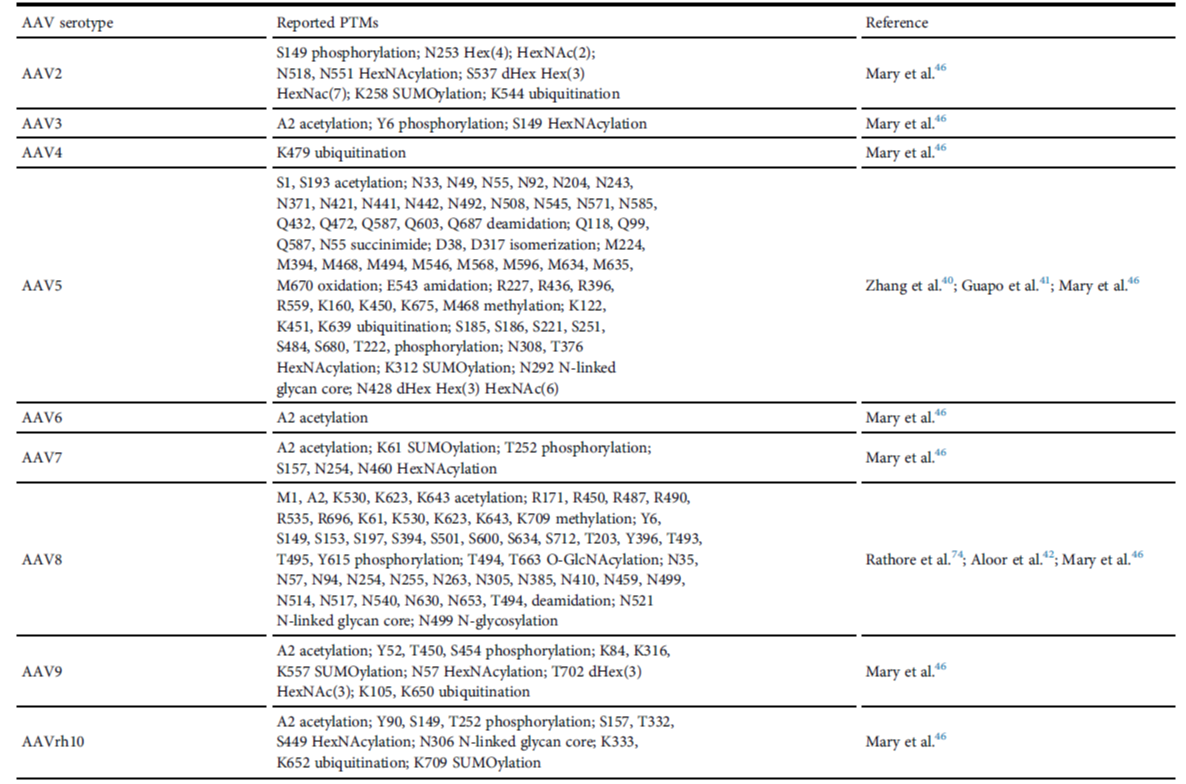
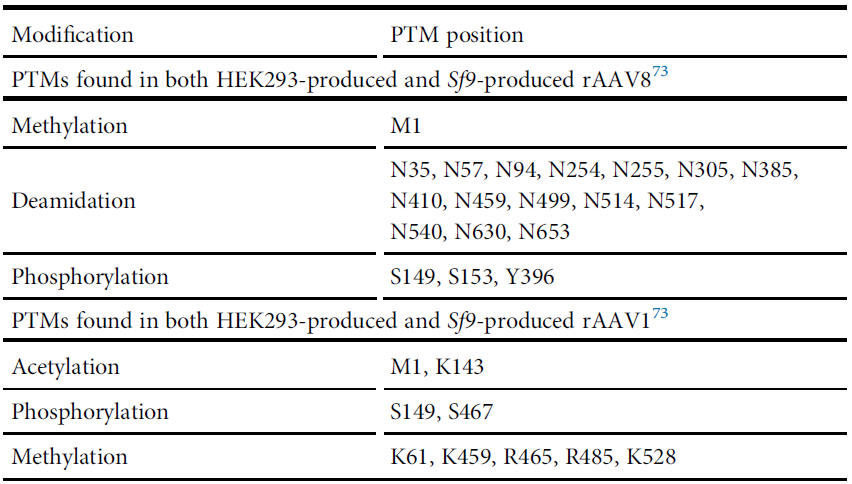
The choice of production platform and the bioprocessing conditions can therefore influence which PTMs are found on viral vectors. Ru-machik et al. compared the PTMs of rAAV8 and rAAV1 produced by transient transfection of HEK293 cells with rAAVs produced by baculovirus infection of Sf9 insect cells.73 Even though the type of PTM present in both AAV8 preparation were the same, more extensive PTMs were found in the capsid proteins of insect-produced rAAV8 compared to HEK293-produced AAV8. Although there were more PTMs present in baculovirus-produced AAV8 and AAV1 vectors than the HEK293 derived vectors, the PTMs identified in the different vector lots had a number of commonalities (Table 4).
Table 4. Summary of common PTMs found in both HEK293 cell and Sf9-produced rAAV8 and rAAV1 vectors
Analysis of empty, full, and partial capsids
Separation and removal of product-related impurities is a challenge due to their close similarity to the desired product (Figure 2). These impurities must be identified and kept to the lowest possible levels as they are usually at best inactive but can also potentially pose a safety risk, although there are contrasting reports around the impact of such impurities.80,81 For example, Mingozzi et al. reported that including empty capsids in the final formulation of AAV can actually help vector treatment doses overcome humoral immunity in patients receiving gene therapy.82 The capsid content can be characterized by a number of methods, including analytical ultracentrifugation (AUC), transmission EM (TEM), anion exchange chromatography (AEX), charge detection MS (CDMS), size exclusion chromatography-multiangle light scattering (SEC-MALS), static, dynamic light scattering (SLS/DLS), qPCR/ELISA, and mass photometry.
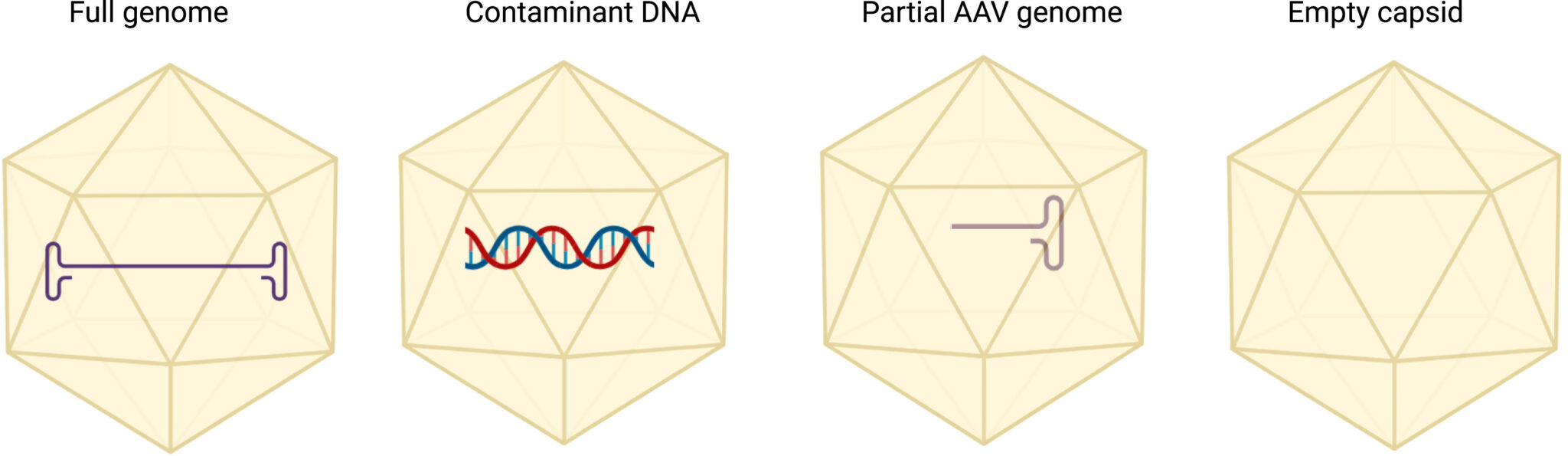
Figure 2. Schematic of the diverse AAV products that can be found in an AAV
production batch
Host-cell protein analysis
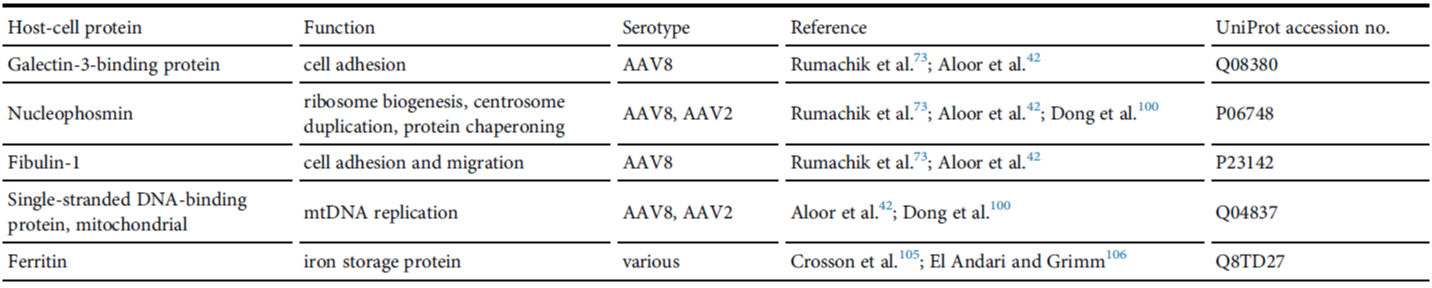
Depending on the production system used and the purification protocol, the viral vector may co-elute with a wide variety of HCPs. It may even be possible that these are enclosed within the rAAV capsid. Identifying and quantifying these HCPs is an important task for ensuring the safety of the gene therapy products as they could potentially cause an immune response in the person receiving the therapy. Characterization of HCPs in biotherapeutic protein products is well established; however this is not necessarily the case for viral-vector preparations. Interestingly, in a study conducted by Rumachik et al., HEK293-produced AAVs were co-eluted with HCPs that were mostly involved in the binding of nucleic acids and proteins for RNA processing, while Sf9-produced AAVs were coeluted with proteins that have roles in proteolysis/endopeptidase activity. Dong et al. identified 13 proteins co-eluting with AAV purified by CsCl-gradient ultracentrifugation. Among them, the researchers identified the protein SET. This protein was identified in several batches regardless of the serotype or the transgene used. Interestingly, SET was only found in fractions that contained full AAV capsids. Furthermore, Aloor et al. identified 28 HCPs in intracellular and secreted AAV8 samples, while the galectin-3-binding protein was identified in both samples. The same host-cell protein was also identified in the human cell produced AAV8 vectors in the study conducted by Rumachik et al. The HCPs galectin-3-binding protein nucleophosmin, and fibulin-1 were found in both studies. Table 5 details the HCPs that have been identified in more than one study on AAV-associated HCPs.
Table 5. HCPs that have been identified in rAAV preparations in more than one studies
As described above and unlike biotherapeutic protein HCP analysis, where large amounts of work have been undertaken on HCPs and standard ELISA and MS methods exist for monitoring the HCP content, little research has been undertaken to date on HCPs present in viral-vector preparations. As such, there is a need and opportunity to investigate how the HCPs change with different bioprocessing methods and assess the risks that HCPs might pose to the patient.104 Furthermore, it remains largely unknown how the location of HCPs may influence the ability to deliver the cargo to cells and achieve transgene expression. HCPs could potentially be located outside or inside the capsid, bind to the genome of the vectors, or be associated with the envelop of enveloped viral vectors. Investigating the impact of the location of HCPs on the safety and effectiveness of the gene therapy product is a research area that needs more attention. In order to facilitate this, the development and application of new methods or approaches that enable the detection and analysis of HCPs in viralvector preparations is essential. Methods for characterization of the protein content of AAV preparations, including HCP analysis, are depicted in Figure 3.
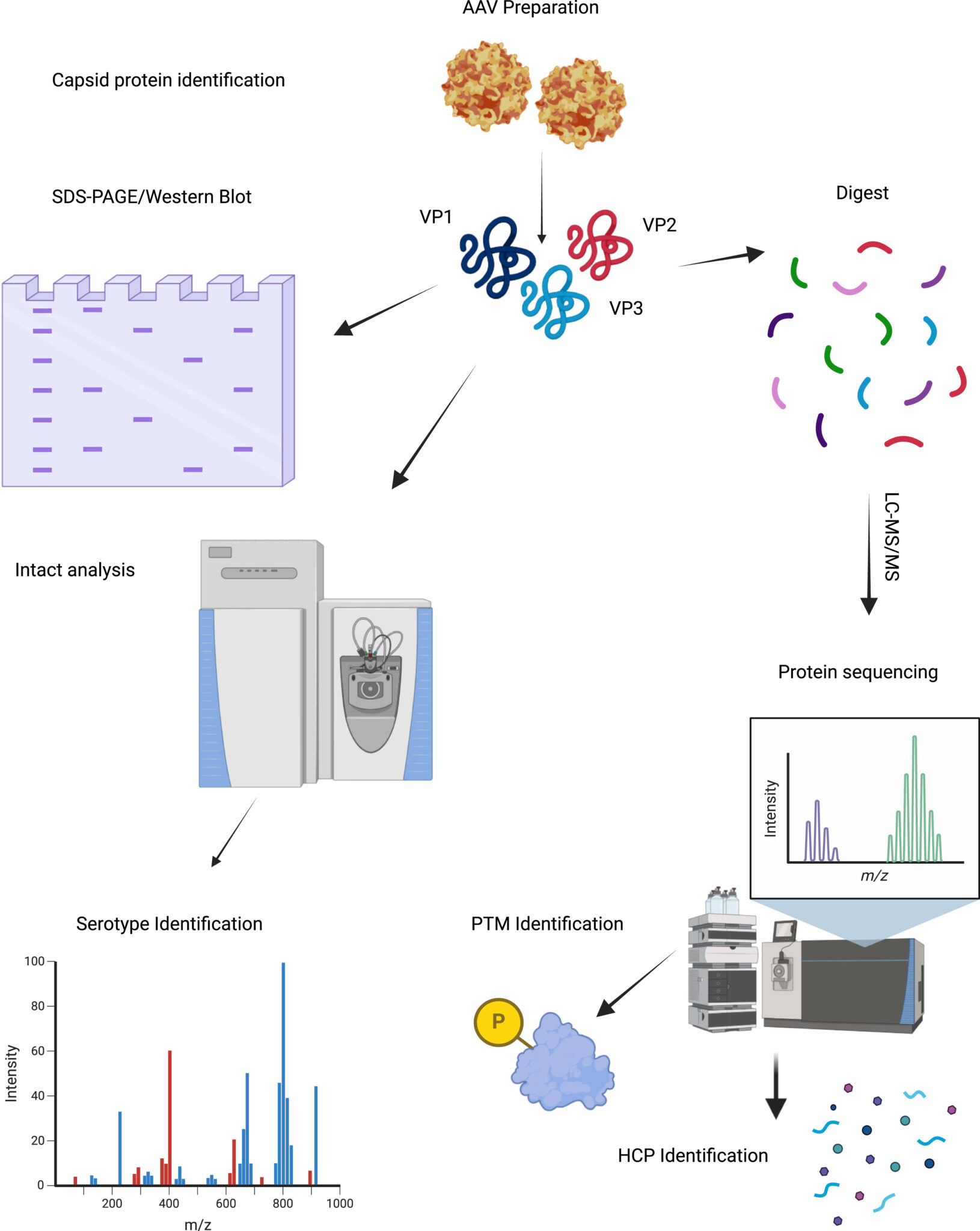
Figure 3. Schematic representation of protein characterization workflows for rAAV preparations.
CONCLUSIONS AND FUTURE DIRECTIONS
The number of human gene therapies in development continues to rapidly increase. In order to support the design, development, manufacture, and safety of these modalities, the development of more standardized, detailed, and accurate analytical characterization methods of viral vectors is essential. Such assays should be able to define and monitor CQAs of viral vectors to ensure safe and effective therapies. However, this requires complementary analytics that can rapidly and precisely monitor the titer, quality, and efficacy of the viral vectors being produced. Moreover, the regulatory demands for gene therapy products are becoming stricter, with a need for accurate characterization of identity, potency, purity, safety, and stability. To achieve this, high-throughput, precise, fast, and reproducible analytical methods must be developed to ensure safety and efficiency of the product. Further, to ensure comparability of both the quality and quantity across diverse viral-vector lots, it is important to establish harmonization of the entire characterization process. In this regard, reference materials play an essential role in facilitating comparison of results across multiple studies. Additionally, it is important to outline and address potential measurement variability resulting from analytical methods employed in assessing the CQAs of viral vectors. Such comparative analysis will allow the implementation of new and improved analytical methods that advance the measurement, characterization, reproducible manufacturing, safety, and efficacy of viral vector gene therapies.
Reference
Kontogiannis, T., et al., Characterization of AAV vectors: A review of analytical techniques and critical quality attributes. Mol Ther Methods Clin Dev, 2024. 32(3): p. 101309.