
Controlled linking of AAV capsids enables coordinated multi-vector deliver
June 05, 2026
The 2026 Engineering, Medicine by Kim, Y., et al., et al. researches Controlled linking of AAV capsids enables coordinated multi-vector deliver.
Introduction
Adeno-associated virus (AAV)-based delivery of large genetic systems splits cargo across vectors, but functional reconstitution depends on stochastic co-delivery and often requires high viral doses. Here, we present a multi-capsid linking strategy that enables coordinated delivery of AAV vectors carrying distinct or split genetic cargos. Using a substrate-confined linking process, we suppress uncontrolled higher-order aggregation while enabling programmable nanoscale capsid coupling via oligonucleotide linkers. These linkers further enable efficient downstream purification of linked AAVs and recycling of unlinked vectors, yielding ~70% AAV dimers and trimers in co-transduction at reduced viral doses and with greater expression uniformity than conventional dual-AAV approaches. This improved coordination enhances reconstitution of split genetic systems and increases targeted prime editing efficiency in vitro and in the mouse brain. This capsid coupling strategy expands the functional scope of AAVs toward dose efficient and uniform delivery of large genetic systems.
Finding Highlights
- Using a substrate-confined linking process via oligonucleotide linkers.
- Enable efficient downstream purification of linked AAVs and recycling of unlinked vectors, yielding ~70% AAV dimers and trimers in co-transduction at reduced viral dose.
- Improve coordination enhances reconstitution of split genetic systems and increases targeted prime editing efficiency in vitro and in the mouse brain
Key Results and Figure Interpretation
- Design of a workflow for controlled formation of linked AAVs (Fig.1).
A workflow for controlled linking of AAV capsids was adapted from a previous report demonstrating stepwise assembly of oligonucleotide-functionalized nanoparticles on solid substrates, with the introduction of an additional purification step to improve product homogeneity and enable recycling. In this workflow, two AAV vectors carrying distinct transgenes or split genetic cargos are defined as the linking targets and designated as Layer AAV (L1-AAV) and Layer 2 AAV (L2-AAV).
In the first step, L1-AAVs, whose capsid surfaces are functionalized with two single-stranded oligonucleotides (A and B, each containing a 15 nucleotide (nt) main hybridization region and a 15 nt spacer), are immobilized onto streptavidin-coated magnetic bead substrates. The bead surfaces are functionalized with oligonucleotide A’, which contains a 15 nt sequence complementary to the hybridization region of oligonucleotide A and a 14 nt spacer terminated with biotin. Hybridization between the complementary regions of A and A’ enables immobilization of L1-AAVs on the substrate, and the bead-bound L1-AAVs are separated using a magnetic field (Figure 1a). Following immobilization, L1-AAVs are linked with L2-AAVs, whose capsid surfaces are functionalized with a second pair of oligonucleotides (C and D, each containing a 15-18 nt main hybridization region and a 12 nt spacer). Linking is initiated by the addition of BC-linker strands (32-53 nt) that are complementary to oligonucleotides B and C tethered to the respective AAV capsid surfaces. These linkers allow for the coupling of L2-AAVs onto substrate-bound L1-AAVs (Figure 1b). The surface-bound AAVs, consisting of linked AAVs together with residual unlinked L1-AAVs, are separated using a magnetic field, while unlinked. L2-AAVs in the supernatant are collected for recycling.After inter-capsid linking, residual oligonucleotide C strands on the linked AAVs are passivated by hybridization with a complementary capping strand (C’, 20 nt). After passivation, the surface-bound AAVs are released from the bead surface by the addition of a releaser strand (A’ ’, 23 nt). The A’ ’ strand contains an additional 8 nt relative to oligonucleotide A, which serves as a toehold region for strand displacement. Through toehold-mediated strand displacement, a more thermodynamically stable duplex (A’−A’’, 23 base pair (bp)) is formed compared to the original A−A’ duplex (15 bp), resulting in the release of the surface-bound AAVs from the bead substrates (Figure 1c). Finally, the released AAVs are incubated with a second set of streptavidin-coated magnetic bead substrates functionalized with oligonucleotide D’, which contains a 15 nt sequence complementary to the hybridization region of oligonucleotide D and a 15 nt spacer terminated with biotin. Hybridization between D and D’ enables the selective capture of linked AAVs containing L2-AAVs, while unlinked L1-AAV monomers remain in solution for recycling. After magnetic separation, the bead-bound AAVs are released by the addition of a releaser strand (D’’, 23 nt), which displaces the D−D’ duplex via toehold-mediated strand displacement in a manner analogous to the A’’-mediated release step (Figure 1d).
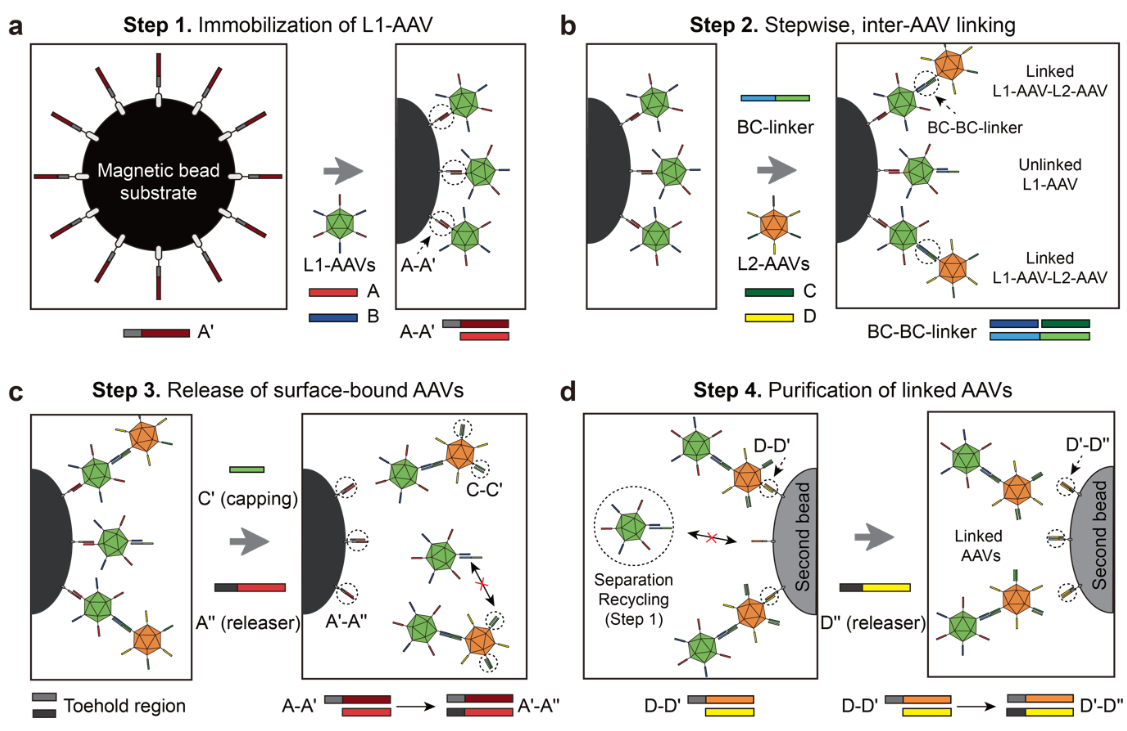
Figure 1. Workflow for linking AAV capsids and purification of linked AAVs.
- Workflow optimization and fabrication of linked AAVs (Fig.2).
To implement this workflow, we first selected two AAV9 vectors encoding distinct fluorescent reporters as model components, AAV9-CAG::mNeonGreen (L1-AAV) and AAV9-CAG::tdTomato (L2-AAV). The capsid surfaces of both L1-AAV and L2-AAV were functionalized with oligonucleotide linkers using inverse electron-demand Diels-Alder (iEDDA) click chemistry between tetrazine (Tz) and trans-cyclooctene (TCO). iEDDA click chemistry was selected over other biorthogonal reactions because of its exceptionally fast kinetics, which can support efficient conjugation even at nanomolar reactant concentrations. Briefly, AAV capsids were modified with Tz-PEG5-N-hydroxysuccinimide ester (Tz-PEG5-NHS) to target surface-exposed lysine residues, followed by conjugation with TCO-terminated oligonucleotides (Figure 2a).
Following conjugation, western blot analysis revealed new viral protein (VP) bands that were absent in unmodified AAVs. These newly appeared bands were shifted by ~20 kDa relative to the main VP3 band, falling within the molecular weight range expected upon oligonucleotide conjugation. The intensity of the shifted bands increased as the Tz-PEG5-NHS:AAV ratio was raised from 1×10⁴ to 5×10⁴, with the TCO-oligonucleotide:AAV ratio fixed at 4 x10³ (Figure 2b).
While control AAVs without oligonucleotide conjugation exhibited negligible binding to the bead substrate, L1-AAVs showed efficient immobilization, with efficiency strongly dependent on the Tz-PEG5-NHS:AAV ratio. Immobilization efficiency increased from 73.0± 3.8% at a ratio of 1×10⁴ and reached a plateau at ratios ≥3×10⁴, achieving 93.8±3.2% retention after 1 h of incubation (Figure 2c). After 3 h of linking, qPCR analysis showed that only 27.0±1.7% of input L2-AAV genomes were detected in the L1-AAV-bound fraction (Figure 2d). This limited linking efficiency likely reflects steric constraints and restricted conformational freedom of surface-tethered oligonucleotides, which are not captured in NUPACK solution predictions. To increase effective hybridization strength, we designed two extended BC-linker variants containing an additional 5-6 nt (BC-linker v2) or 10-11 nt (BC-linker v3) at both termini. With the same reaction time (3 h), inter-AAV linking efficiency increased to 81.1±6.2% with BC-linker v2, consistent with enhanced hybridization strength. Further extension(BC-linker v3) slightly reduced inter-AAV linking efficiency to 70.8 ± 11.0% (Figure 2d), presumably due to increased steric interference between elongated linkers. These results
Using the optimized BC-linker (v2), L1-AAVs and L2-AAVs functionalized at varying Tz-PEG5-NHS:AAV ratios were linked. The resulting constructs were subjected to the release process and subsequently analyzed by transmission electron microscopy (TEM). Increasing the ratio from 1×10⁴ to 3×10⁴ led to progressive enrichment of low-order linked AAVs, with dimers and trimers reaching 32.6±1.7% and 9.5±1.2%, respectively. However, further increases beyond 3×10⁴ did not enhance dimer or trimer formation but instead promoted higher-order aggregation, with aggregate fractions rising from 3.9±0.7% to 15.9±4.4% (Figure 2e).
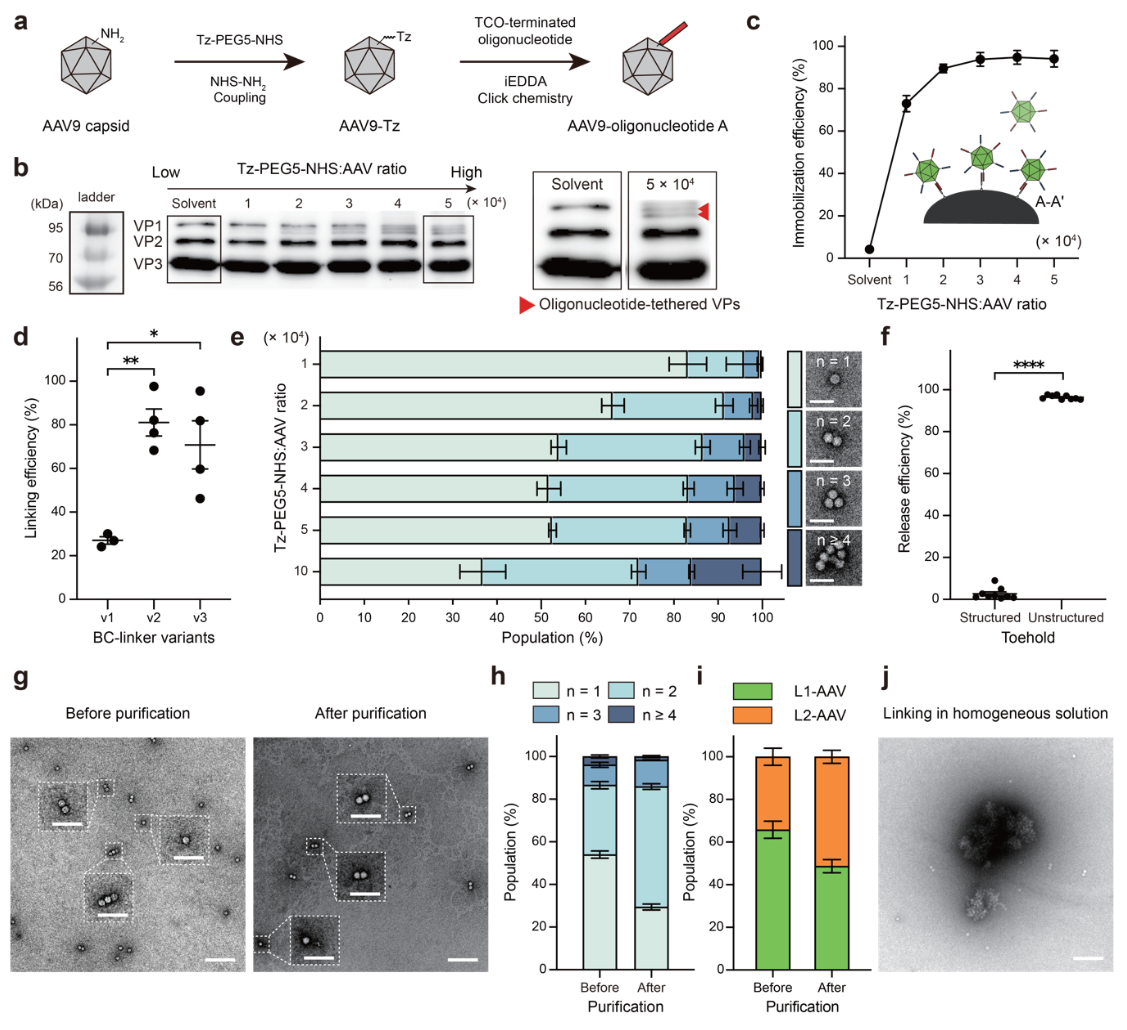
Figure 2. Optimization of the muti-AAV linking process.
- Coordinated delivery of AAV vectors through controlled linking (Fig.3).
We next investigated whether our AAV linking strategy could enhance the coordinated delivery of AAV vectors in vitro. Using the previously defined mNeonGreen-encoding L1-AAV and tdTomato-encoding L2-AAV, linked AAVs were generated under optimized conditions (BC-linker v2, Tz-PEG5-NHS:AAV ratio of ~3×10⁴, and unstructured toehold, followed by purification. As controls, we included a physical mixture of the two unmodified AAV vectors, referred to as dual AAV, as well as a mixture of oligonucleotide-functionalized AAV vectors prepared at the same Tz-PEG5-NHS:AAV ratio but without the linking step, referred to as dual oligo-AAV (Figure 3a). The latter control was included to evaluate the potential effects of capsid surface modification on transduction behavior. Primary hippocampal neurons were transduced with linked AAVs, dual AAVs, and dual oligo-AAVs across a range of viral doses from 250 to 4,000 vg/cell (Figure 3b). Expression uniformity and overall co-transduction efficiency were quantified based on the numbers of neurons expressing both mNeonGreen and tdTomato (co-transduced), neurons expressing only one reporter (partially transduced), and total neurons within defined regions of interest (ROIs). For each condition, at least 1,000 neurons were analyzed from 5 ROIs in each of three independent experiments. Across all tested viral doses, linked AAVs showed significant enhancement of expression uniformity compared with both control groups (Figure 3c). At 4,000 vg/cell, linked AAVs achieved 68.1±7.7% co-transduction among transduced neurons, corresponding to 1.8-fold and 2.4-fold improvements over dual AAV and dual oligo-AAV controls, respectively (Figure 3d). Linked AAVs also increased the proportion of co-transduced neurons among total neurons. At 4,000 vg/cell, 17.0±1.6% of total neurons were co-transduced in the linked AAV group, compared with 10.8±0.4% and 6.8±0.6% in the dual AAV and dual oligo-AAV control groups, respectively(Figure 3e).
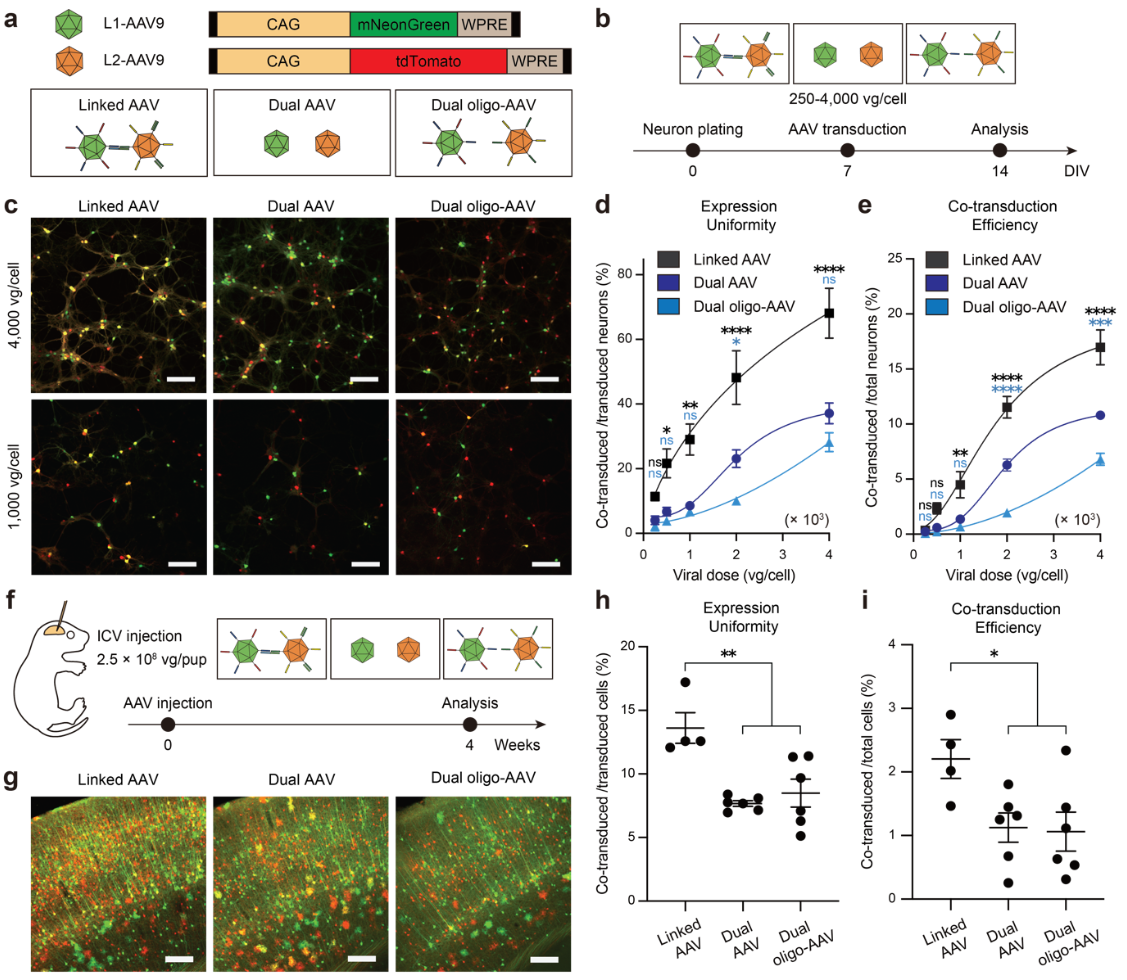
Figure 3. The <ASO> Fab engages ASOs in a sequence-independent manner via chemically modified backbones.
To assess whether the coordinated delivery achieved with linked AAVs in vitro can be preserved in vivo, we performed unilateral intracerebroventricular (ICV) injections of linked AAVs and corresponding control vectors into neonatal mice. Given that lower viral doses produced more pronounced differences in coordinated delivery in vitro, we selected a total dose of 2.5×10⁸ vg/pup for neonatal ICV injection, which is substantially lower than the commonly used range of 1010-1011 vg/pup (Figure 3f). Expression uniformity was calculated as the proportion of co-transduced cells among total transduced cells, and co-transduction efficiency was calculated as the fraction of co-transduced cells relative to total cells within defined ROIs of the neocortex (Figure 3g). Consistent with the in vitro findings, linked AAVs resulted in markedly higher expression uniformity (13.6±1.2%), whereas dual AAV and dual oligo-AAV controls exhibited substantially lower uniformity (7.7±0.2% and 8.5±1.1%, respectively) (Figure 3h). In addition, co-transduction efficiency within the ROI reached 2.2±0.3% in the linked AAV group, exceeding that observed in dual AAV and dual oligo-AAV controls (1.1± 0.2% and 1.1±0.3%, respectively) (Figure 3i). Collectively, these results demonstrate that linked AAVs preserve enhanced coordinated delivery within a brain environment.
- Enhanced gene editing via linked AAVs in vitro and in the mouse brain (Fig.4).
To demonstrate the functional feasibility of our AAV linking strategy, we applied it to deliver a split prime editor system that has previously been implemented using dual AAV approaches. In this established configuration, one AAV9 vector encodes the C-terminal fragment of PE6d fused to the C-terminal Npu split intein, while the second AAV9 vector encodes the complementary N-terminal intein fragment fused to the remaining portion of PE6d(Figure 4a). Coordinated delivery enables intein-mediated protein splicing, reconstituting a full-length PE6d capable of inserting a 42 bp loxP-containing sequence at the murine Dnmt1locus11 (Figure 4b).
Based on this foundation, AAV9 vectors encoding the split PE6d components were linked under optimized conditions and subsequently purified. Primary hippocampal neurons were then transduced with linked AAVs across a broad range of viral doses (6,250-50,000 vg per cell), with dual AAV and dual oligo-AAV groups serving as controls. Editing outcomes were assessed by measuring the relative abundance of the inserted 42 bp sequence at the Dnmt locus using qPCR (Figure 4b). This analysis provides a comparative measure of editing output between groups rather than an absolute editing frequency. Across the tested dose range, linked AAVs consistently produced higher insertion levels than control groups, with the magnitude of improvement becoming more pronounced as the viral input decreased. At the highest viral dose (50,000 vg/cell), linked AAVs showed a 1.7-fold increase over dual AAV controls, indicating a relatively modest benefit under saturating conditions. At 25,000 and 12,500 vg/cell, however, linked AAVs achieved 3.5-fold and 11.0-fold higher insertion signals relative to dual AAV controls, respectively. At 6,250 vg/cell, insertion signals in the control groups fell below the reliable detection limit of qPCR. (cycle threshold (Ct) value > 30), whereas linked AAVs still yielded detectable levels of gene insertion. Notably, dual oligo-AAV controls consistently exhibited markedly lower insertion levels than both linked AAVs and dual AAV controls across all tested doses (Figure 4c), indicating that the enhanced editing performance arises from capsid linking rather than oligonucleotide conjugation.
To assess whether this functional advantage can be preserved in vivo, neonatal mice received ICV injections of linked or control split PE6d AAV vectors. Because the disparity in editing efficiency became more pronounced at lower viral inputs in vitro, we employed a total dose of 1×10⁸ vg/pup, which is substantially below the commonly used range (1010-1011 vg/pup). Four weeks after administration, genomic DNA was isolated from the cerebral cortex in the injected hemisphere, where robust fluorescent signals were observed in the preceding experiment and the relative abundance of the targeted 42bp insertion was quantified and compared across groups (Figure 4d). Consistent with the primary neuron experiments, linked AAVs yielded statistically higher insertion signals in vivo (1.4-fold and 1.8-fold relative to dual AAV and dual oligo-AAV controls, respectively) (Figure 4e). These results demonstrate that split gene delivery mediated by AAV linking is feasible in vivo and supports effective reconstitution of a multi-component genome editing system. Taken together, these results demonstrate that linked AAVs can improve coordinated multi-vector delivery, boosting not only reporter co-expression but also functional genome editing.
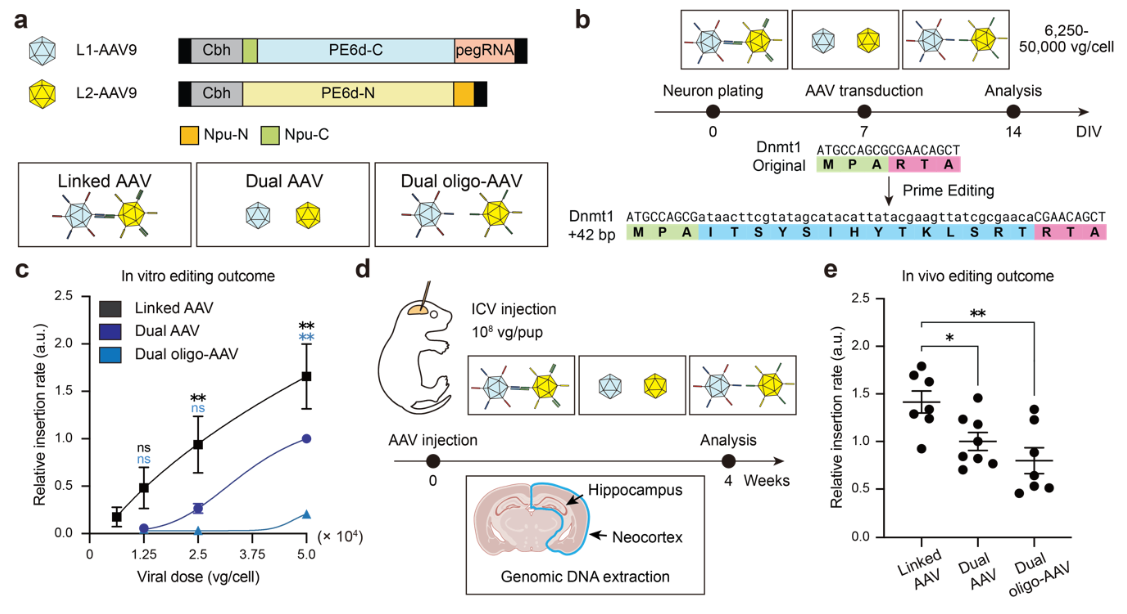
Figure 4. Improved prime editing via coordinated split gene delivery.
Conclusion
In this work, we developed a strategy for the controlled linking of nanoscale viral capsids, drawing on principles from nanomaterials engineering. Rather than relying on conventional solution-phase assembly, which often yields heterogeneous products, our approach confines the linking process to solid interfaces, enabling controlled multimer formation. Oligonucleotides serve as key linkers in this process, supporting precise, stepwise assembly of capsids on the surface, as well as efficient release and downstream purification. Under optimized conditions, this approach provides a scalable process that yields AAV dimers and trimers comprising ~70% of the final population, with high recyclability (≥93.0%) and short processing times (~24 h). By coupling viral particles prior to administration, AAV linking increases the probability of co-delivery into the same cell, thereby enhancing expression uniformity and co-transduction efficiency, and facilitating reconstitution of split genetic systems in vitro and in vivo.
For broader application of our AAV linking strategy, its compatibility with engineered AAV capsids designed for systemic delivery should be considered. In our pilot experiments with brain-tropism-enhanced variants (AAV.CAP-B10 and AAV9P31) and adult mice, oligonucleotide modification markedly reduced the brain tropism of CAP-B10, whereas 9P31 relatively retained detectable brain transduction after capsid modification. This difference likely reflects the sequence composition of the engineered motifs: the 9P31sequence inserted for brain tropism (WPTSYDA) lacks lysine residues for oligonucleotide tethering, whereas the inserted CAP-B10 sequences (DGAATKN, TLAVPFK) contains lysines. The absence of surface-exposed lysine residues within engineered receptor interaction motifs may therefore provide a guideline for identifying capsids compatible with the linking strategy.
Reference
Kim, Y., et al., Controlled linking of AAV capsids enables coordinated multi-vector deliver. Engineering, Medicine, 2026. bioRxiv.