
A framework for individualized splice-switching oligonucleotide therapy
May 22,2026
The 2023 Nature by Kim, J., et al. researches A framework for individualized splice-switching oligonucleotide therapy.
Introduction
Splice-switching antisense oligonucleotides (ASOs) could be used to treat a subset of individuals with genetic diseases, but the systematic identification of such individuals remains a challenge. Here we performed whole-genome sequencing analyses to characterize genetic variation in 235 individuals (from 209 families) with ataxia-telangiectasia, a severely debilitating and life-threatening recessive genetic disorder, yielding a complete molecular diagnosis in almost all individuals. We developed a predictive taxonomy to assess the amenability of each individual to splice-switching ASO intervention; 9% and 6% of the individuals had variants that were ‘probably’ or ‘possibly’ amenable to ASO splice modulation, respectively. Most amenable variants were in deep intronic regions that are inaccessible to exon-targeted sequencing. We developed ASOs that successfully rescued mis-splicing and ATM cellular signaling in patient fibroblasts for two recurrent variants. In a pilot clinical study, one of these ASOs was used to treat a child who had been diagnosed with ataxia-telangiectasia soon after birth, and showed good tolerability without serious adverse events for three years. Our study provides a framework for the prospective identification of individuals with genetic diseases who might benefit from a therapeutic approach involving splice-switching ASOs.
Finding Highlights
- Performed whole-genome sequencing analyses to characterize genetic variation in 235 individuals (from 209 families) with ataxia-telangiectasia, a severely debilitating and life-threatening recessive genetic disorder.
- Develop a predictive taxonomy to assess the amenability of each individual to splice-switching ASO intervention.
- Provide a framework for the prospective identification of individuals with genetic diseases who might benefit from a therapeutic approach involving splice-switching ASOs.
Key Results and Figure Interpretation
- Patients and diagnostic yield (Fig.1).
The ATCP cohort comprised de-identified phenotypic and genomic data from 235 individuals who were clinically or genetically diagnosed with A-T, from 209 families. Of these individuals, 46% were female (108/235) and the median age of clinical A-T diagnosis was 3.6 years (range 0–32; Extended Data Table 1 and Supplementary Table 1). The results of molecular genetic testing were available for only a small subset of individuals within the cohort (23%, 55/235), mostly from sequencing of ATM coding regions (Fig. 1a). At least 2 disease candidate ATM variants were identified in 232 out of 235 individuals (98.7%; Fig. 1a). We simulated the diagnostic yield of an exon-targeted sequencing approach if performed in lieu of WGS. Perfect coverage of all exonic variants ± 20 nucleotides from flanking regions would have established a molecular diagnosis in 207 of 235 individuals (a diagnostic yield of 88.1%, compared to 98.7% achieved with comprehensive WGS analyses; Fig. 1a,b).
We identified 469 disease candidate ATM mutational events in 235 patients. These comprised a total of 220 unique ATM variants, ranging from SNVs to short indels and SVs. A substantial fraction of these events (75%, 353/469) were predicted to confer strong loss of function, including frameshift variants (31%, 145/469), stop-gain or start-loss variants (22%, 104/469), splice-site-destroying variants and missense variants or short in-frame indels with previous experimental evidence of complete loss of ATM kinase activity (29/469, 6.2%; Fig. 1c). More than half of the individuals in this cohort (66%, 156/235) had two of these SDV events, which would be expected to lead to the classical A-T phenotype with a more severe prognosis. Indeed, individuals with 2 SDV events leading to ATM null status tended to have an earlier clinical diagnosis compared to individuals with other genotypes (79/235; P < 0.05, log-rank test), even after factoring out 13 patients with a known hylomorphic variant (c.5763-1050A>G, prevalent in the UK) as one of the pathogenic variants (Fig. 1d).
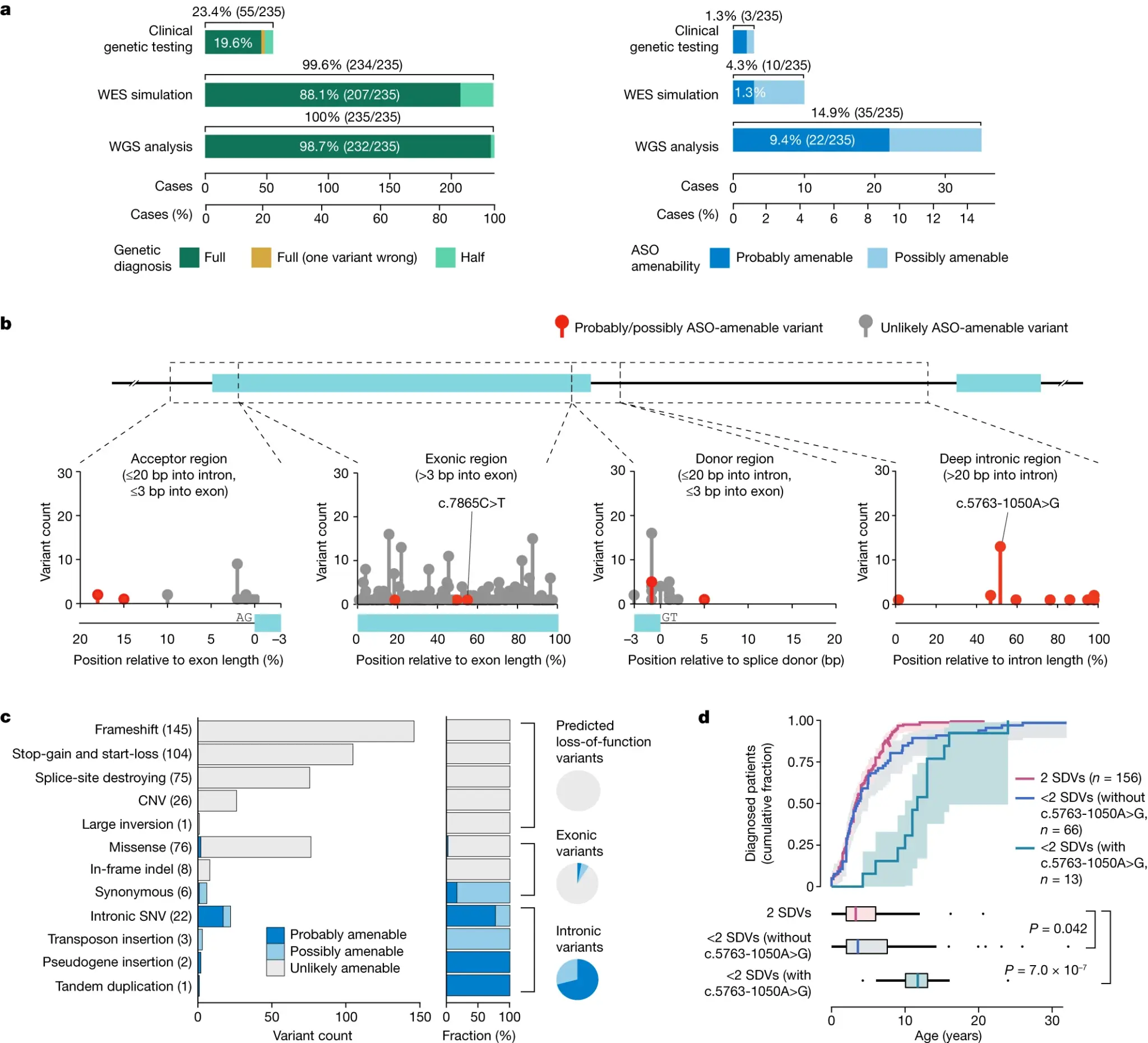
Figure 1. ATM disease candidate variants.
- ASO-amenable variants (Fig.2).
We developed a taxonomy to classify disease-causing variants on the basis of their predicted amenability to splice-switching ASO intervention, using categories of ‘probably’, ‘possibly’ or ‘unlikely’ (further details of the taxonomy are provided in Fig. 2).
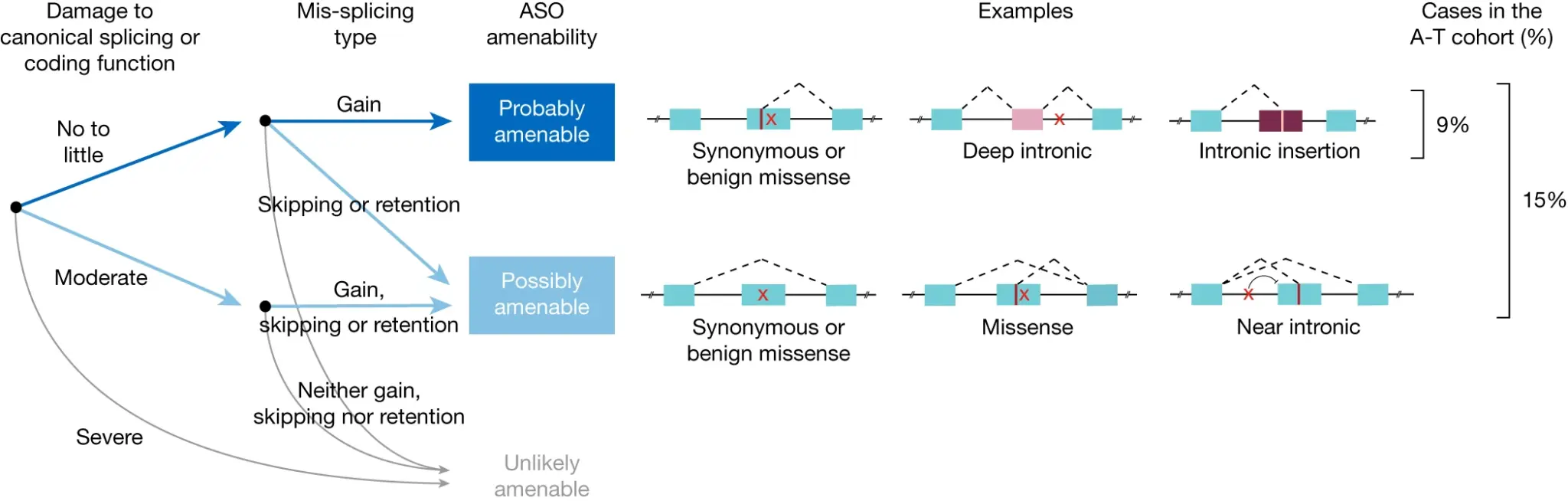
Figure 2. Taxonomy of ASO-amenable variants.
- Selection of variants for ASO development (Fig.3).
Two ASO-amenable ATM variants were selected for further development. The first was c.5763-1050A>G (Fig. 3). The variant, located deep in intron 38, results in the inclusion of a 137-bp pseudoexon, thereby causing a frameshift in the resulting mature product. The second variant was c.7865C>T (Fig. 3). This variant has been previously identified in the homozygous state in patients with classical (severe) A-T. c.7865C>T was encountered in one individual in the ATCP cohort (DDP_ATCP_520, currently 20 years old).
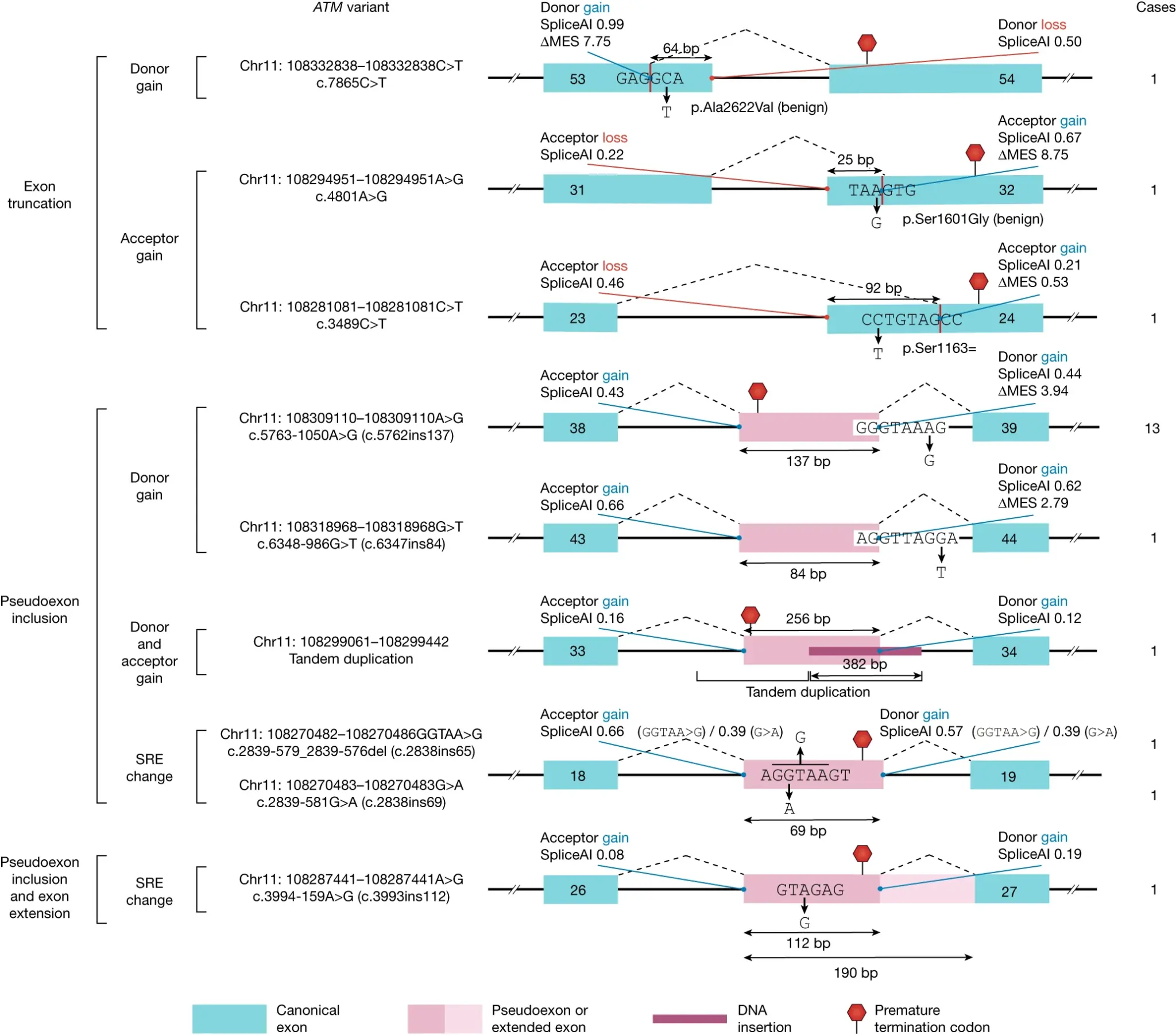
Figure 3. Probably ASO-amenable variants
- Validation of ASO amenability (Fig.4).
Furthermore, we conducted ASO screens for six probably ASO-amenable variants (two based on patient fibroblasts and four based on minigene assays), and successfully identified ASOs capable of correcting mis-splicing for all six (Fig. 4). For four probably ASO-amenable variants for which a minigene-based splicing assay is robustly established (2839-579_2839-576del (GGTAA>G) and 2839-581G>A; 6348-986G>T; 3994-159A>G), small-scale ASO screening was performed, which showed that the mis-splicing events caused by all tested variants can be rescued by ASOs.
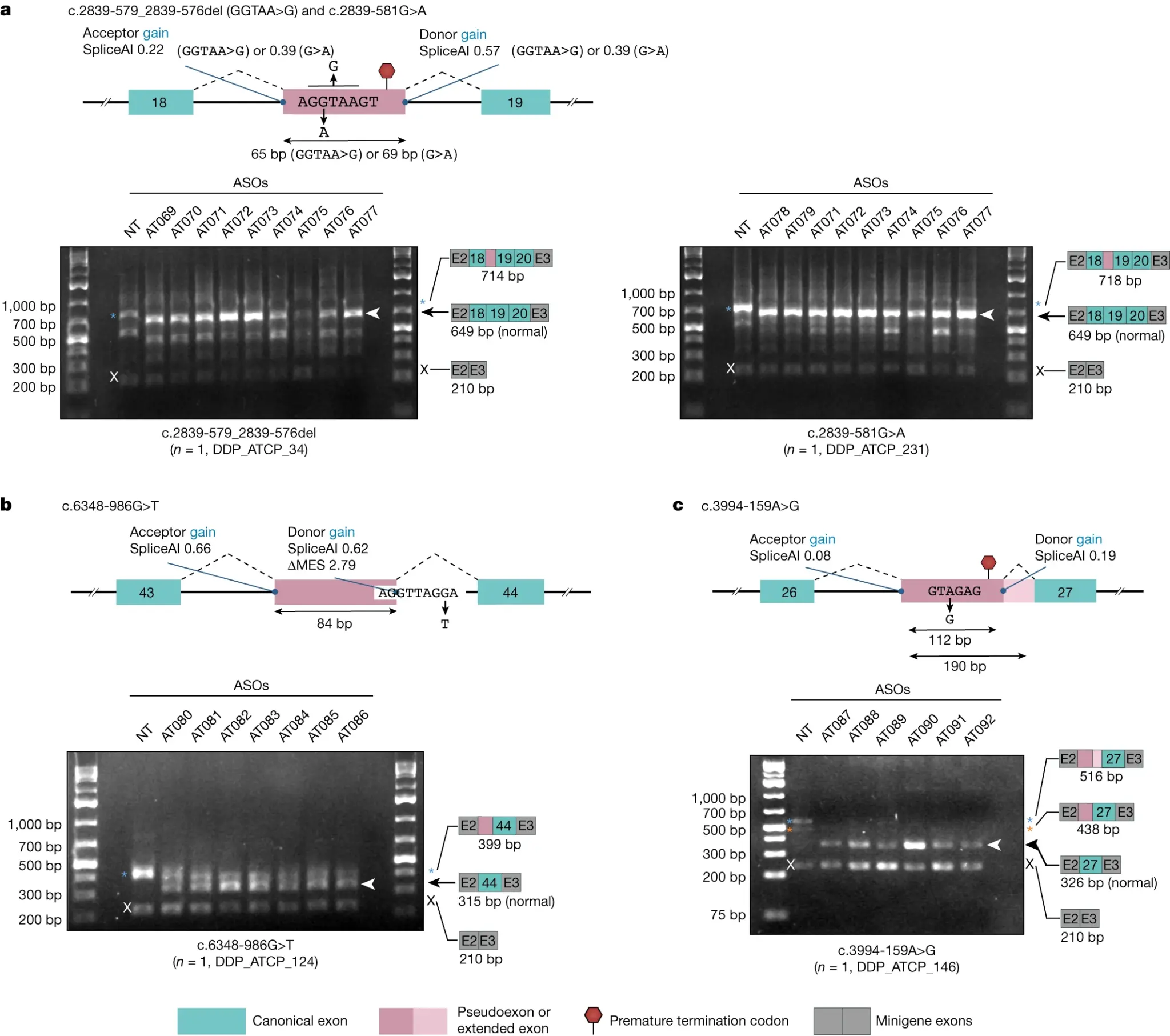
Figure 4. Validation of ASO amenability
- Correcting c.7865C>T (Fig.5).
A fibroblast cell line was established from the younger patient with c.7865C>T. To attempt to correct the mis-splicing, we designed an initial set of 12 ASOs, targeting either the novel splice donor site in the exon (AT001-AT011; Fig. 5a and Supplementary Table 13) or a nearby predicted splice regulatory element (AT012; Extended Data Fig. 7a). Several of these ASOs were effective in restoring normal splicing on allele-specific RT–PCR in patient fibroblasts (Supplementary Table 14), with two designs (AT007 and AT008) showing the most promise. Both ASOs were 22 nt long and were offset only by 3 nt, revealing an efficacy hotspot. A set of 20 additional ASOs was designed against this region and tested for the mis-splicing rescue in a secondary screen (Extended Data Fig. 7b), revealing additional ASOs with an efficacy similar to that of AT008.
Four ASOs (AT008, AT007, AT022 and AT026) were selected for further validation. To determine whether the ASOs could rescue ATM cellular function in addition to splicing, we studied their ability to restore cellular defense responses to radiation, as measured by phosphorylation of P53 and KAP1, two key downstream effectors in the ATM-mediated DNA damage response pathway32. Immunoblotting experiments using antibodies against phospho-P53 and phospho-KAP1 showed ASO-mediated rescue of radiation-induced ATM signaling in patient cell lines (Fig. 5b). Partial retention of ATM kinase activity has been shown to be associated with increased median age of diagnosis and age of death, and later onset of neurological symptoms. In particular, after ASO treatment, the levels of phospho-P53 and phospho-KAP1 exceeded those measured in fibroblasts bearing the hylomorphic c.5763- 1050A>G variant, supporting the potential clinical relevance of this rescue. AT008 (22 nt) and AT026 (20 nt) were selected for additional characterization. Both ASOs were capable of rescuing radiation-induced P53 and KAP1 activation by immunocytochemistry (Fig. 5c and Extended Data Fig. 8b), confirming the previous immunoblot. In vitro cellular toxicity assays showed that AT008 is as tolerable as a non-targeting control ASO.
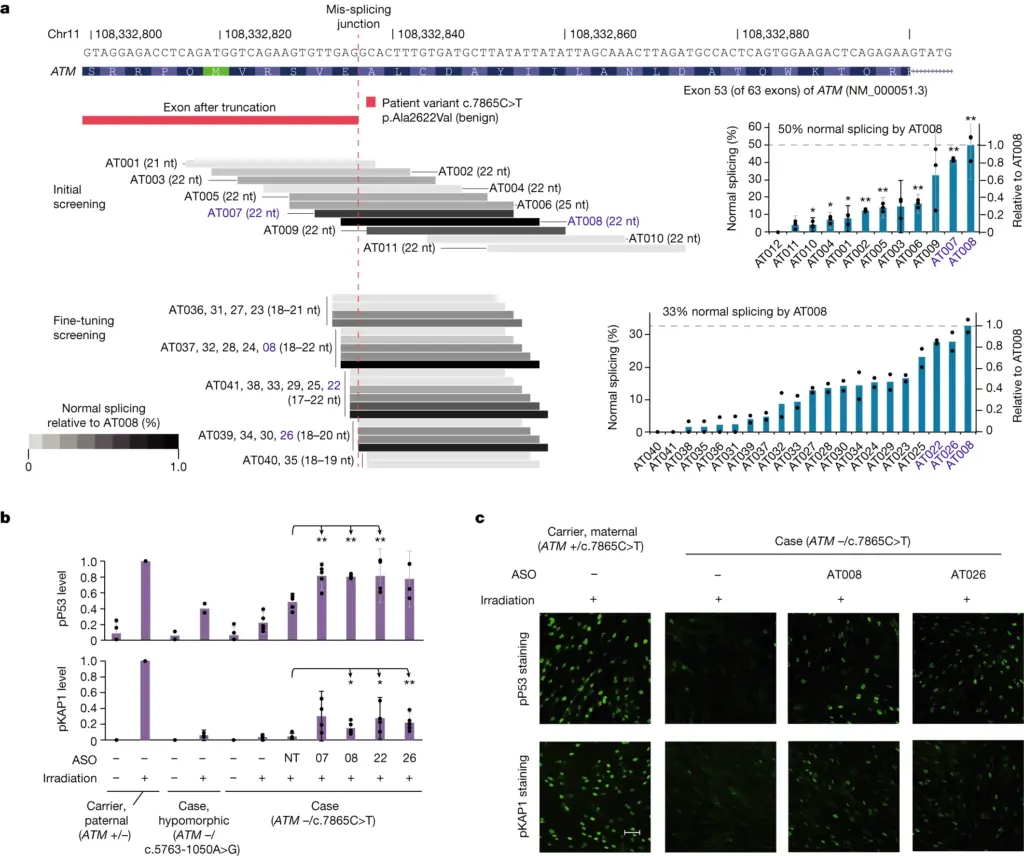
Figure 5. Preclinical development of AT008 (atipeksen)
Conclusion
Overall, our study provides a framework for how individualized genetic therapy might work, using genome sequencing and analysis to efficiently identify variants that might be amenable to splice-switching intervention, in time to design, test and deploy an appropriate ASO. If successful, these approaches could someday encourage a reevaluation of which genetic findings are considered ‘actionable’. However, it is worth emphasizing that this approach at present remains investigational, and contains uncertainty and risk that have to be weighed carefully in a clinical context. Key logistical, regulatory, economic and ethical considerations remain as well. Continued study of patient-customized ASO therapies in serious genetic illness, facilitated by this framework, will be important to gather the body of evidence necessary to support the viability of this approach.
Reference
Kim, J., et al., A framework for individualized splice-switching oligonucleotide therapy. Nature, 2023. 619(7971): p. 828-836.