
Advances in Covalently Closed-End AAV Vectors for Gene Therapy
Jan 30, 2026
Adeno-associated virus (AAV) is a non-enveloped virus with a ∼4.7-kb single-stranded linear DNA genome, which requires a helper virus for replication. AAV has emerged as a pivotal delivery tool in clinical gene therapy owing to its minimal pathogenicity and ability to establish long-term gene expression in different tissues.
However, producing a safe and effective AAV-based treatment presents key challenges. The formation of empty, partially loaded and overfilled capsids during the production of AAV vectors represents a major challenge, affecting both the immunogenic risk of the patient and the efficacy of the treatment. As the industry continues to advance, the number of clinical trials involving recombinant AAV vectors has dramatically risen, increasing the need for more effective manufacture and molecular design.
Bottlenecks in AAV genome configuration and transduction efficiency
Traditional AAV vector carries a single-stranded vector genome, which exists as both [+] and [-] polarities, each packaged into separate mature virions with equal frequency. Like all parvoviruses, the AAV genome is packaged as a linear ssDNA molecule with inverted terminal repeat (ITR) sequences forming dsDNA hairpin structures at each end. ITR sequence serve as origins of replication during productive infection and as priming sites for host–cell DNA polymerase to begin synthesis. Approximately 30 years ago, two independent groups, one led by Samulski and another by Wilson discovered that the conversion of single-stranded (ss) to ds DNA (dsDNA) following cellular entry of vector genomes is a major rate-limiting step for efficient transgene expression. Furthermore, failure to complete second-strand synthesis in a timely manner leads to the loss of single-stranded AAV (ssAAV) genomes. Limited transgene expression is the hallmark of these ssAAV vectors and higher vector doses in clinical is required to overcome this rate-limiting step during virus transduction process.
To address this limitation, self-complementary AAV (scAAV) vectors were developed, which enable them to skip the second-strand synthesis step and result in 5 to 140 fold more efficient transduction compared to conventional ssAAV vectors in vitro1. When the AAV DNA termini are covalently joined in the form of wild-type ITR, it can be resolved into an open duplex configuration at the specific TRS site to generate ssAAV. However, the yield of dimeric genomes in scAAV production can be increased dramatically by inhibiting resolution at one TR (Figure 1), which is readily accomplished by deleting the terminal resolution site sequence from one ITR, such that the Rep protein cannot generate the essential ssDNA nick.
This dimeric inverted repeat can then undergo normal rounds of replication from the two wildtype ITR ends. Each displaced daughter strand comprises a ssDNA inverted repeat with a complete ITR at each end and a mutated ITR in the middle. Packaging into the AAV capsid ensues from the 3′ end of the displaced strand. Additionally, there have been scAAV constructs in which a spurious Rep-nicking site is close enough to the mutated ITR to allow terminal resolution and generation of monomer genomes at a lower frequency2 and has the potential to generate ssAAV vector. The major challenge for preventing the resolution of the mITR is that this process occurs within the producer cells and is inherently uncontrollable.
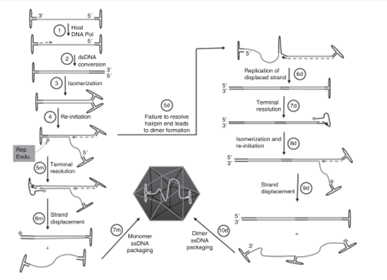
Figure 1 Adeno-associated virus (AAV) replication cycle and the formation of scAAV genomes
With this backdrop of scAAV, Gao’s group has also found that the incorporation of shRNA transgenes into rAAV constructs reduces vector yield and produces a population of truncated and defective genomes. As shown in Figure 2, scAAV vector containing hairpins or hairpin-like structures drives the generation of truncated AAV genomes through a polymerase redirection mechanism during viral genome replication, since template-switching events produce nonintact shRNA expression cassettes. These findings have revealed the importance of genomic secondary structure when optimizing viral vector designs for genome replication.
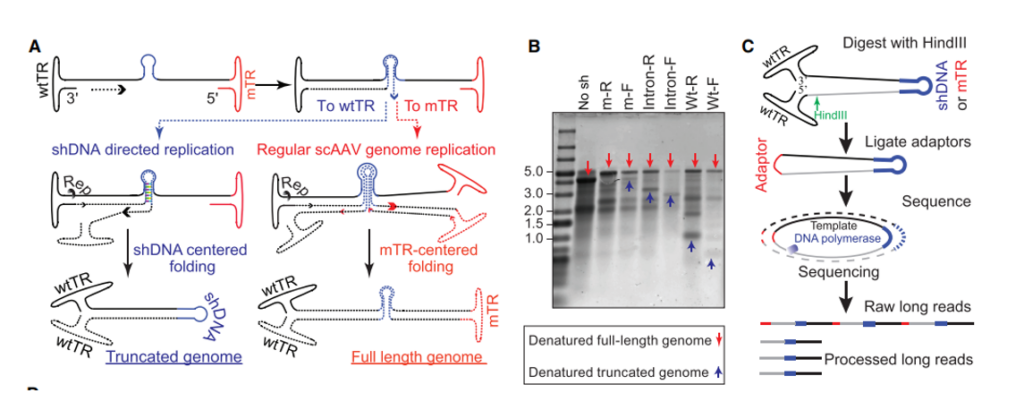
Figure 2 Short DNA hairpins compromise scAAV virus genome homogeneity by template switching
Covalently closed-end double-stranded AAV
To overcome this limitation of scAAV, we have replaced the mITR with a TelN recognition sequence (56 bp) to generate a new type of self-complementary vector called covalently closed-end double-stranded AAV (cceAAV) that eliminates the mITR resolution step during production. This 56-nt sequence is derived from the telomere of the dsDNA genome of Escherichia coli phage N15, which is inherently resistant to exonucleases and more resistant to cleavage than T-shaped hairpins.
The cceAAV vector replication process completely avoids mITR resolution, a challenge commonly encountered in conventional scAAV vector production. The obvious drawback of cceAAV production is the requirement for an additional step of enzymatic digestion before transfection. The generation of scAAV relies on a similar in vivo resolution step to form the dsDNA genome compatible for AAV replication and packaging, which has a varying efficiency1. Therefore, the cceAAV configuration could protect against undesired genome cleavage and minimize the generation of truncated vector genomes1 by leveraging the biological attribute of the telomere sequence (Figure 3).
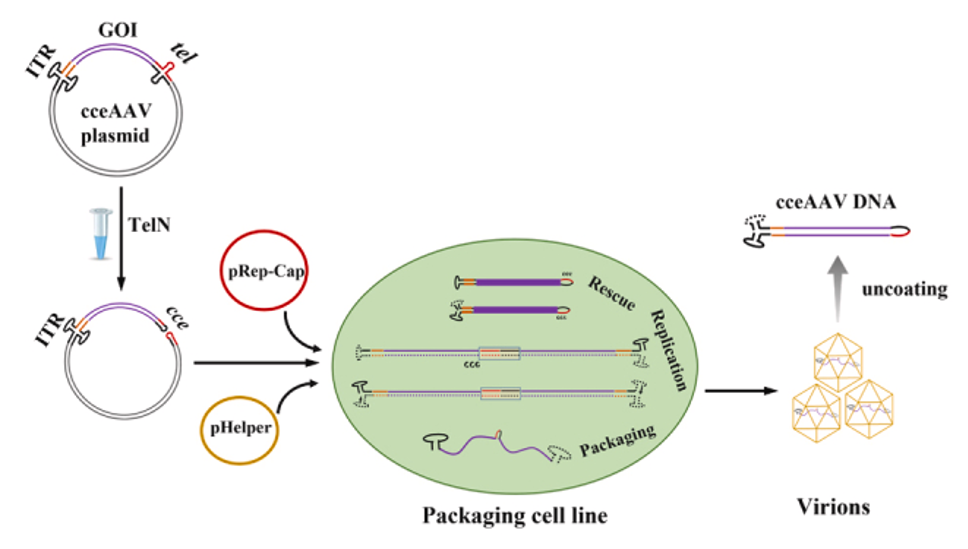
Figure 3 The packaging process of cceAAV1
Comparable yield of cceAAV vectors
To test the efficiency of cceAAV vector production, three scAAV vectors and the corresponding cceAAV vectors were produced in adherent HEK293 cells, purified by iodixanol gradient, and titrated by quantitative real-time PCR assay. Notably, vector yields were comparable between cceAAV and scAAV (Figure 4). These findings indicate that this new cceAAV platform possesses a vector production capability comparable to that of traditional scAAV vectors.
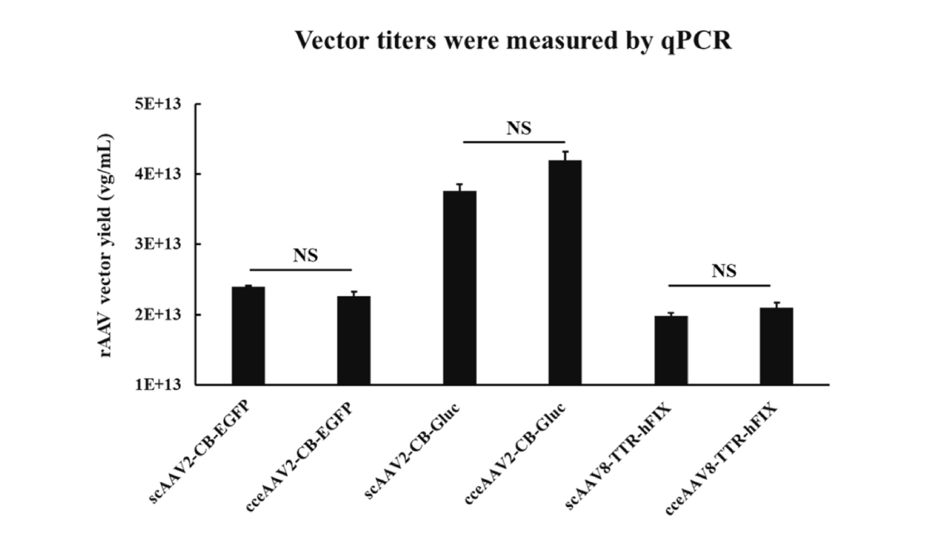
Figure 4 cceAAV production yields are comparable to scAAV vectors
Superior genome homogeneity of cceAAV vectors
Because the cce end contains 0 or 1 CpG (compared with the high CpG content(16 pairs) in the mITR), it could reduce the immune response induced by abundant CpG in gene therapy products. In addition, cceAAV vectors exhibit improved vector genome integrity, as shown in Figure 5, thus generating more homogeneous vector genomic DNA. These findings strongly suggest that cceAAV vectors have the potential to significantly reduce the generation of noncanonical genomes.
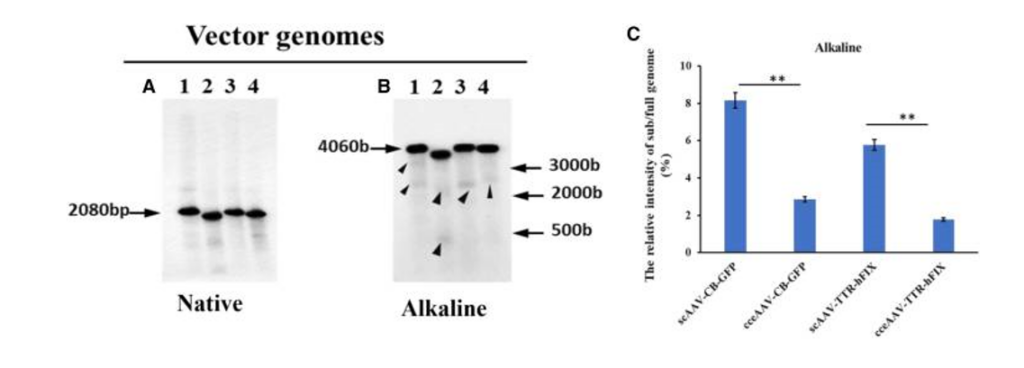
Figure 5 Superior genome homogeneity of cceAAV
Superior transduction and efficacy of cceAAV vectors
Owing to NKG’s innovative and proprietary technologies, this novel cceAAV vector can enhance transgene expression and increase efficacy in SMNΔ7 mice in vivo. Compared with Zolgensma, NKG001 achieved superior clinical outcomes increasing body weight and survival rates at lower dose levels (Figure 6).
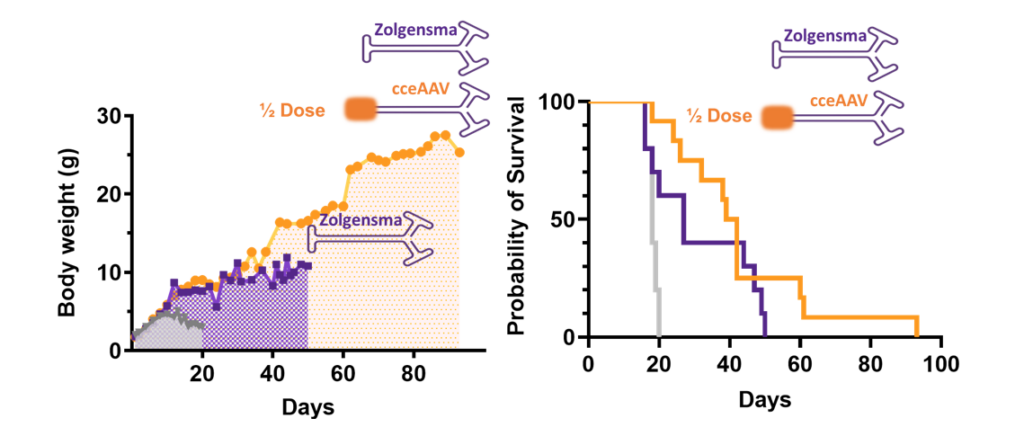
Figure 6 NKG001 achieved better efficacy at half of dose of Zolgensma in SMNΔ7 mice
Safety issue of Zolgensma
A single dose of 1.1×10¹⁴vector genomes per kg of intravenous Zolgensma was approved by the Food and Drug Administration (FDA) in May 2019, as a one-time treatment for patients under 2 years of age with spinal muscular atrophy. Zolgensma is based on a recombinant self-complementary AAV vector that include an AAV serotype 9 (AAV9) capsid, a functional SMN gene controlled by a cytomegalovirus enhancer/chicken-β-actin hybrid promoter, which make it possible to package a complementary stranded DNA into the AAV capsid, allowing for rapid expression of the transgene.
Clinical trials and real-world evidence indicate that treatment with Zolgensma improves motor function in children with SMA aged 24 months or younger, but acute liver dysfunction can sometimes be severe, requiring extended prednisolone treatment. Post-treatment blood work monitoring shows severe adverse effects include acute severe liver injury, acute liver failure, and elevated aminotransferases following Zolgensma administration. These risks are clearly highlighted in FDA prescribing information and subsequent clinical case reports, necessitating careful peri-infusion monitoring and management5.
Buddle et al4 conducted a case study of a child with spinal muscular atrophy type 1 experiencing substantial hepatitis after receiving Zolgensma with long and short-read metagenomic sequencing of liver tissue. They identifed manufacturing plasmid sequences with complex structures and recombination. Vector genomes had extensive disruption and con catemerization as well as numerous vector human fusion junctions. Future work is needed to determine the frequency and pathological consequences of complex DNA structures in patient liver cells after rAAV gene therapy and the putative role of contaminating plasmid sequences and their potential toxicity and/or immunogenicity.
New hope for SMA patient with cceAAV vector
Duan et al5 reported the first clinical trial of an SMA gene therapy using the cceAAV vector. Clinical trial in SMA patients via intravenous injection at 12-24 months of age revealed no treatment-associated severe adverse events with a dose ranging from 6 × 10¹³ vg/kg to 1.2 × 10¹⁴ vg/kg. Both patients showed rapid improvements in motor capabilities after gene therapy, as evidenced by substantial gains in motor function and electrophysiological parameters and capacity for independent mobility (Figure 7).
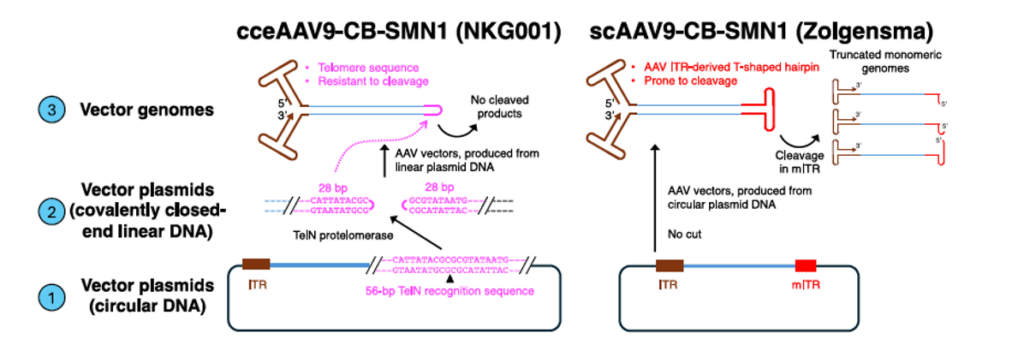
Figure 7 cceAAV9-CB-SMN1(NKG001) vs. scAAV9-CB-SMN1(Zolgensma) 2
Conclusion
At manufacturing scale, cceAAV vectors yield a higher proportion of complete functional genomes and improved product homogeneity, suggesting that cceAAV holds substantial potential to enhance therapeutic outcomes while simultaneously reducing production costs.
The first-in-human study of a clinical-grade cceAAV vector demonstrates its scalability in manufacturing and highlights its potential advantages over the traditional scAAV platforms, including enhanced potency and a more favorable safety profile. In the context of SMA gene therapy, cceAAV may represent a next-generation scAAV vector with a safer profile and broader applicability for SMA patients.
References
- Zhang, J.; Frabutt, D. A.; Chrzanowski, M.; Li, N.; Miller, L. M.; Tian, J.; Mulcrone, P. L.; Lam, A. K.; Draper, B. E.; Jarrold, M. F.; Herzog, R. W.; Xiao, W., A novel class of self-complementary AAV vectors with multiple advantages based on cceAAV lacking mutant ITR. Mol Ther Methods Clin Dev 2024, 32 (1), 101206.
- Nakai, H.; Finanger, E. L.; Samulski, R. J., New hope for older SMA patients with next-generation self-complementary AAV gene therapy. Mol Ther 2025, 33 (10), 4662-4664.
- Mercuri, E.; Sumner, C. J.; Muntoni, F.; Darras, B. T.; Finkel, R. S., Spinal muscular atrophy. Nat Rev Dis Primers 2022, 8 (1), 52.
- Buddle, S., et al., Contaminating plasmid sequences and disrupted vector genomes in the liver following adeno-associated virus gene therapy. Nat Med, 2026.
- Duan, H., et al., Gene therapy with covalently closed-end AAV vector for spinal muscular atrophy. Mol Ther, 2025. 33(10): p. 4848-4857.